Explore the captivating costumes & fashion of 18th-century France by Jacques Grasset de Saint-Sauveur (Labrousse). Admire his detailed engravings & paintings – a window to the past!
Откријте Лас Анђелес Каунти МУА – музеј у Лос Анђелесу који слави светску уметност и историју! Посетити га је лако и уживати у изузедним изложбама и архитектури.
Лас Анђелес Музеј, МУА Лас Анђелес Каунти, Уметност Лос Анђелеса, Европска Живопис, Азијана Уметност, Модерна Уметност, Савремена Уметност, Сити Лајт, Архитектура, Вилијам Перија, Брус Гоф, Ла Бре Тар Пицс
Лас Анђелес Каунти МУА
Седињс
Costumes de Différents Pays: A Window into Breton Tradition
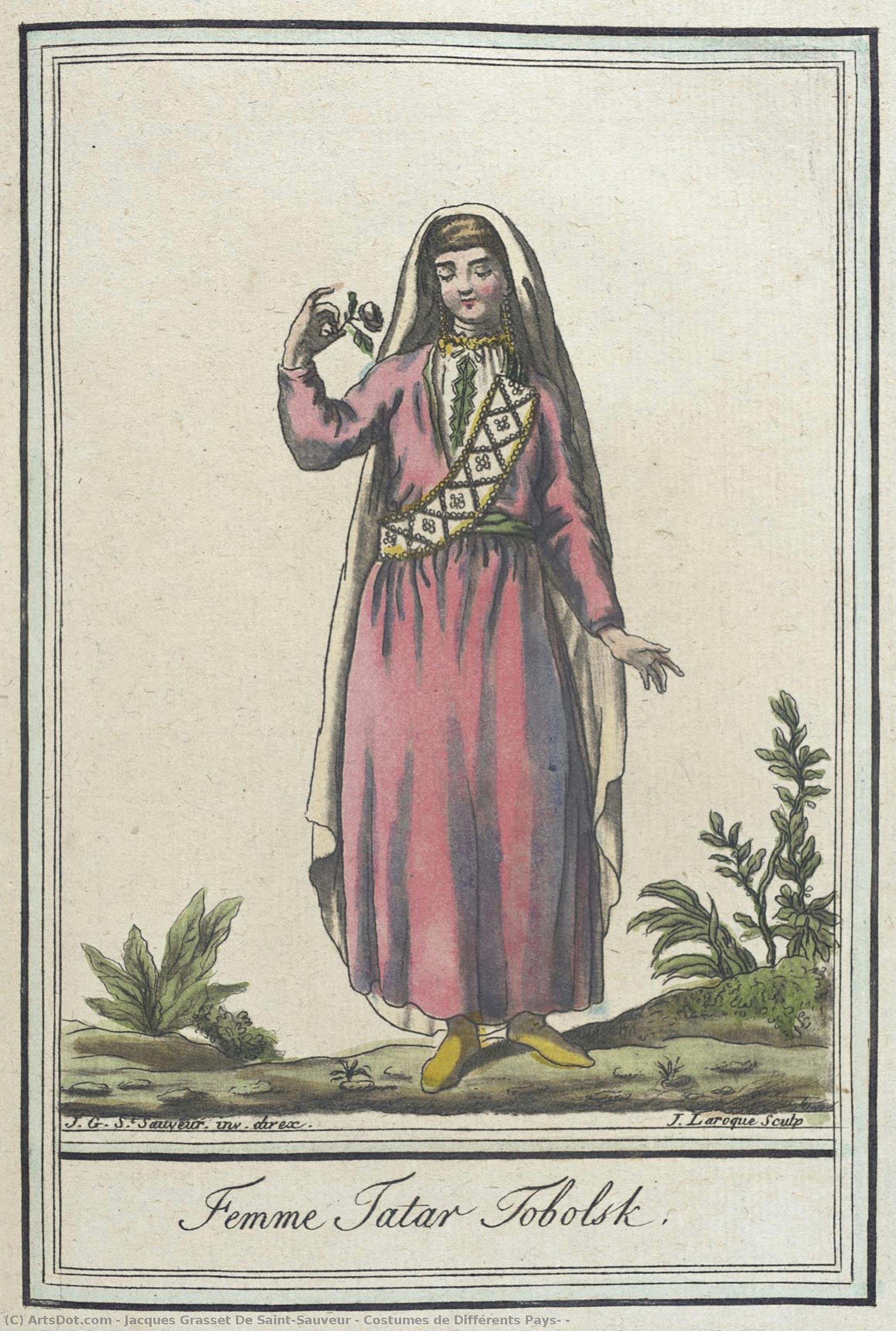
Jacques Grasset de Saint-Sauveur’s “Femme Tataro-Tatarik,” created in 1797, transcends mere visual representation; it's a tangible connection to the cultural heritage of Brittany. This engraving, measuring 26 x 20 cm and currently residing at the Los Angeles County Museum of Art, offers more than just an image—it presents a meticulously documented glimpse into the sartorial customs of Tatar women – specifically those inhabiting the Bigouden region.
- Subject Matter: The artwork focuses on a woman adorned in traditional Tatar costume. The depiction captures the distinctive headdress worn by women from this area, symbolizing identity and regional pride.
- Style & Technique: Saint-Sauveur’s engraving exemplifies Rococo artistic sensibilities, characterized by graceful lines and delicate shading—a hallmark of his era. His masterful use of etching ensures exceptional detail and tonal variation, faithfully reproducing the textures and colors of the costume.
Historical Context: The Bigouden Legacy
The Bigouden region itself holds a rich history rooted in Celtic traditions. As evidenced by Wikipedia’s exploration (Bigouden), the name “Bigouden” originates from the distinctive headdress worn by local women—a symbol of resilience and cultural continuity. By 1797, France was undergoing significant societal shifts following the French Revolution, yet artistic endeavors like Saint-Sauveur’s engraving continued to celebrate regional identities and customs.
- Social Significance: The image serves as a visual record of social practices prevalent in Brittany during the late 18th century.
- Cultural Representation: It reflects the artistic impulse to document and preserve cultural traditions amidst turbulent political times.
Symbolism & Emotional Impact
Beyond its technical prowess, “Femme Tataro-Tatarik” carries symbolic weight. The Tatar headdress represents not only individual identity but also the enduring spirit of Breton culture—a testament to traditions passed down through generations. Saint-Sauveur’s meticulous attention to detail invites contemplation on beauty, craftsmanship, and the preservation of cultural heritage.
- Color Palette: The muted tones employed contribute to an atmosphere of understated elegance and evoke a sense of timelessness.
- Composition: Careful positioning of the woman and her headdress emphasizes visual harmony and conveys respect for cultural traditions.
ArtsDot’s Reproduction Offer
At ArtsDot, we understand that owning a masterpiece is more than just acquiring an artwork; it's embracing its story—its history, its artistic inspiration, and its enduring emotional resonance. That’s why we offer high-quality reproductions of “Femme Tataro-Tatarik,” allowing you to bring this captivating piece into your home or workspace.