Žan-Batist Kamil Korote (1796-1875), francuski slikar pejzaža, preteča impresionizma! Očaravajući tonovi i atmosferski pejzaži poput 'Mira' i 'Čitačice' oslikavaju njegovu umetničku viziju i uticaj na moderne slikare.
Louvre
(Paris, France)
Otkrijte bezvremenske remek-dela Louvra! Putujte kroz istoriju umetnosti od drevnog Egipta do renesansnih ikona – Mona Liza, Venere Miloska i još mnogo toga. Pariško kulturno blago čeka na vas!
A) Kraljevskom dvorcem isključivo za Luja XIV.
B
Prema datom tekstu, šta je bila prvobitna svrha palate Louvre?
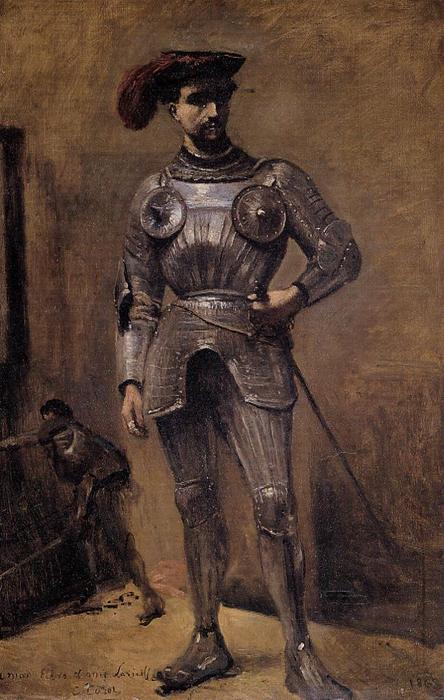
A Moment Frozen in Time: Exploring Jean Baptiste Camille Corot’s “The Knight”
Jean Baptiste Camille Corot's "The Knight," painted in 1868, transcends mere depiction; it embodies the very spirit of Impressionism while simultaneously anchoring itself firmly within Romantic tradition. Housed prominently at the Musée du Louvre in Paris, this oil on canvas masterpiece invites contemplation and rewards repeated viewing with its subtle nuances of light and texture—a testament to Corot’s unparalleled ability to capture the essence of a landscape infused with human presence.
The Artist's Vision: Impressionistic Calm Amidst Medieval Drama
Corot (1796-1875), born into a Parisian family accustomed to artistic patronage, embarked on an unconventional path after his childhood spent in rural Normandy fostered an enduring fascination with the natural world. Unlike many of his contemporaries who sought grand vistas and dramatic sunsets, Corot prioritized capturing fleeting atmospheric conditions—the diffused glow of dawn or dusk—a hallmark of Impressionism. Yet, “The Knight” isn’t simply a landscape study; it's imbued with a palpable sense of history and narrative. The knight himself – a figure rendered in muted tones – stands serenely amidst rolling hills, embodying a quiet dignity that contrasts sharply with the turbulent energies of Romantic art. This juxtaposition speaks to Corot’s profound understanding of human psychology and his desire to portray emotion through understated visual cues.
Technique and Texture: Corot's Featherlight Brushstrokes
Corot’s distinctive technique is immediately apparent upon observation. He eschewed bold, assertive brushstrokes favored by artists like Eugène Delacroix, opting instead for delicate, feathery strokes that blend seamlessly together. These subtle movements create an illusion of depth and luminosity—a masterful manipulation of pigment and varnish—allowing light to dance across the canvas surface. The artist meticulously layered thin glazes of color upon each other, building up tonal variations with painstaking precision. This technique lends “The Knight” a remarkable softness and ethereal quality, mirroring the hazy atmosphere characteristic of Corot’s landscapes. Notice how the artist skillfully renders the texture of the earth—the rough grasses and undulating hills—creating an immersive experience for the viewer.
Symbolism Within Simplicity: The Knight as Embodiment of Virtue
Beyond its aesthetic beauty, “The Knight” carries symbolic weight. Traditionally, knights represented chivalry, honor, and courage – virtues considered paramount in the Romantic era. Corot’s depiction of the knight isn't overtly heroic; he is presented with a quiet contemplation that suggests inner strength rather than outward bravado. The sword at his side serves as a reminder of duty and responsibility, yet it also underscores the vulnerability inherent in human existence. Furthermore, the landscape itself symbolizes permanence and resilience—a counterpoint to the fleeting nature of human life. Corot’s deliberate choice of muted colors reinforces this thematic resonance, conveying a sense of solemn beauty and timeless contemplation.
A Legacy Enduring Through Reproduction: Bringing Corot's Vision Home
Today, ArtsDot offers meticulously crafted oil painting reproductions of “The Knight,” allowing art lovers everywhere to experience the profound artistry of Jean Baptiste Camille Corot firsthand. These reproductions faithfully recreate the original’s luminous palette and textural subtleties, ensuring that this iconic artwork continues to inspire generations to come. Consider incorporating a reproduction into your interior design—a subtle nod to artistic heritage and a celebration of enduring beauty.