Johan Heinrich Füssli (Fuseli) – majstor romantizma i nadrealnog slikarstva. Autor čuvenog 'Paklenog sna', inspirisao Blakea i fascinirao publiku dramatičnim scenama iz Šekspira i Miltona. Otkrijte njegov mračni, inovativni svet!
Louvre
(Paris, France)
Otkrijte bezvremenske remek-dela Louvra! Putujte kroz istoriju umetnosti od drevnog Egipta do renesansnih ikona – Mona Liza, Venere Miloska i još mnogo toga. Pariško kulturno blago čeka na vas!
A) Kraljevskom dvorcem isključivo za Luja XIV.
B
Prema datom tekstu, šta je bila prvobitna svrha palate Louvre?
Lady Macbeth: A Gothic Descent Into Guilt
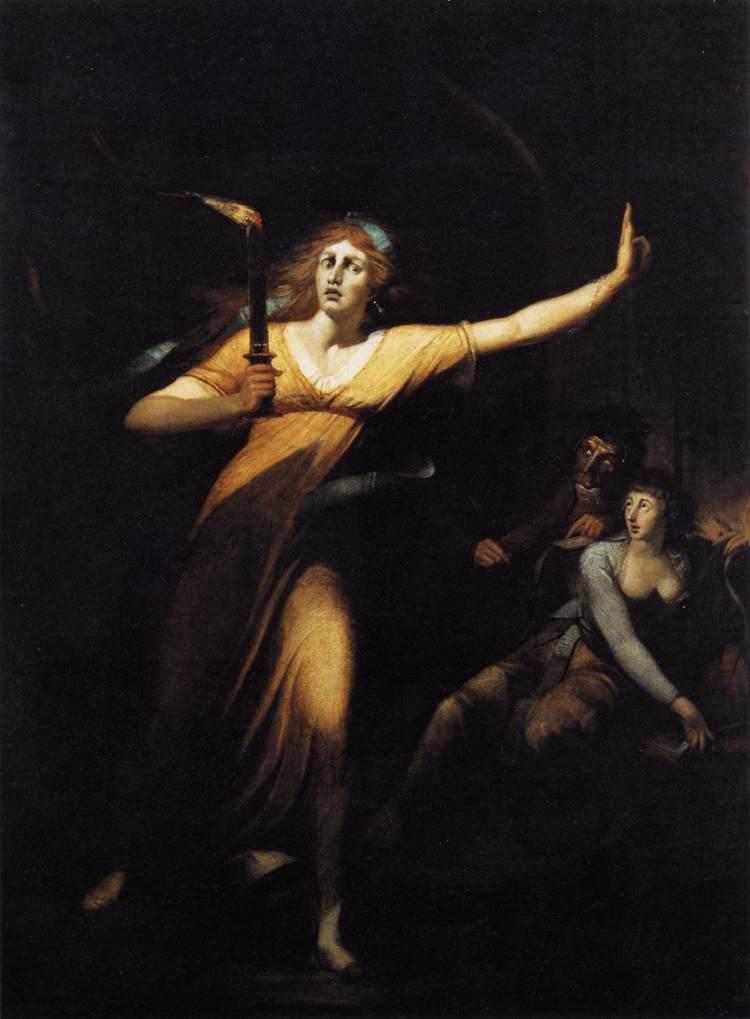
Henry Fuseli’s “Lady Macbeth” is more than just a portrait; it's a visceral embodiment of Romanticism’s preoccupation with psychological torment and the unsettling exploration of human darkness. Painted in 1784, this monumental oil on canvas (221 x 160 cm), currently residing in the Louvre Museum, captures a pivotal scene from Shakespeare’s Macbeth—Lady Macbeth sleepwalking as she desperately attempts to cleanse her hands of the blood of Duncan. Fuseli brilliantly utilizes chiaroscuro – a masterful manipulation of light and shadow – to amplify the drama and instill a palpable sense of unease within the viewer's gaze.
- Historical Context: The painting emerged during the height of Romanticism, reacting against the rigid formalism of Neoclassical art and prioritizing emotion and imagination above reason. Fuseli’s work directly responded to Shakespeare’s exploration of ambition, guilt, and moral corruption.
- Style & Technique: Fuseli's style leans heavily into Gothic Romanticism, characterized by dramatic compositions, grotesque imagery, and a fascination with the supernatural. He employs meticulous brushwork, creating textured surfaces that convey both physicality and psychological depth. The muted palette—dominated by blues and greys—further underscores the painting’s somber mood.
Symbolism: Guilt, Madness & The Stain of Evil
The central figure embodies Lady Macbeth's tormented psyche; her sleepwalking is a manifestation of her overwhelming guilt over Duncan’s murder and her descent into madness.
The bloodstained hands symbolize the indelible mark of evil upon Lady Macbeth’s soul—a visual representation of her internal struggle.
The surrounding servants and doctor serve as witnesses to this psychological drama, highlighting the isolation and horror of Lady Macbeth's experience.
Emotional Impact: A Portrait of Psychological Horror
Fuseli’s masterful use of light and shadow creates a chilling atmosphere that compels the viewer to confront uncomfortable truths about human nature.
The painting evokes feelings of dread, vulnerability, and despair—a testament to Fuseli's ability to translate psychological turmoil into visual form.
Connections & Influences
Fuseli’s artistic vision was influenced by the French Academic Art Movement but decisively pushed beyond its conventions. He drew inspiration from Shakespeare’s Macbeth, mirroring its exploration of moral ambiguity and psychological complexity.
Like William Blake, Fuseli prioritized emotional expression over realistic representation, cementing his place as a pioneer of Romantic art.
For those seeking to experience the haunting beauty of “Lady Macbeth,” ArtsDot.com offers exceptional reproductions that faithfully capture the painting’s dramatic intensity and artistic brilliance.