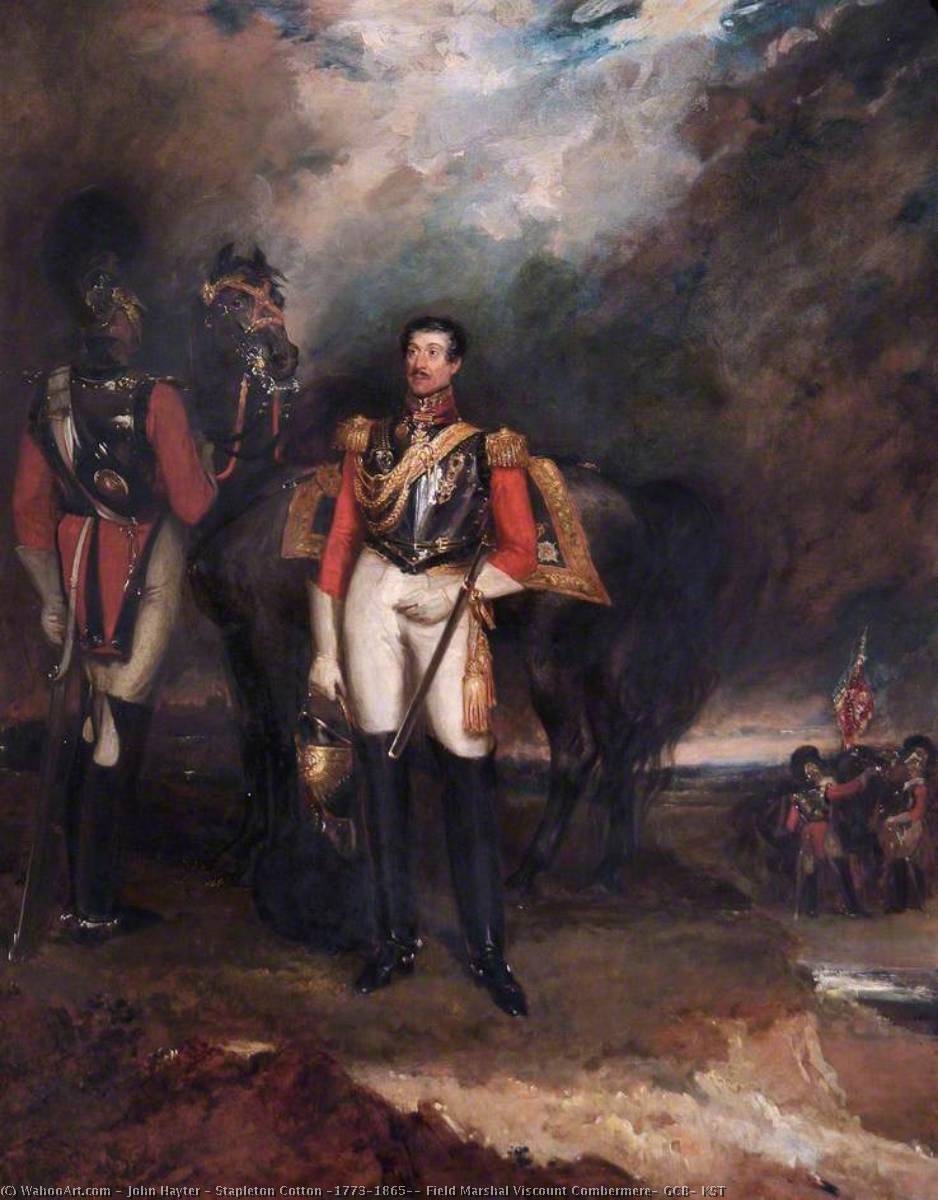
Admire John Hayter's striking portrait of Stapleton Cotton, Field Marshal Viscount Combermere, a pivotal figure in British military history. This detailed painting captures his commanding presence and distinguished status.
John Hayter RA (1800-1895): Explore portraits by Queen Victoria's Painter-in-Ordinary. Discover aristocratic depictions, delicate chalk drawings & historical Victorian art.
А Тапатреи оф Тиме: Експлореинг Енглесхс Херитхе
Степ ин то а релм где северити шепи фром ведерд стеонс анд вибрант тапетрис уфолд кросс ландсејпс степд ин легенд. Енглеска Херитџу исант мерели прецесион колекцион оф биллидингс; итс а профунд јурни тох те нарратив оф енглеск сефс, мителицли пресервед анд пассионатли пресентед. Фром инпозинг рампартс оф Довер Кастла, гардинг те чаннел ф
A Portrait of Command: Stapleton Cotton by John Hayter
The canvas before you presents more than just a likeness; it’s a carefully constructed tableau of power, duty, and the weight of empire – a portrait of Field Marshal Stapleton Cotton, painted in 1839 by the esteemed John Hayter. This is not merely a depiction of a man; it's an embodiment of Victorian Britain’s military ethos, rendered with meticulous detail and imbued with a subtle yet profound sense of authority. Hayter, Painter-in-Ordinary to Queen Victoria, possessed a rare ability to capture not just physical appearance but also the very essence of his subjects – a skill evident in Cotton’s commanding presence and the dignified bearing he projects. The painting immediately draws the eye to Cotton's figure, standing tall and resolute against a subtly rendered background, suggesting both strength and an unwavering commitment to service.
The Man and His Times
Stapleton Cotton was a pivotal figure in 19th-century British military history. Rising through the ranks during the Napoleonic Wars and continuing his distinguished career throughout the expansion of the Empire, he served with distinction in campaigns across Europe, India, and Africa. He commanded cavalry brigades with remarkable success, earning him numerous accolades and ultimately achieving the rank of Field Marshal – a position of immense responsibility and prestige. The portrait itself reflects this elevated status; Cotton is depicted in full military regalia, signifying his leadership role and highlighting his service to the Crown. The backdrop, hinting at a formal setting within an estate or government building, further reinforces his position as a man of considerable influence and authority. It’s important to note that 1839 was a period of significant social and political change in Britain – the aftermath of the Napoleonic Wars, the rise of industrialization, and the ongoing expansion of the Empire all shaped the artistic sensibilities of the time. Hayter's work exemplifies this by presenting a portrait that is both celebratory of military achievement and subtly indicative of the broader societal values of the era.
Technique and Style: A Masterclass in Portraiture
Hayter’s technique is characterized by an extraordinary level of realism combined with a masterful understanding of light and shadow. He employed a meticulous approach, utilizing chalk drawings as preliminary sketches to establish proportions and tonal values before committing them to oil paint. This layering process allowed for incredible detail – observe the texture of Cotton's uniform, the subtle creases in his clothing, and the intricate patterns on his sword hilt. The artist’s use of chiaroscuro—the dramatic contrast between light and dark—creates a sense of depth and volume, emphasizing Cotton’s physical presence and projecting an aura of strength and gravitas. Furthermore, Hayter's skill lies in capturing not just the outward appearance but also the inner character of his subject. Cotton’s gaze is direct and unwavering, conveying a sense of self-assurance and quiet dignity. The slight furrow of his brow suggests contemplation and strategic thinking – qualities essential for a military leader.
Symbolism and Emotional Resonance
Beyond its technical brilliance, the portrait is rich in symbolic meaning. The horses flanking Cotton represent power, loyalty, and the formidable force of the British army. Their posture mirrors his own, reinforcing the idea of shared command and mutual respect. The inclusion of the cup suggests a moment of reflection or perhaps a celebratory toast – hinting at the rewards associated with military service. More subtly, the composition itself—Cotton centered within the frame—underscores his importance and authority. The painting evokes a complex range of emotions: admiration for Cotton’s achievements, respect for his dedication to duty, and a sense of the grandeur and ambition that defined Victorian Britain. It's a portrait that invites contemplation, prompting viewers to consider not only the life of Stapleton Cotton but also the broader historical context in which he lived and served.
A Timeless Masterpiece: Reproductions and Legacy
Today, John Hayter’s portrait of Stapleton Cotton stands as a testament to his artistic skill and a valuable window into Victorian society. High-quality reproductions offer an accessible way to appreciate this remarkable work of art, bringing its details and emotional resonance to a wider audience. Whether displayed in a private collection or incorporated into a stately home's interior design, this painting continues to captivate viewers with its compelling narrative and enduring beauty. It’s a piece that speaks volumes about leadership, honor, and the legacy of an extraordinary military figure.