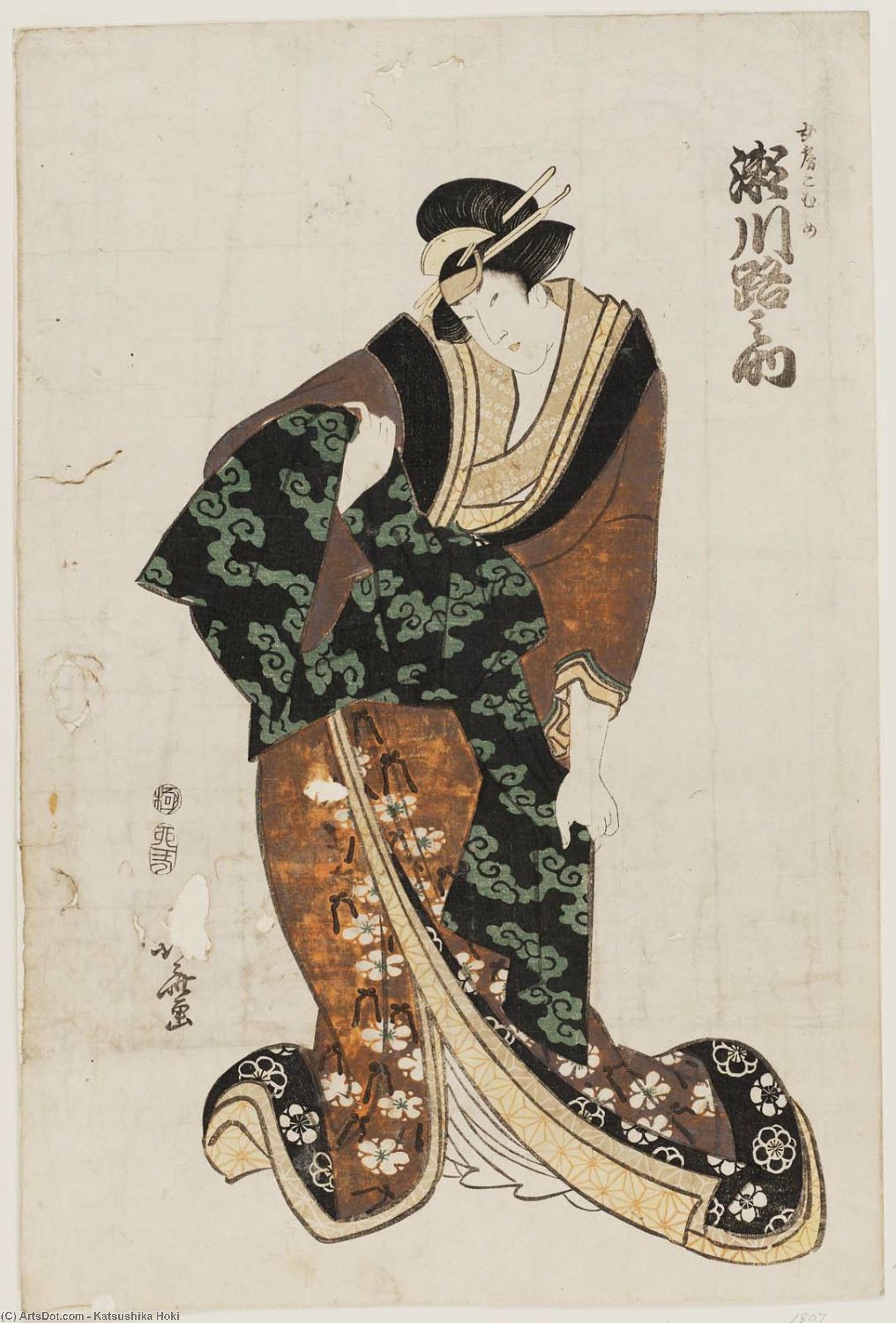
Katsushika Hokusai: The Soul of Mount Fuji
Katsushika Hokusai (葛飾 北斎; c. 31 October 1760 – 10 May 1849), universally recognized as Hokusai, transcends the boundaries of mere printmaker; he embodies the very essence of Edo-period Japanese art and is indelibly linked to one of its most iconic images: *The Great Wave off Kanagawa*. More than just a visual spectacle, this monumental series represents a profound exploration of nature’s power, artistic innovation, and a pivotal moment in Japan's cultural engagement with Western influences.
- A Life Etched in Ink: Born into humble circumstances as the son of a mirror maker, Hokusai’s journey toward artistic mastery was marked by relentless dedication. From his earliest drawings at age six to his prolific output spanning nearly nine decades, he pursued excellence with unwavering fervor—a pursuit that cemented his legacy as Japan's foremost artist.
- Early Influences & Training: His father recognized and nurtured this innate talent, providing him with foundational skills that would propel him toward mastering the techniques of woodblock printing. Notably, Hokusai apprenticed under Katsukawa Shunshō, a leading figure in Edo’s kabuki theater world, absorbing stylistic conventions crucial to his subsequent artistic development.
- The Birth of Thirty-Six Views: The impetus for Hokusai's magnum opus—the breathtaking *Thirty-Six Views of Mount Fuji*—was twofold: a burgeoning fascination with Japan’s mountainous landscape and a desire to respond to the growing popularity of scenic excursions amongst the populace. This ambitious project wasn’t merely about depicting a mountain; it was about capturing its multifaceted character, reflecting changing seasons and conveying an emotional resonance that continues to captivate audiences today.
The Great Wave: Among these views, *The Great Wave off Kanagawa* stands alone as arguably the most recognizable image in Japanese art history—and indeed, globally. Executed with masterful precision using Prussian blue pigment (a revolutionary import from Europe), Hokusai’s print captures a moment of sublime terror and beauty. The towering wave dominates the composition, dwarfing the tiny boats struggling against its force, symbolizing both the overwhelming power of nature and humanity's vulnerability in confronting it.
- Technique & Innovation: Hokusai’s artistic brilliance lay not only in his compositional vision but also in his unparalleled mastery of woodblock printing techniques. He employed a complex layering process—known as *bokashi*—to achieve astonishing tonal gradations and textural nuances, creating an illusion of depth that defied conventional printmaking standards.
- Symbolism & Emotion: Beyond its visual grandeur, *The Great Wave* resonates with profound symbolic meaning. The wave itself represents chaos and upheaval, mirroring anxieties about societal instability during the Tokugawa era. Yet, simultaneously, it embodies resilience—the determination of sailors to persevere despite facing insurmountable odds—a theme that speaks to the human spirit’s capacity for courage and perseverance.
- Influence Beyond Japan: Hokusai's work profoundly impacted European artists like Vincent van Gogh and Claude Monet during Japonisme—the fervent embrace of Japanese aesthetics in Western art circles. His bold use of color, flattened perspective, and expressive brushstrokes served as inspiration for a generation of painters seeking to capture the spirit of Eastern landscapes and traditions.
Hokusai’s legacy extends far beyond his artistic achievements; he represents a cornerstone of Japanese cultural heritage—a testament to creativity, perseverance, and an enduring fascination with the natural world. *The Great Wave off Kanagawa*, more than just a print, remains a timeless symbol of beauty, terror, and the sublime power of observation.