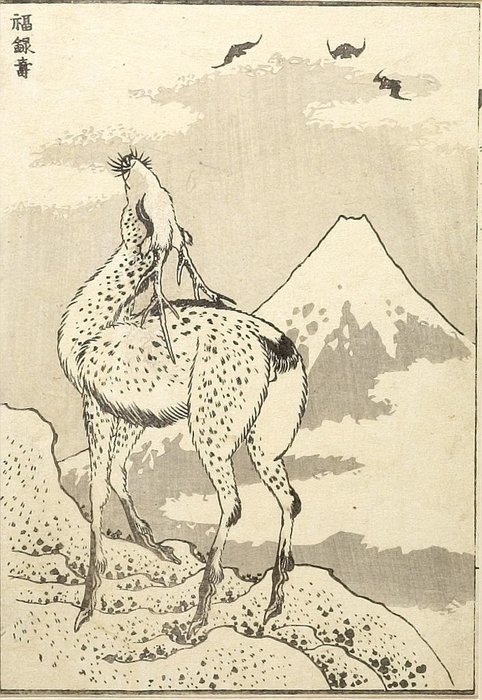
Фурукокуджу: Икона японског сликарства Хокусаја! Дивљи живопис и богато симболично представљење бога мудрости и просперитета у стилу Укијо-е, инспирисано западним културом.
Katsushika Hokusai био је јапански укијо-е сликар и гравур који је оставио траг у светској уметности уз значајне делије као што су „Велики талас преко Канагаве“ и тридесет шест погледа на Фуџи. Јего стил се одликује смелом линијом и бојом, а утицао је на импресионистичку школу и данашњу уметност.
A Vision of Harmony: Decoding Katsushika Hokusai’s “Fukurokuju”
Katsushika Hokusai, a name synonymous with Japanese art and the unforgettable image of *The Great Wave*, transcends mere printmaking; he embodies the spirit of Edo-period Japan and revolutionized visual storytelling. Born in Tokyo around 1760, his artistic journey wasn’t one dictated by privilege but fueled by an unwavering dedication—a relentless pursuit of perfection that would solidify his place as arguably Japan's greatest artist. His father, Nakajima Ise, recognizing this innate talent, provided a crucial foundation for Hokusai’s extraordinary career, shaping him into the visionary he became. This early exposure to artistic pursuits instilled in him a lifelong fascination with observation and meticulous detail—qualities that would permeate his oeuvre.
The artwork itself presents Fukurokuju, the God of Wisdom and Prosperity, depicted majestically atop a giraffe – an arresting juxtaposition designed to provoke contemplation and capture the imagination. Executed in the Ukiyo-e style—characterized by bold outlines and vibrant colors achieved through woodblock printing—the piece exemplifies Hokusai’s mastery of perspective and tonal gradation. Notice how he skillfully utilizes hatching and shading to convey depth and texture, particularly evident in the giraffe's fur and the lush foliage surrounding him. This technique wasn’t merely decorative; it was integral to conveying a sense of realism within the fantastical setting—a hallmark of Hokusai’s artistic approach.
Produced during the Edo Period (1603-1868), “Fukurokuju” speaks to a time of profound societal change in Japan, mirroring the burgeoning interest in encountering new cultures and ideas across Europe. The inclusion of an animal from Africa—a symbol of nobility and aspiration—reflects this intellectual curiosity and foreshadows the influence of Impressionism and Western art movements decades later. Beyond its formal artistry, however, lies a deeper resonance.
The giraffe itself carries considerable symbolic weight. Traditionally associated with nobility, grace, and longevity, it represents aspiration and elevated status – qualities Hokusai wished to imbue in his subject. Furthermore, the birds circling above symbolize freedom, enlightenment, and divine blessing—reinforcing Fukurokuju’s role as a protector of wisdom and success. The careful arrangement of these elements contributes to the painting's overall harmonious composition; it’s a deliberate effort to convey balance and serenity – themes central to Zen Buddhist philosophy.
Symbolism: Consider the profound emotional impact of “Fukurokuju.” Hokusai’s masterful use of color—primarily blues and greens—creates an atmosphere of tranquility, inviting contemplation. The dynamic pose of the giraffe and the birds adds movement to the scene, capturing a fleeting moment of beauty and conveying optimism. It's a piece that speaks to the human desire for balance, prosperity, and connection with the natural world – themes that continue to inspire artists and designers today.
For collectors seeking an authentic experience, consider commissioning a Giclée print on archival paper—ensuring your reproduction retains the vibrancy of Hokusai’s original pigments for generations to come. In interior design, “Fukurokuju”'s calming palette lends itself beautifully to spaces aiming for sophistication and serenity – pairing it with ivory or pale gold would amplify its visual impact. This iconic masterpiece remains a testament to Hokusai’s unparalleled artistic vision—a timeless symbol of harmony and enlightenment.