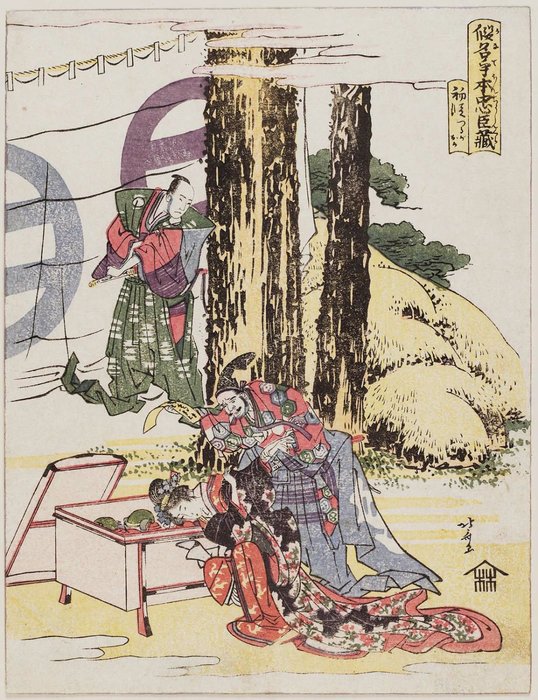
Уживајте у репродукцији канадског великана Хокусаија! Икона Јужног мора и пейзажа, Тсуругаока представља сцену из домаћинства са дрвећем ван прозора. Познати по Великом таласу, овај комад уметности је идеалан за вашу домску декорацију.
Katsushika Hokusai био је јапански укијо-е сликар и гравур који је оставио траг у светској уметности уз значајне делије као што су „Велики талас преко Канагаве“ и тридесет шест погледа на Фуџи. Јего стил се одликује смелом линијом и бојом, а утицао је на импресионистичку школу и данашњу уметност.
A Window into Edo Life: Decoding Katsushika Hokusai’s “Tsurugaoka”
Katsushika Hokusai, a name that resonates with the very soul of Japanese art—particularly immortalized in *The Great Wave off Kanagawa*—was an artist whose genius extended far beyond the iconic seascape. Born around 1760 in Edo (modern Tokyo), his artistic journey wasn’t merely about mastering brushstrokes; it was a relentless pursuit of understanding and capturing the essence of his era, transforming him into one of Japan's most influential visual thinkers. His father, Nakajima Ise, though not himself an artist, recognized Hokusai’s innate talent—a gift he nurtured with unwavering dedication—laying the groundwork for a career that would redefine ukiyo-e and leave an indelible mark on Western art history. This formative upbringing instilled in him a profound appreciation for observation and detail, qualities that would become hallmarks of his distinctive style.
The Painting’s Composition: A Study in Tranquility Amidst Change
“Tsurugaoka” depicts a serene interior scene bathed in dappled sunlight filtering through the branches of trees outside a window—a motif frequently employed by Hokusai to convey both beauty and contemplation. The composition centers around several figures engaged in everyday activities: men standing attentively, others seated or reclining comfortably. Notably prominent is a man wielding a sword, suggesting an underlying tension – perhaps representing preparedness for conflict or symbolizing vigilance against external threats. This juxtaposition of stillness and potential action speaks volumes about the anxieties and aspirations of Edo society during Hokusai’s lifetime. The inclusion of two dogs adds another layer of visual interest, their positioning subtly reinforcing the sense of domestic tranquility despite the implied presence of danger.
Technique and Material: Mastery of Woodblock Printing
As with virtually all of Hokusai's celebrated works, “Tsurugaoka” is executed in the traditional ukiyo-e technique—woodblock printing. This painstaking process involved carving intricate designs onto wooden blocks, applying ink to these blocks, and transferring the image onto paper using dampened sheets. The resulting prints are characterized by exceptional detail achieved through multiple impressions of the block, creating subtle tonal variations that heighten the visual impact. Hokusai’s masterful control over color—primarily muted blues and greens—further enhances the painting's atmosphere, mirroring the natural hues of the surrounding landscape and conveying a feeling of profound peace. The use of Prussian blue pigment, imported from Europe during this period, represents a significant innovation in Japanese art and underscores Hokusai’s openness to new artistic influences.
Symbolism: Reflections of Edo Ideals
The depiction of the dining table and bowls within the room is laden with symbolic significance. These objects represent sustenance—both physical and spiritual—and underscore the importance of family life and social harmony in Edo culture. The presence of trees outside the window symbolizes longevity, resilience, and connection to nature – values deeply ingrained in Japanese aesthetics. Furthermore, the sword’s posture hints at samurai ideals of honor and duty, reflecting the warrior class's influence on societal norms during Hokusai’s era. Ultimately, “Tsurugaoka” serves as a poignant reminder of Japan’s artistic heritage and its enduring fascination with capturing fleeting moments of beauty amidst the complexities of human experience.
Emotional Resonance: A Legacy of Quiet Observation
“Tsurugaoka” transcends mere representation; it invites contemplation. Hokusai's ability to convey emotion through subtle visual cues—the gaze of the figures, the arrangement of objects—demonstrates his profound understanding of human psychology. The painting’s tranquil setting encourages viewers to pause and appreciate the beauty of the natural world while simultaneously prompting reflection on themes of vigilance and inner peace. Like many of Hokusai's masterpieces, “Tsurugaoka” continues to inspire artists and collectors alike, cementing its place as a cornerstone of Japanese art history and a testament to the enduring power of observation—a skill that defined Hokusai’s extraordinary artistic vision.