Otkrijte Leonarda da Vincija (1452-1519): Renesansni genije iza Mone Lize i Poslednje večere! Istražite njegovu tehniku sfumato, studije anatomije i revolucionarne izume.
Louvre
(Paris, France)
Otkrijte bezvremenske remek-dela Louvra! Putujte kroz istoriju umetnosti od drevnog Egipta do renesansnih ikona – Mona Liza, Venere Miloska i još mnogo toga. Pariško kulturno blago čeka na vas!
A) Kraljevskom dvorcem isključivo za Luja XIV.
B
Prema datom tekstu, šta je bila prvobitna svrha palate Louvre?
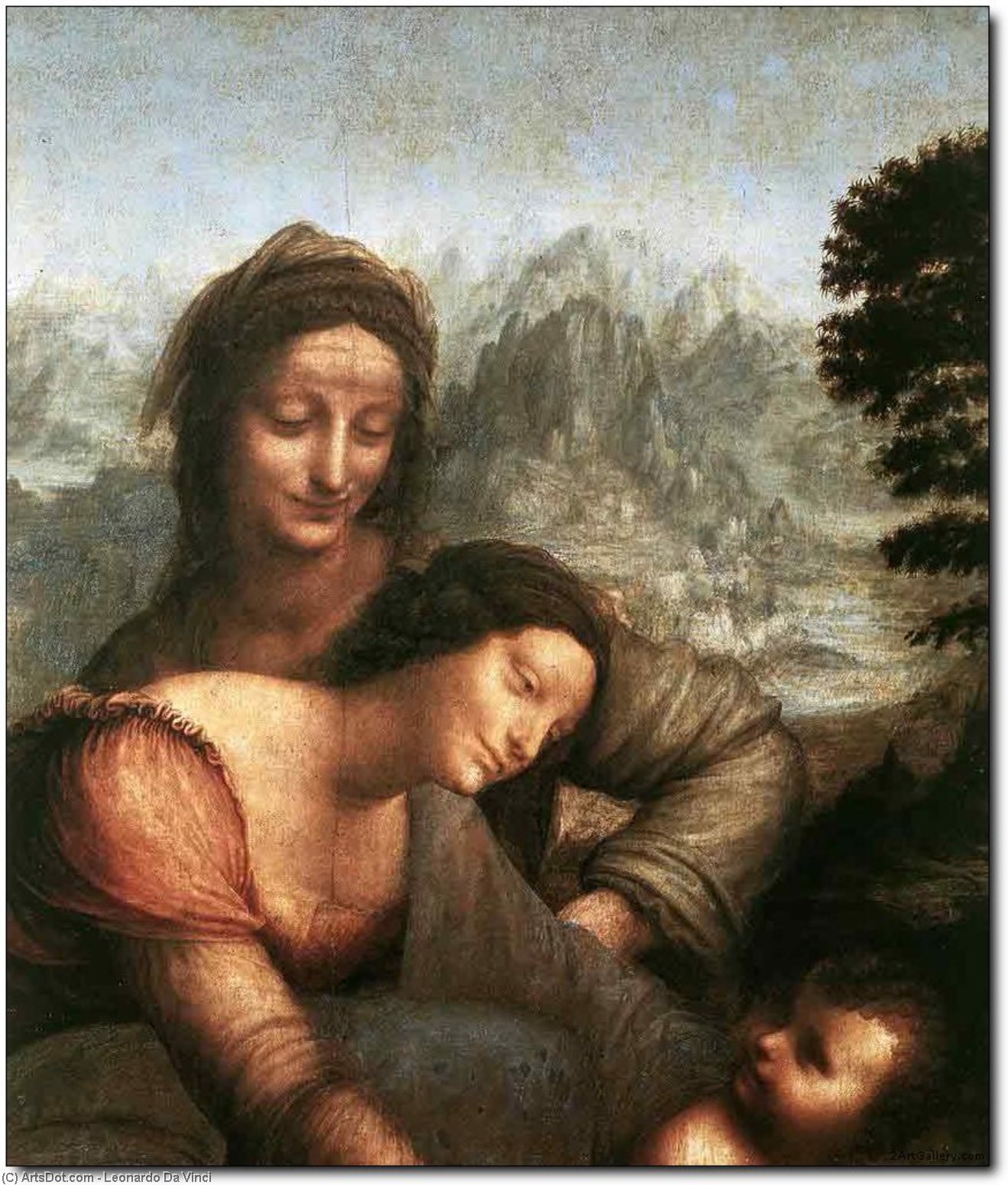
The Virgin and Child with Saint Anne: A Symphony of Light and Maternal Grace
Leonardo da Vinci’s “The Virgin and Child with Saint Anne” stands as a cornerstone of High Renaissance art, embodying the era's pursuit of idealized beauty and profound spiritual contemplation. More than just a depiction of biblical figures—Mary, Jesus Christ, and Saint Anne—the painting is an exquisitely crafted meditation on motherhood, faith, and divine harmony, achieved through Da Vinci’s unparalleled mastery of sfumato and meticulous observation of nature.
- Subject Matter: The composition centers around the Virgin Mary cradling her infant son Jesus, accompanied by Saint Anne, Mary's mother, who stands beside them. This intimate tableau captures a moment of serene familial devotion, reflecting Christian iconography prevalent during Da Vinci’s time.
- Style & Technique: Da Vinci employed sfumato—a revolutionary technique characterized by subtle gradations of tone and color—to create an ethereal atmosphere that softens contours and imbues the figures with an otherworldly luminescence. This masterful blending of pigments achieves remarkable depth and volume, drawing viewers into the scene’s tranquil embrace.
- Historical Context: Commissioned shortly after Saint Anne's birth in 1499 by King Louis XII of France—though tragically never delivered—the painting reflects the humanist ideals flourishing at the time. Da Vinci meticulously documented his process through sketches and studies, including a detailed drawing of a horse’s head reminiscent of earlier equine sketches, demonstrating his dedication to scientific accuracy alongside artistic expression.
The painting's symbolism resonates deeply with Christian beliefs. Mary embodies purity and compassion, Jesus represents divine grace and redemption, while Saint Anne symbolizes the continuity of faith across generations. The mountainous backdrop serves as a visual metaphor for stability and permanence, grounding the figures in a timeless landscape.
Da Vinci’s artistic vision transcends mere representation; he strives to evoke emotion and inspire contemplation. The soft lighting and delicate modeling contribute to an atmosphere of profound peace—a testament to Da Vinci's ability to capture not only visual beauty but also the essence of human experience. “The Virgin and Child with Saint Anne” continues to captivate audiences centuries later, securing its place as one of the most celebrated artworks in Western art history.