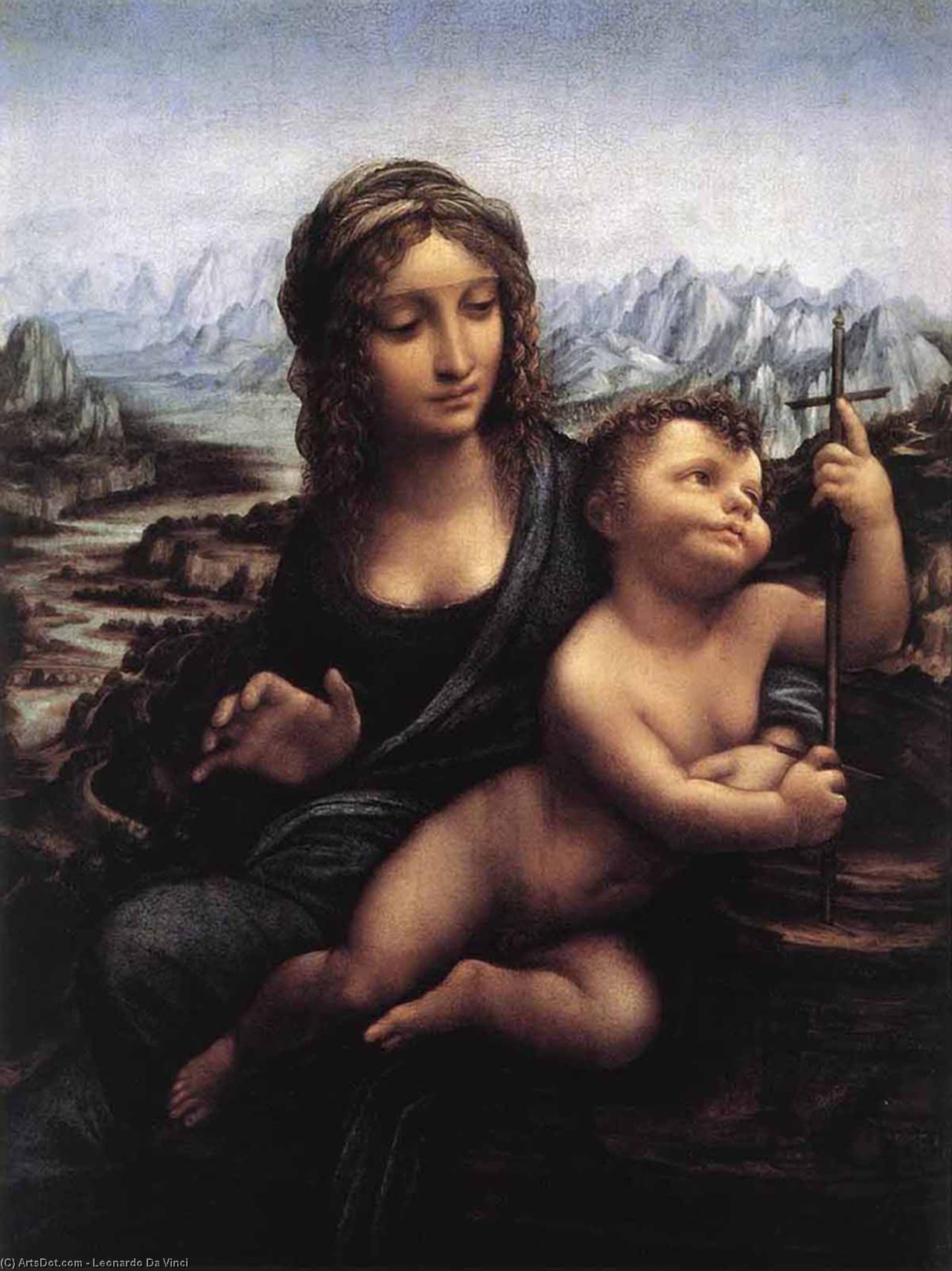
A Glimpse into Leonardo’s Genius: The Madonna with the Yarnwinder
Leonardo da Vinci's Madonna with the Yarnwinder isn’t merely a depiction of the Virgin Mary and Child; it’s a profound meditation on motherhood, faith, and the quiet rhythms of domestic life. Completed in the early 16th century, this painting transcends its seemingly simple subject matter to reveal layers of symbolism and technical brilliance that have captivated art historians for centuries. It exists as one of several versions of the same theme – alongside the iconic Buccleuch Madonna and the equally compelling Lansdowne Madonna – each offering subtle variations on this eternally resonant image. The painting’s genesis, commissioned by Florimond Robertet, a French secretary to King Louis XII, hints at its intended presentation within the opulent courts of Europe, yet it remained unfinished in Leonardo's hand, a testament to his restless intellect and boundless curiosity.

The scene unfolds within a serene, almost dreamlike landscape – a carefully constructed backdrop of rolling hills and distant mountains. At the heart of this composition sits Mary, her gaze fixed intently on a niddy-noddy, a device used to collect spun yarn. This seemingly mundane object is far from accidental; it’s a deliberate symbol, subtly foreshadowing the Cross upon which Christ will be crucified. The infant Jesus, nestled in his mother's arms, mirrors her attention, suggesting an early awareness of his destiny. Leonardo masterfully employs *sfumato*, that characteristic hazy effect he perfected, to soften the edges and create a sense of ethereal beauty, blurring the lines between reality and dream.
The Art of Technique: Oil on Panel Mastery
Leonardo’s choice of oil paint on panel is crucial to understanding the painting's enduring quality. This medium allowed him to build up layers of color with incredible subtlety and precision, capturing the nuances of light and shadow that define his style. The rich, vibrant hues – particularly in Mary’s robes – are achieved through meticulous blending and glazing techniques. Notice the delicate rendering of the fabric, the subtle modeling of the figures' forms, and the atmospheric perspective creating a sense of depth within the landscape. This level of detail speaks to Leonardo’s relentless pursuit of anatomical accuracy and his profound understanding of human form, informed by his extensive studies of anatomy.
Furthermore, the painting demonstrates Leonardo’s innovative approach to panel construction. He meticulously prepared the wood panel with multiple layers of gesso, creating a smooth, even surface ideal for receiving the delicate washes of oil paint. This careful preparation ensured that the pigments adhered properly and resisted cracking over time – contributing significantly to the work's longevity.
A Legacy of Symbolism and Influence
The Madonna with the Yarnwinder isn’t simply a portrait; it’s a complex allegory. Mary’s domesticity, symbolized by the yarnwinder, contrasts subtly with her divine role as Mother of God. This juxtaposition invites contemplation on the balance between earthly responsibilities and spiritual devotion. The painting profoundly influenced subsequent generations of artists, particularly Raphael and Andrea del Sarto, who drew inspiration from Leonardo's innovative composition and masterful use of light and shadow. The dynamic arrangement of figures, the evocative symbolism, and the overall emotional resonance established a new standard for depictions of the Madonna and Child.
Provenance and Historical Context
Throughout its history, the painting has been cherished within prestigious collections, including the Buccleuch Collection and featured in the “Treasure Houses of Britain” documentary series. Its journey through time reflects the evolving tastes and values of European aristocracy. The fact that it was once part of the Buccleuch collection – a family renowned for their patronage of the arts – underscores its historical significance and artistic merit. Today, reproductions like those offered by ArtsDot.com allow art lovers worldwide to experience the beauty and depth of this extraordinary masterpiece.