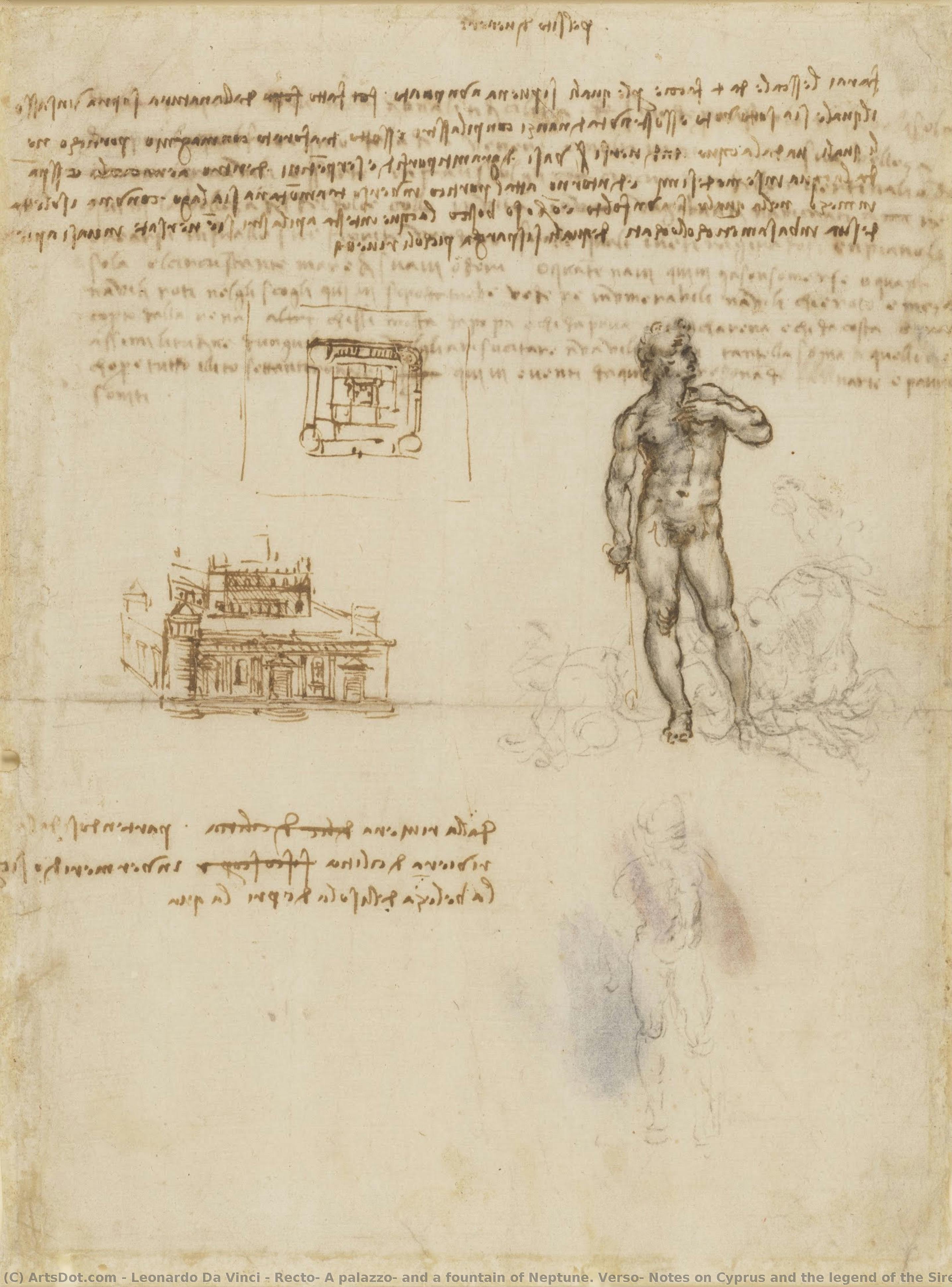
Otkrijte pripremnu skicu Leonarda da Vinčija iz 1508. godine sa arhitektonskim studijama, anatomskim detaljima i beleškama. Retko renesansno remek-delo koje spaja umetnost, nauku i inženjerstvo, idealno za kolekcionare.
Otkrijte Leonarda da Vincija (1452-1519): Renesansni genije iza Mone Lize i Poslednje večere! Istražite njegovu tehniku sfumato, studije anatomije i revolucionarne izume.
Otkrijte vekovnu priču britanske monarhije kroz veličanstvenu Kraljevsku kolekciju! Upoznajte remek-dela Leonarda da Vinčija, Mikelanđela i drugih u 13 kraljevskih rezidencija.
Unveiling the Genius of Leonardo da Vinci
This extraordinary preparatory sketch by Leonardo da Vinci captures the essence of the Renaissance’s boundless curiosity and artistic mastery. Created in 1508, this work exemplifies da Vinci’s unparalleled ability to blend scientific inquiry with artistic expression. The drawing offers a rare glimpse into the mind of one of history’s greatest polymaths, inviting viewers into a world where architecture, anatomy, and natural phenomena converge in a harmonious exploration of form and function.
A Rich Tapestry of Subject and Style
The artwork features a detailed anatomical study of a muscular male nude figure, rendered with meticulous precision and a keen understanding of human physiology. Complemented by architectural sketches and conceptual notes, the piece embodies da Vinci’s interdisciplinary approach, seamlessly integrating art, science, and engineering. The informal, exploratory style of the drawing reflects da Vinci’s characteristic notebook sketches—dynamic, spontaneous, yet profoundly insightful—designed to serve as a foundation for larger masterpieces or innovative inventions.
Technique and Artistic Mastery
Executed with sepia and grayish ink, the drawing showcases da Vinci’s mastery of line work, shading, and perspective. Fine hatching and bold contours create a vivid sense of depth and volume, bringing the anatomical forms to life with a three-dimensional realism. The architectural sketches demonstrate precise linear perspective, emphasizing spatial depth and proportion. This technical finesse not only reveals da Vinci’s scientific rigor but also his artistic sensitivity to light, shadow, and texture.
Historical Context and Symbolism
Produced during the height of the Italian Renaissance, this sketch embodies the era’s ideals of harmony, proportion, and the unity of knowledge. The detailed notes, written in da Vinci’s characteristic mirror script, reflect his relentless pursuit of understanding the natural world. Symbolically, the muscular figure may represent the Renaissance ideal of human beauty and strength, while the architectural elements symbolize the harmony between human achievement and natural laws—a testament to da Vinci’s belief in the interconnectedness of all disciplines.
Emotional Impact and Artistic Inspiration
This work evokes a sense of wonder and intellectual curiosity, inspiring viewers to appreciate the depth of da Vinci’s genius. Its raw, exploratory nature invites contemplation and admiration for the artist’s relentless quest for knowledge. Whether displayed in a private collection or an elegant interior, this sketch serves as a powerful reminder of the enduring human spirit of discovery and creativity.
A Unique Addition for Art Lovers and Collectors
Perfect for connoisseurs, interior designers, and those seeking a meaningful centerpiece, this high-quality reproduction captures the essence of Leonardo da Vinci’s visionary mind. Its timeless appeal and profound symbolism make it an exceptional investment in art history and a captivating focal point that elevates any space with its historical significance and artistic brilliance.