Discover Lodovico Mazzolino’s devotional cabinet pictures – a unique blend of primitivism & classicism. Explore his captivating works from the Renaissance era.
Otkrijte evropsku umetnost u Muzeju lepih umetnosti u Budimpešti! Istražite egipatske blaga, dela majstora i moderne remek-dela u prelepom dvorcu na Hriheros'ovom trgu.
A Moment of Confrontation: Lodovico Mazzolino’s ‘Christ Before Pilate’
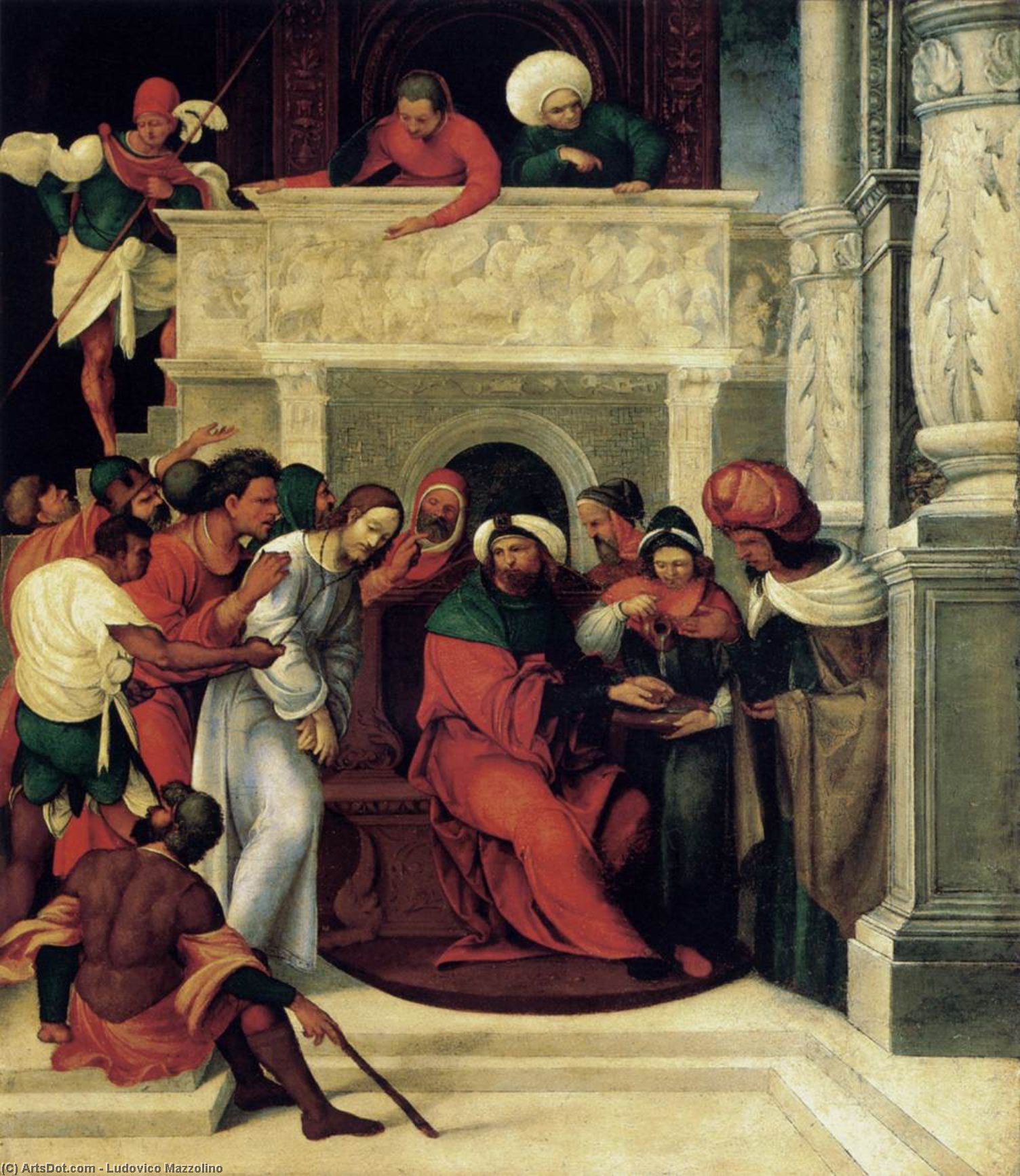
Lodovico Mazzolino's “Christ Before Pilate,” painted around 1530, stands as a testament to the enduring fascination with religious iconography during the Renaissance. Executed in tempera on panel, this artwork transcends mere depiction; it embodies a profound exploration of faith and judgment within the turbulent atmosphere of its time. The Fitzwilliam Museum houses one of the finest examples of Mazzolino’s oeuvre, offering viewers an unparalleled opportunity to appreciate his masterful blend of stylistic influences—classicism tempered by a distinctly primitive sensibility.
Subject Matter and Composition
The painting captures a pivotal scene from biblical narrative: Jesus Christ facing interrogation before Pontius Pilate, governor of Judea. Mazzolino skillfully portrays the confrontation between divine innocence and earthly authority. The central figure of Christ dominates the composition, seated calmly yet powerfully amidst a group of onlookers—representatives of Roman officials and Jewish dignitaries. This deliberate arrangement underscores the gravity of the moment, emphasizing Jesus’s vulnerability against the backdrop of impending condemnation. The inclusion of a chair symbolizes Pilate's role as judge, while the surrounding figures contribute to the dramatic tension inherent in the tableau.
Style and Technique
Mazzolino’s artistic style reflects the prevailing trends of his era yet distinguishes itself through an arresting juxtaposition of influences. Drawing inspiration from Ercole Roberti, Mazzolino embraced a technique characterized by meticulous detail and vibrant color palettes—a hallmark of Florentine painting during this period. However, unlike many artists striving for polished classicism, Mazzolino deliberately employed elements reminiscent of earlier artistic traditions, particularly those found in Umbrian art. This stylistic choice lends the panel an expressive quality that prioritizes emotional impact over strict adherence to formal conventions. The use of tempera paint—known for its luminosity and durability—further enhances the artwork’s visual richness and ensures its preservation across centuries.
Historical Context and Symbolism
Painted during a period marked by religious fervor and political instability, “Christ Before Pilate” speaks directly to the anxieties surrounding papal authority and Jewish-Roman relations. Mazzolino's depiction aligns with the broader artistic discourse of his time, which sought to convey moral truths through evocative imagery. The presence of the book symbolizes divine law and righteousness—a reminder of Christ’s unwavering commitment to ethical principles despite facing persecution. Furthermore, the subdued expressions of Jesus and Pilate invite contemplation on themes of compassion versus justice, prompting viewers to grapple with fundamental questions about human morality.
Emotional Impact and Legacy
“Christ Before Pilate” continues to resonate powerfully with audiences today due to its ability to evoke profound emotional responses. Mazzolino’s masterful rendering captures the palpable tension of the biblical drama—the confrontation between faith and fear, innocence and condemnation. The artwork's enduring appeal lies in its capacity to stimulate introspection and provoke dialogue about spiritual values. As a remarkable example of Renaissance devotional art, it serves as an inspiration for interior designers seeking to infuse their spaces with beauty and contemplation. Its reproduction offers collectors the chance to experience the artistic brilliance of Mazzolino firsthand—a timeless masterpiece that transcends stylistic boundaries and speaks directly to the human spirit.