Explore the captivating world of Lucas Cranach the Elder, a pivotal German Renaissance master known for his portraits, Reformation art, and mythological scenes. Discover his legacy!
Otkrijte nemačku kulturu i umetnost u Nurnbergu! Istražite preko 1,3 miliona artefakata iz milenijuma, od prehistoricnog doba do danas. Putovanje kroz bogato nemačko nasleđe vas čeka u Germanisches Nationalmuseum.
The Weight of Faith: Lucas Cranach’s Dramatic Depiction
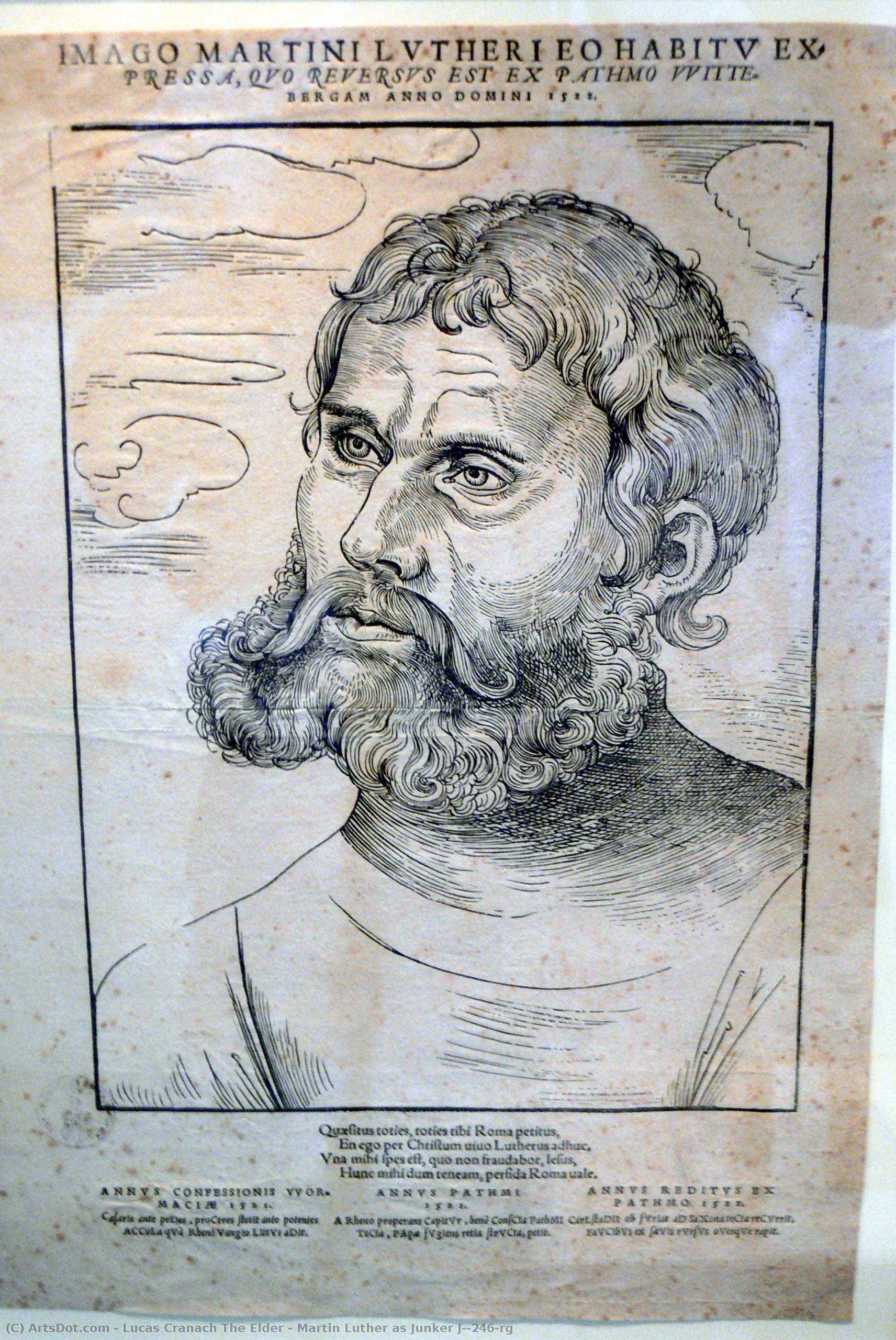
Lucas Cranach the Elder's “Martin Luther as Junker Jörg,” painted in 1522, isn’t merely a portrait; it’s a carefully constructed tableau vivant—a visual embodiment of a pivotal moment in European history. This woodcut, executed with remarkable detail and imbued with potent symbolism, captures Martin Luther not as the fiery reformer we often envision, but as a man caught in the precarious balance between faith and worldly threat. The image immediately commands attention: Luther, clad in the garb of a wealthy nobleman – the “Junker” – stands with a stoic gaze directed just beyond the frame, suggesting both vulnerability and resolute determination. His beard and mustache, rendered with meticulous realism, convey an air of authority tempered by a hint of weariness, reflecting the immense pressures he faced during his initial defiance of papal authority.
- The Context: Painted in the tumultuous years following Luther’s 1521 return to Wittenberg after his exile, this work speaks directly to the climate of religious upheaval. Luther's challenge to the Catholic Church had placed him under imperial ban and threatened his life; the “Junker Jörg” disguise was a calculated maneuver designed to protect him while he continued to disseminate his ideas.
- The Disguise: The choice of attire is crucial. The nobleman’s clothing represents a temporary shedding of Luther's clerical identity, a deliberate act of concealment intended to shield him from persecution. It highlights the precariousness of his position and underscores the lengths he was willing to go to for his beliefs.
- The Composition: Cranach masterfully employs perspective—a subtle recession into the background—to draw the viewer’s eye towards Luther, anchoring him within the scene. The muted palette – dominated by browns, greys, and blacks – reinforces the somber mood and emphasizes the gravity of the situation.
Craftsmanship & Technique: A Masterful Woodcut
Cranach’s skill as a woodcutter is immediately apparent in the intricate detail of this image. The lines are crisp, precise, and remarkably expressive, conveying texture and form with astonishing subtlety. This was not simply a print; it was a carefully considered artistic statement. Cranach utilized a technique known as “bitter burn,” where he would carve away areas of the wood block to create lighter tones, allowing for a greater range of shading and detail than traditional relief printing. The result is a remarkably nuanced image—a testament to his technical mastery.
Key Techniques:
- Bitterschnitt (Bitter Cut): Cranach’s signature technique, enabling detailed shading and tonal variation within the woodcut.
- Cross-Hatching: Used extensively to create texture and depth in the clothing and Luther's face.
- Linear Perspective: Employed subtly to establish a sense of space and draw the viewer’s eye towards the central figure.
Symbolism & Thematic Resonance
Beyond its immediate depiction, “Martin Luther as Junker Jörg” is rich in symbolic meaning. The sword, partially visible at Luther's side, represents both his authority and the threat he faced – a constant reminder of the potential consequences of his defiance. The setting itself—a vaguely defined landscape—suggests a world outside the confines of Wittenberg, emphasizing Luther’s exile and the broader implications of his challenge to established power structures. The very act of portraying Luther in this disguise speaks volumes about the courage required to stand against the Church and the lengths he was willing to go to protect his convictions.
The image serves as a potent reminder of the personal sacrifices made by those who dared to question religious authority, solidifying Luther’s place as a key figure in the dawn of the Reformation.
A Timeless Portrait: Reproduction & Artistic Legacy
Reproductions of “Martin Luther as Junker Jörg” offer a remarkable opportunity to engage with this iconic image and appreciate Cranach's artistic genius. The detail and emotional depth captured in the original woodcut are faithfully reproduced, making it an ideal addition to any collection or interior space. Consider framing the reproduction within a period-appropriate wooden frame to further enhance its historical impact. This artwork is not just a depiction of a man; it’s a window into a transformative era—a testament to faith, courage, and the enduring power of art to capture the complexities of human experience.