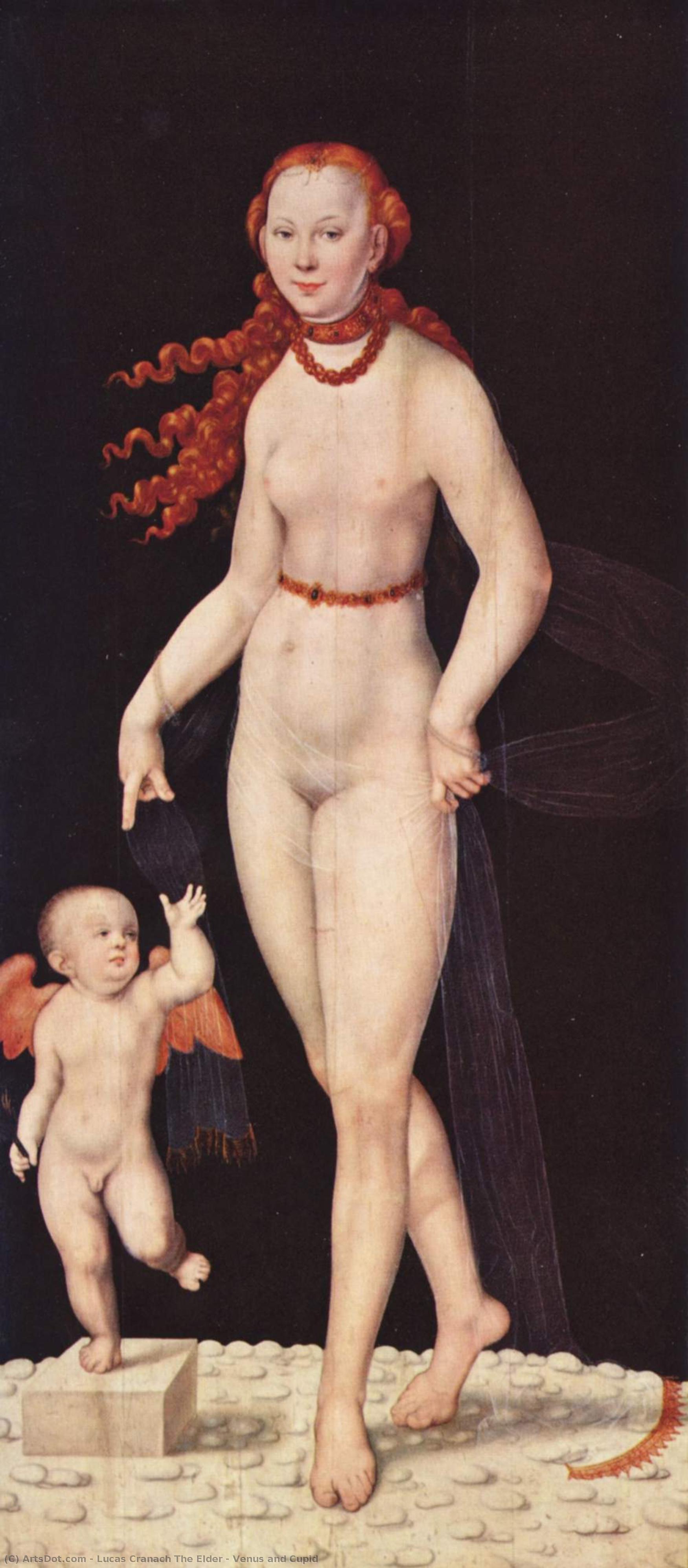
Lucas Cranach’s ‘Venus and Cupid’ captures a serene Renaissance moment with its masterful oil painting technique and iconic figures. This 1540 Northern Renaissance artwork, featuring Venus and Cupid, offers a timeless depiction of love and desire – discover this exquisite reproduction.
Explore the captivating world of Lucas Cranach the Elder, a pivotal German Renaissance master known for his portraits, Reformation art, and mythological scenes. Discover his legacy!
Otkrijte evropsku umetnost u Alte Pinakotheku u Minhenu! Istražite renesansna i barokna remek-dela Džerara, Rembranta i Rubensa u prelepom neoklasičnom ambijentu.
Nemačka
Minhen
Alte Pinakothek
Renesansna umetnost
600 slika
Muzej umetnosti
1836
Gotska renesansa
2
Koji je arhitektonski stil dominantno zastupljen u dizajnu Alte Pinakotheka?
A Vision of Mythological Grace
In the quietude of the Northern Renaissance, few images capture the delicate tension between divine beauty and earthly desire as poignantly as Lucas Cranach the Elder’s "Venus and Cupid." Created in 1540, this masterpiece serves as a window into an era where humanist ideals began to reshape the European consciousness. The painting presents a serene yet psychologically charged tableau, inviting the viewer into a private moment of mythological intimacy. As the goddess of love stands poised against a profound, dark void, her luminous skin seems to radiate from within, creating a breathtaking contrast that commands the attention of any room it inhabably graces. For the discerning collector or interior designer, this work offers more than mere decoration; it provides a focal point of profound elegance and historical depth.
The composition is a masterclass in balanced asymmetry. On one side, Venus embodies a regal confidence, her form sculpted by light, while on the other, the youthful Cupid introduces an element of playful energy. This arrangement subtly mirrors the complex interplay between mature contemplation and the impulsive passions of youth—themes that were central to the intellectual climate of the 16th century. Cranach’s use of a dark, minimalist background is particularly striking; by stripping away distracting landscapes, he forces an encounter with the figures themselves, elevating their presence to something almost ethereal. The textured stone pedestal beneath them provides a necessary sense of permanence and weight, grounding the celestial subjects in a palpable, physical reality.
Technique and the Radiance of Oil
The enduring allure of this work lies heavily in Cranach’s sophisticated use of oil paint on wood. Moving beyond the flatter, more opaque traditions of tempera, the artist utilized the unique properties of oil to achieve remarkable tonal gradations. This technique allowed for a soft, velvety rendering of flesh tones and a subtle chiaroscuro that breathes life into the figures. The way light dances across Venus’s shoulder and catches the edge of Cupid’s wings demonstrates a level of technical precision that remains captivating centuries later. For those seeking a high-quality reproduction, capturing these nuanced transitions of light and shadow is essential to preserving the painting's original emotional impact.
Beyond its technical brilliance, the painting is rich with symbolic resonance. The mirror held by Venus is not merely a tool for vanity but a symbol of self-reflection and the introspective nature of beauty. Cupid, with his bow and arrow, serves as the eternal catalyst for love’s transformative power. Together, they represent a cycle of affection that is both timeless and universal. Whether placed in a grand gallery or a sophisticated contemporary living space, a reproduction of "Venus and Cupid" brings with it an atmosphere of classical sophistication, making it an incomparable choice for those looking to infuse their surroundings with the spirit of the Renaissance.