Мери Вокс Волкотт је био „Аудибон од ботанике“, позната по својим издивљитељским аквамастерским сликам цвећа и доприносу науци. Истражите њен детаљан ботанички уметност!
Откријте богатство америчке уметности на Музеју Смитсонијан Арт Метроу у Вашингтону ДЦ! Погледајте иконе чињеница, разнолике традиције и захваљуте изложбе у Згради Старе Патентске канцеларије.
Музеј Смитсонијан Арт Метроу, Вашингтон ДЦ, Америчка уметност, Галерија Рењвик, Зграда Старе Патентске канцеларије, Фредерик Керх, Георгија О’Кеф, Винслоу Хомер, Уметност племенита и ремек-дело
Посети Музе
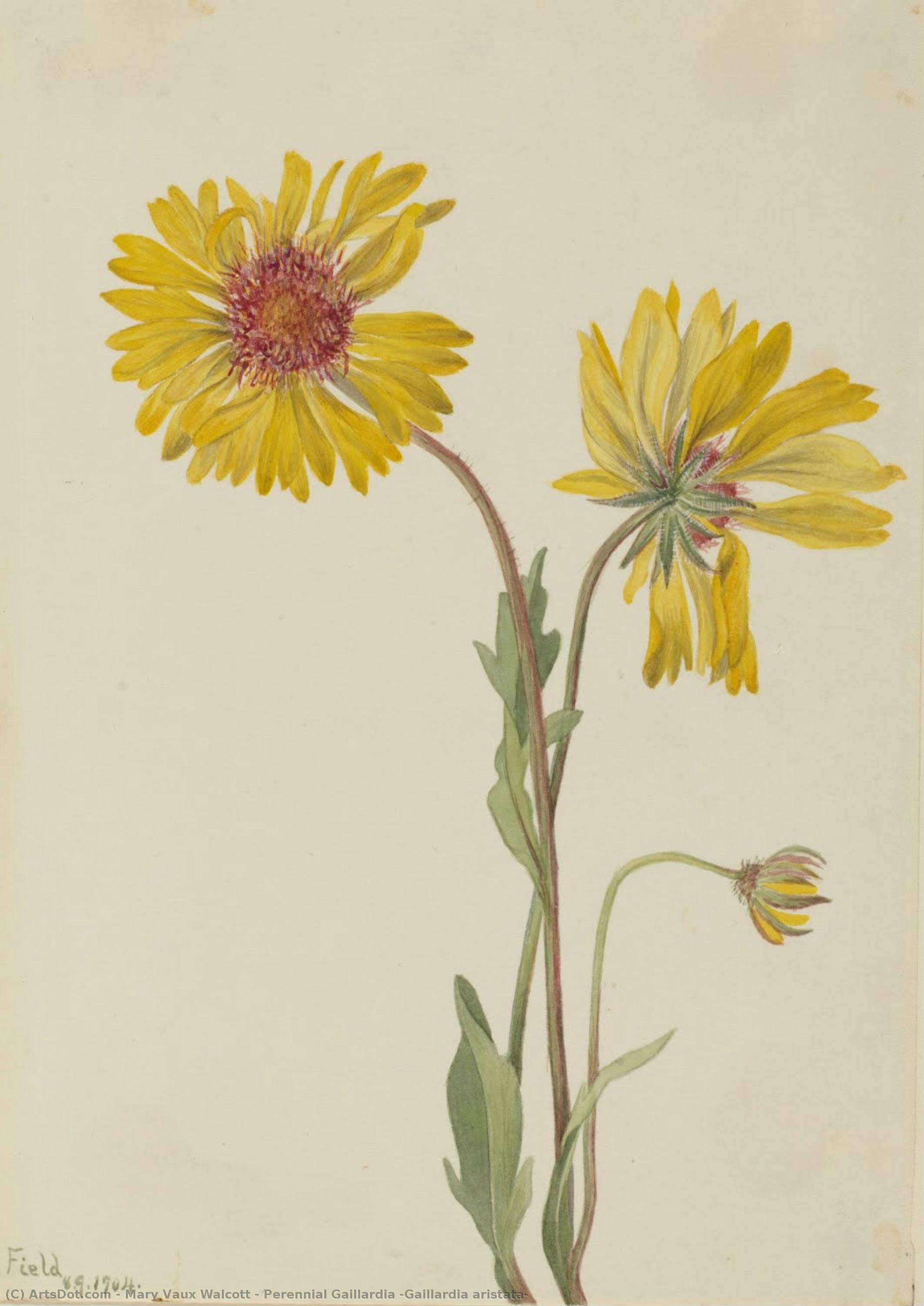
Perennial Gaillardia (Gaillardia aristata): A Watercolor Echo of Resilience
Mary Vaux Walcott’s “Perennial Gaillardia” isn't merely a depiction of wildflowers; it’s a testament to perseverance and an exquisite embodiment of American Impressionism. Painted in 1904, this watercolor captures the vibrant hues of Gaillardia aristata – commonly known as Fire Lily – blooming amidst verdant foliage against the backdrop of the Canadian Rockies. More than just botanical illustration, Walcott's work speaks volumes about her unwavering spirit and her profound connection to the natural world.
- Subject Matter: The painting focuses intently on two individual Gaillardia flowers, showcasing their delicate petals and prominent stamens against a backdrop of lush green leaves. This meticulous attention to detail reflects Walcott’s dedication to scientific observation combined with artistic sensitivity.
- Style & Technique: Walcott employed the watercolor medium skillfully, layering translucent washes of pigment to achieve luminous effects that capture the ephemeral beauty of fleeting moments in time—a hallmark of Impressionism. The soft brushstrokes convey a sense of movement and atmosphere, mirroring the dynamism of the Rocky Mountain landscape.
- Historical Context: Created during a period of burgeoning interest in natural history and conservation, “Perennial Gaillardia” aligns with the broader artistic movement that sought to represent nature as it appeared to the eye—a reaction against academic art’s idealized representations. Walcott's work anticipates the rise of ecological awareness and celebrates the intrinsic value of botanical specimens.
Symbolism: The Gaillardia flower itself carries symbolic significance, representing resilience, joy, and remembrance – qualities that resonate deeply within Walcott’s biographical narrative. Her tireless exploration of the Rockies exemplifies a determination to overcome obstacles and pursue passions with unwavering conviction. Furthermore, the choice of watercolor—a medium known for its subtlety and luminosity—suggests an appreciation for capturing intangible beauty and conveying emotional depth.
Emotional Impact: Viewing “Perennial Gaillardia” evokes feelings of tranquility and wonder. The artist’s masterful rendering of light and color transports the viewer to the Canadian Rockies, fostering a connection with the grandeur of nature. It serves as a reminder that even amidst hardship, beauty persists—a sentiment powerfully conveyed through Walcott's artistic vision.
Smithsonian Legacy & Reproduction
Currently housed at the Smithsonian American Art Museum (Gift of the artist), “Perennial Gaillardia” exemplifies Walcott’s contribution to both art history and scientific documentation. Its enduring appeal has inspired numerous reproductions, allowing admirers worldwide to experience its captivating aesthetic qualities. A high-quality print offers a tangible connection to this remarkable artwork and celebrates the legacy of Mary Vaux Walcott—a woman who transformed observation into inspiration and secured her place as “the Audubon of Botany.”