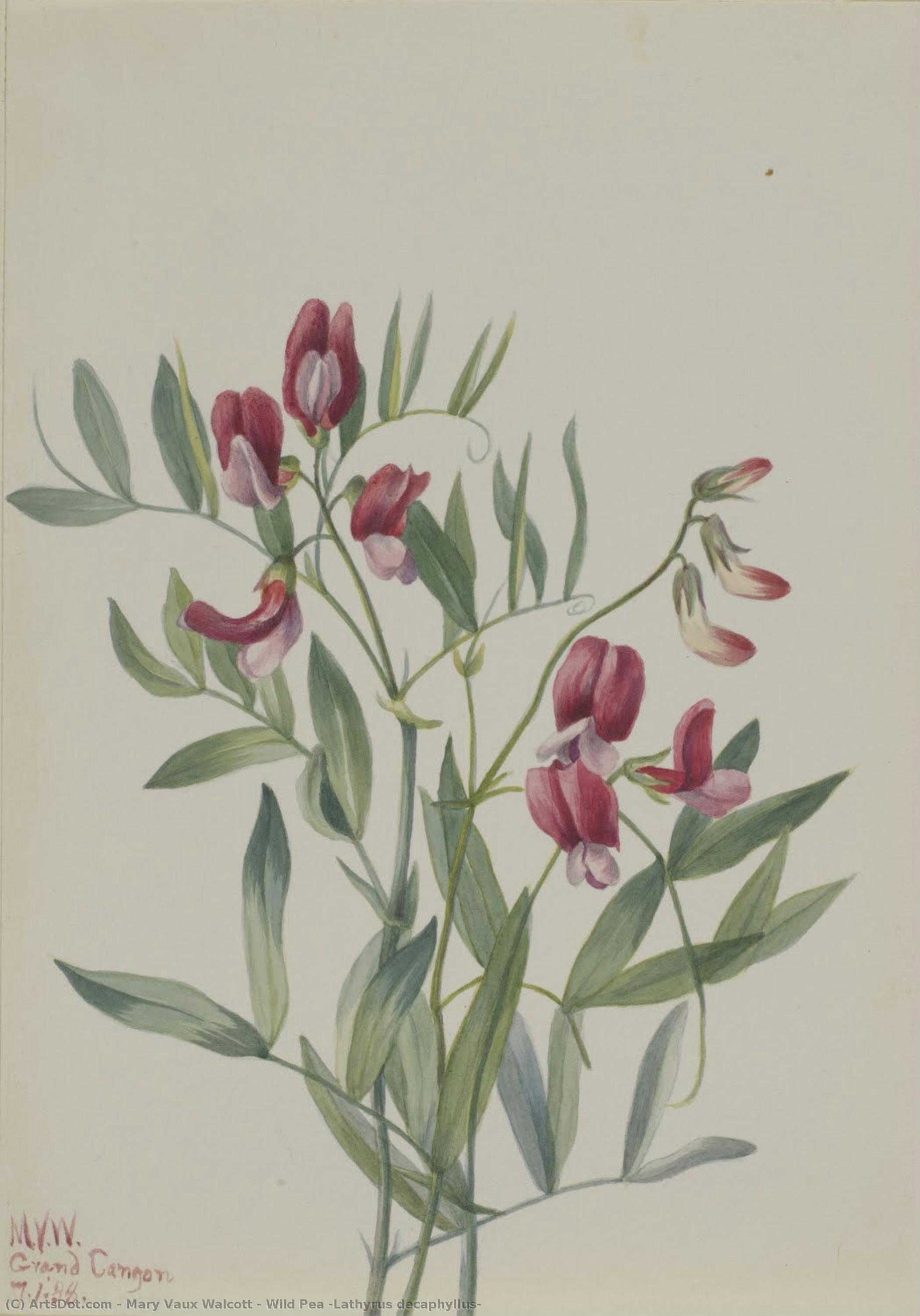
A Life Blossoming in Watercolor: The World of Mary Vaux Walcott – Born into the refined world of Philadelphia’s Quaker society, Mary Morris Vaux seemed destined for a life of quiet domesticity. Yet, from an early age, a vibrant artistic spirit stirred within her, ignited by a simple gift – a set of watercolor paints at the tender age of eight.
Мери Вокс Волкотт је био „Аудибон од ботанике“, позната по својим издивљитељским аквамастерским сликам цвећа и доприносу науци. Истражите њен детаљан ботанички уметност!
Откријте богатство америчке уметности на Музеју Смитсонијан Арт Метроу у Вашингтону ДЦ! Погледајте иконе чињеница, разнолике традиције и захваљуте изложбе у Згради Старе Патентске канцеларије.
Музеј Смитсонијан Арт Метроу, Вашингтон ДЦ, Америчка уметност, Галерија Рењвик, Зграда Старе Патентске канцеларије, Фредерик Керх, Георгија О’Кеф, Винслоу Хомер, Уметност племенита и ремек-дело
Посети Музе
A Delicate Ode to Botany: Mary Vaux Walcott’s “Wild Pea”
Mary Vaux Walcott, a name synonymous with meticulous botanical illustration and unwavering artistic vision, gifted us with "Wild Pea (Lathyrus decaphyllus)," a watercolor masterpiece completed in 1938. This unassuming flower arrangement transcends mere depiction; it embodies Walcott's profound connection to the natural world and her remarkable ability to translate scientific observation into breathtaking beauty—a skill that earned her the deserved moniker “the Audubon of Botany.” The Smithsonian American Art Museum proudly houses this piece, a testament to its enduring legacy.
The Artist’s Journey: From Quaker Roots to Watercolor Pioneer
Born in Philadelphia's Quaker society in 1860, Mary Morris Vaux’s life trajectory defied conventional expectations for women of her era. Despite the responsibilities of caring for her family after her mother’s untimely passing in 1880—a burden that would have deterred many—Walcott resolutely pursued her artistic passions. Receiving a set of watercolor paints at just eight years old ignited a lifelong fascination with capturing floral forms, establishing a trajectory toward scientific accuracy blended seamlessly with artistic expression. Her dedication to botany wasn’t merely academic; it was driven by an innate desire to honor the splendor of the natural world and share its wonders with others.
A Study in Color and Composition: Technique and Style
“Wild Pea” exemplifies Walcott's masterful watercolor technique—a medium she championed throughout her career. The artist skillfully employs layering washes of color, achieving luminous translucency that captures the subtle nuances of petal texture and leaf coloration. Careful attention to detail is evident in the rendering of individual pea blossoms and their stems, demonstrating a commitment to scientific precision alongside artistic artistry. The composition itself is thoughtfully balanced, utilizing horizontal lines created by the vase and vertical lines formed by the flower stalks to guide the viewer’s eye across the canvas. This deliberate arrangement contributes to the overall sense of serenity and beauty.
Symbolism Within Simplicity: Pea Flowers and Artistic Expression
Beyond its technical brilliance, “Wild Pea” resonates with symbolic significance rooted in Victorian botanical art. The pea flower—often associated with springtime renewal and fertility—represents hope and regeneration. Walcott’s choice to depict these flowers within a vase elevates them beyond their natural habitat, transforming them into emblems of cultivated beauty and artistic contemplation. This deliberate framing underscores the artist's belief that nature could inspire profound emotional responses and contribute to intellectual understanding.
An Enduring Legacy: Inspiration for Collectors and Designers
“Wild Pea” continues to captivate audiences today, serving as a source of inspiration for interior designers seeking to infuse their spaces with natural elegance and collectors drawn to exceptional botanical prints. Its delicate color palette—primarily reds and greens—harmoniously complements various décor styles, creating an atmosphere of tranquility and sophistication. More than just a beautiful image, this watercolor embodies Mary Vaux Walcott’s unwavering commitment to artistic exploration and scientific observation—a legacy that ensures “Wild Pea” will endure as a timeless masterpiece for generations to come.