Discover Michel Collichon, a 17th-century French viol maker renowned for exquisite craftsmanship & resonant sound. His rare instruments are prized masterpieces of musical history.
Istaknite se među umetničkim lepotama Sforze Castla! otkrijte Leonardovu fresku, Mikelanđelaovu Pietu i druge ikone Milanskog zamka – simbol italijanske istorije i umetnosti kroz vekove.
Sforza Castle, Milan, Italija, Leonardo da Vinci, Michelangelo, Umetnostna istorija, Renascensa, Arhitektura, Italijanski slikari, Muzej, Castello Sforzesco, Visconti, Sforza porodica
Italija
Milan
Sforza Cast
Michel Colichon’s Bass Viola da Gamba: A Testament to Parisian Craftsmanship
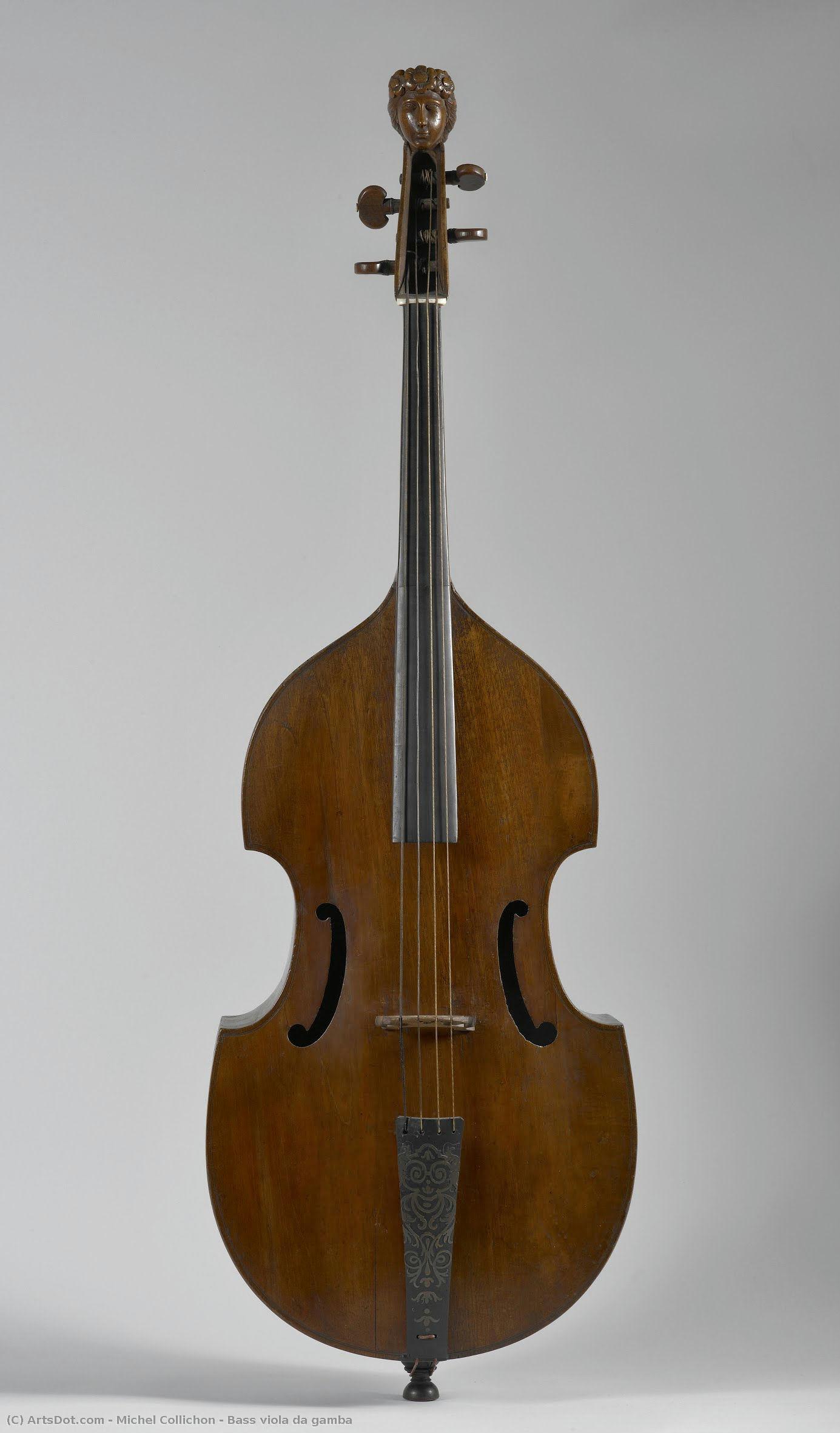
The bass viola da gamba, crafted by Michel Colichon between 1683 and 1693 in Paris during the Baroque era, stands as a remarkable achievement of luthiery—a testament to meticulous craftsmanship and an embodiment of the aesthetic ideals prevalent at the time. This instrument’s creation coincided with a period of artistic flourishing under Louis XIV, where opulent decoration and refined musical expression were paramount. Colichon's workshop produced eight similar instruments, each destined for discerning patrons who appreciated both beauty and sonic quality.
Material and Construction: Exotic Wood and Delicate Joinery
The instrument’s construction speaks volumes about the skill of its maker. The back, ribs, and soundboard are believed to be fashioned from an unidentified exotic wood—likely cedrela or perhaps walnut—a choice indicative of Colichon's ambition to utilize materials prized for their resonance and visual appeal. Notably, five parts of the soundboard were bent and joined together with painstaking precision, demonstrating a mastery of woodworking techniques that would have been considered exceptional. The tailpiece is lined with rosewood and adorned with intricate brass floral motifs—a characteristic embellishment reflecting the Baroque fascination with naturalistic ornamentation.
Transformation into a Cello: Adapting Tradition
A fascinating aspect of this viola da gamba’s history is its subsequent conversion into a cello sometime after 1687. This involved replacing the upper half of the neck and the entire pegbox, resulting in a narrower fingerboard and tailpiece with only four holes—a departure from the original six-hole design. However, Colichon cleverly preserved the instrument’s original female carved head, inserting it into the current pegbox—a subtle yet significant gesture honoring the instrument's heritage while adapting it to contemporary musical needs.
A Portrait of Elegance: Visual Details and Artistic Style
The image captures a close-up view of the viola da gamba, highlighting its rich brown hue and conveying an impression of age and enduring beauty. Positioned against a stark white background, this deliberate contrast emphasizes the instrument’s sculptural form and draws attention to its decorative elements. Two figures—presumably observers or curators—are present in the photograph, suggesting a context of scholarly appreciation and artistic contemplation. The meticulous detail evident in the image underscores Colichon's commitment to capturing the essence of Baroque artistry.
Symbolism and Emotional Resonance
The bass viola da gamba’s design reflects broader stylistic trends of the era: its elegant curves and refined ornamentation embody the grandeur and sophistication associated with Louis XIV’s court. The instrument’s sound—characterized by Colichon's workshop as “resonant”—would have been appreciated for its ability to evoke emotion and convey musical nuance. It represents not merely a functional object but also a symbol of artistic excellence and cultural prestige—a legacy preserved in this exquisite example of Baroque craftsmanship.
- Artist: Michel Colichon
- Born Year: 1641
- Death Year: 1694
- Birth City: Paris
- Birth Country: France
Further Exploration:
Discover more about Michel Colichon and his contribution to French musical history. Explore related artworks from the Baroque period for inspiration.