Majstor renesanse Mikelanđelo Buonaroti (1475-1564) ostavio je neizbrisiv trag svojim skulpturama kao što su David i Pietà, veličanstvenim freskama na plafonu Sikstinske kapele i revolucionarnim arhitektonskim rešenjima. Istražite njegov genijalni stil!
Otkrijte veličanstvo Sikstinske kapele u Vatikanu! Poznate po Mikelanđelovim freskama, uključujući 'Stvaranje Adama', ovo je remek-delo renesanse koje vas ostavlja bez daha. Rezervišite ulaznicu danas!
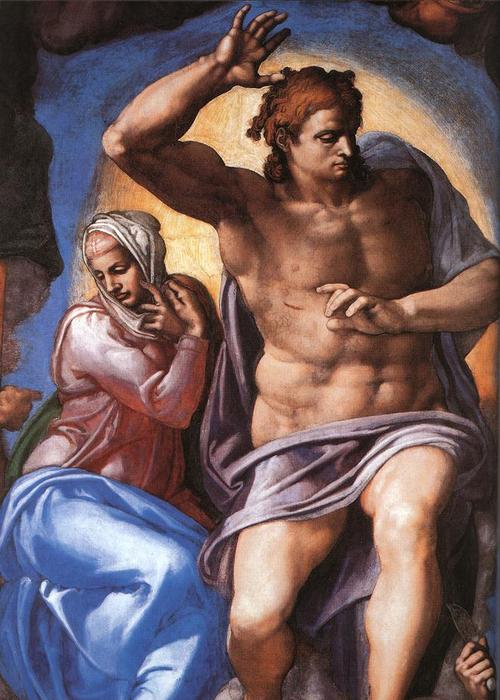
The Last Judgment (detail) (15) by Michelangelo Buonarroti: A Glimpse of Divine Power
- Artist: Michelangelo Buonarroti
- Painting Title: Last Judgment (detail) (15)
- Medium: Frescoes
- Date: 1537
- Location: Sistine Chapel, Vatican City, Italy
This captivating detail from Michelangelo Buonarroti's monumental fresco, The Last Judgment, residing within the awe-inspiring Sistine Chapel in Vatican City, offers a profound glimpse into the artist’s unparalleled skill and artistic vision. Part of a larger narrative depicting the Second Coming of Christ and final judgment, this section focuses on the intense drama and emotional weight of the event.
Historical Context & Artistic Creation
Commissioned by Pope Clement VII and completed under Pope Paul III between 1535 and 1541, The Last Judgment represents a culmination of Michelangelo's artistic career. It reflects his deep understanding of human anatomy, perspective, and the power of conveying complex emotions through visual representation. The fresco was created using the traditional technique of fresco – pigments mixed with water applied directly to wet plaster—a demanding process requiring precision and speed.
Composition & Symbolism: A Visual Narrative
The detail showcases Jesus Christ, centrally positioned with outstretched arms, surrounded by a multitude of figures representing humanity's fate. The composition is dynamic and complex, filled with swirling forms and intense expressions. Each figure contributes to the overall narrative of judgment and redemption. Noticeable are the muscular depictions of the saints and angels, reflecting Michelangelo’s mastery of human anatomy. The inclusion of specific attributes for each saint—St. Bartholomew holding his flayed skin (believed by some to contain a self-portrait of Michelangelo), St. Lawrence with his gridiron—adds layers of symbolic meaning and personal reflection.
Emotional Impact & Lasting Legacy
The Last Judgment (detail) (15) evokes a powerful sense of awe, drama, and spiritual intensity. The vibrant colors, revealed after extensive restoration efforts between 1980 and 1994, amplify the emotional impact of the scene. Michelangelo’s work transcends mere representation; it is an exploration of faith, mortality, and divine power. This fresco remains a significant masterpiece of Renaissance art, influencing generations of artists and continuing to inspire viewers with its grandeur and profound message.