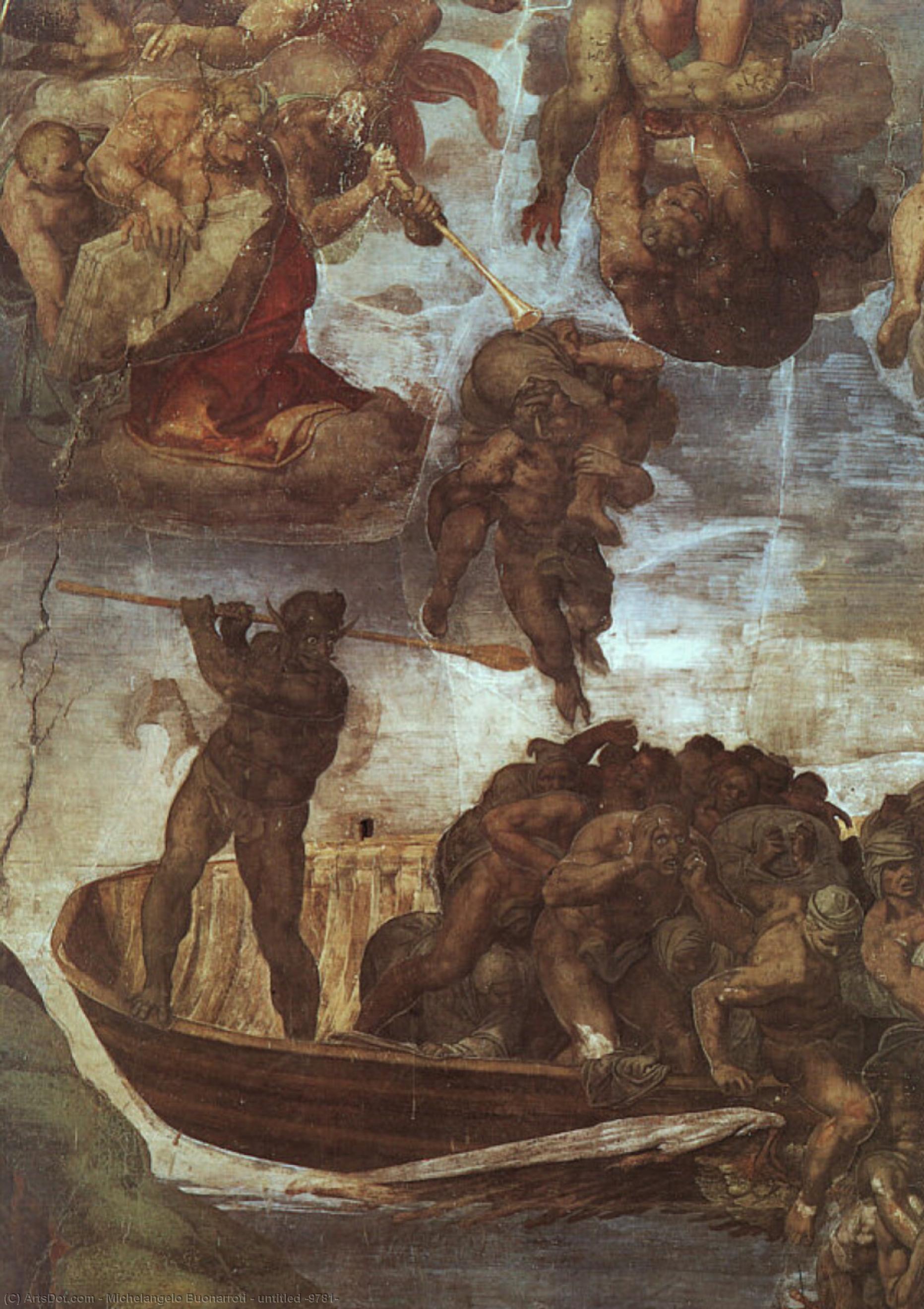
Michelangelo Buonarroti: A Titan of Renaissance Sculpture and Painting
Michelangelo Buonarroti, born March 6, 1475, in Caprese Michelangelo, Tuscany, stands as arguably the most influential artist of the High Renaissance—a figure whose legacy continues to inspire awe and admiration centuries later. More than simply a craftsman, he was a visionary who wrestled with theological concepts and pushed the boundaries of artistic expression, leaving an indelible mark on Western art history.
- Early Apprenticeship & Artistic Awakening: Michelangelo’s formative years under Domenico Ghirlandaio instilled foundational skills in fresco painting and draftsmanship. However, it was within the Medici gardens—a bastion of classical ideals—that his artistic soul truly blossomed. Surrounded by sculptures mirroring Greco-Roman grandeur, he absorbed principles of anatomy, proportion, and idealized beauty – elements that would define his distinctive style.
- The Anatomy of Genius: Michelangelo’s relentless pursuit of anatomical accuracy wasn't merely aesthetic; it reflected a profound understanding of the human form as divine creation. This meticulous study informed masterpieces like *David*, embodying strength, grace, and spiritual contemplation—a testament to humanist ideals prevalent during his time.
- The Sistine Chapel Ceiling: Undoubtedly Michelangelo’s magnum opus, the Sistine Chapel ceiling represents a monumental achievement in fresco painting and biblical storytelling. Commissioned by Pope Julius II, it depicts scenes from Genesis and Exodus with breathtaking dynamism and emotional intensity—a visual narrative that captures the grandeur of God's creation and humanity's relationship with divinity.
- Sculptural Mastery: Beyond painting, Michelangelo excelled as a sculptor, crafting iconic figures like *David*, *Pieta*, and Moses—each imbued with palpable emotion and conveying profound spiritual significance. His sculptures demonstrate unparalleled mastery of marble carving, capturing movement and expression with astonishing realism.
Symbolism & Spiritual Depth
Michelangelo’s art is steeped in symbolism reflecting Renaissance humanist thought and Catholic piety. Recurring motifs—such as the biblical narratives and depictions of saints—serve to convey moral lessons and explore themes of faith, redemption, and divine grace. The artist's meticulous attention to detail underscores his belief that beauty could illuminate spiritual truths.
Technique & Innovation
Michelangelo’s technique was revolutionary for its time. He pioneered innovative methods of fresco painting—particularly *buon fresco*—allowing him to achieve unparalleled luminosity and textural richness. His sculptural practice demanded immense physical effort and unwavering dedication, resulting in sculptures that possess an unmatched sense of solidity and expressive power.
Legacy & Enduring Influence
Michelangelo Buonarroti’s influence extends far beyond his own lifetime. He established a paradigm for artistic excellence—inspiring generations of artists to strive for perfection and elevating sculpture and painting to new heights of artistic achievement. His works continue to captivate audiences worldwide, cementing his place as one of the greatest figures in Western art history.