Otkrijte Noela Nikolasa Kojpela, francuskog slikara iz 17. veka poznatog po klasičnoj eleganciji i biblijskim scenama. Istražite njegova dela na ArtsDot i Musée des Beaux-Arts.
Louvre
(Paris, France)
Otkrijte bezvremenske remek-dela Louvra! Putujte kroz istoriju umetnosti od drevnog Egipta do renesansnih ikona – Mona Liza, Venere Miloska i još mnogo toga. Pariško kulturno blago čeka na vas!
A) Kraljevskom dvorcem isključivo za Luja XIV.
B
Prema datom tekstu, šta je bila prvobitna svrha palate Louvre?
The Grandeur of Apollo's Triumph
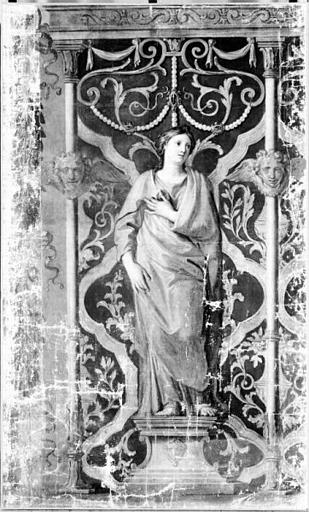
To stand before Noel Nicolas Coypel’s Le Triomphe d'Apollon is to step directly into the gilded halls of Baroque mythology. This painting is not merely a depiction; it is an immersion in idealized classical splendor. The central figure, embodying the radiant power and divine grace associated with Apollo—the god of light, music, and the arts—commands the viewer’s gaze. Coypel masterfully frames this apotheosis within an architectural setting so opulent, one feels the weight of history and the echo of ancient ceremonies. The composition itself is a symphony of balance, where every column, every fold of drapery, seems placed with deliberate, divine intention.
A Study in Classical Technique and Form
Technically, Coypel’s handling of paint speaks to the height of 17th-century French academic painting. While the original medium was likely oil on canvas, the visual impact—even when considering its reproduction—is one of breathtaking refinement. Observe the interplay between hard geometry and soft organic curves. The strong vertical lines provided by the surrounding colonnade lend an undeniable sense of structure and permanence, anchoring the scene in classical order. Yet, this rigidity is beautifully softened by the flowing drapery clinging to the figure, suggesting movement even in a moment of poised triumph. The artist achieves remarkable textural contrast: the imagined smoothness of divine skin set against the perceived roughness of carved marble.
Symbolism and Emotional Resonance
The symbolism woven throughout Le Triomphe d'Apollon is rich with allegory. Apollo himself represents enlightenment, reason, and the triumph of art over chaos. The entire scene evokes a feeling of profound reverence—it suggests a sacred space where divine order has been restored or celebrated. For the modern collector or designer, this piece offers more than mere decoration; it imparts an atmosphere of elevated culture and enduring elegance to any room. It speaks to aspirations of beauty, knowledge, and lasting achievement.
Integrating Baroque Majesty into Modern Spaces
For those seeking to infuse a space with historical depth and unparalleled artistry, a reproduction of this work serves as a magnificent focal point. The controlled drama inherent in the Baroque style—the interplay between light and shadow, the sense of monumental scale—makes it exceptionally versatile. Whether placed above a grand mantelpiece or used as an accent piece in a formal drawing-room, Le Triomphe d'Apollon anchors a space with undeniable gravitas. It is a timeless statement piece that whispers tales of classical grandeur while remaining vibrantly relevant to contemporary tastes for sophisticated, art-infused interiors.