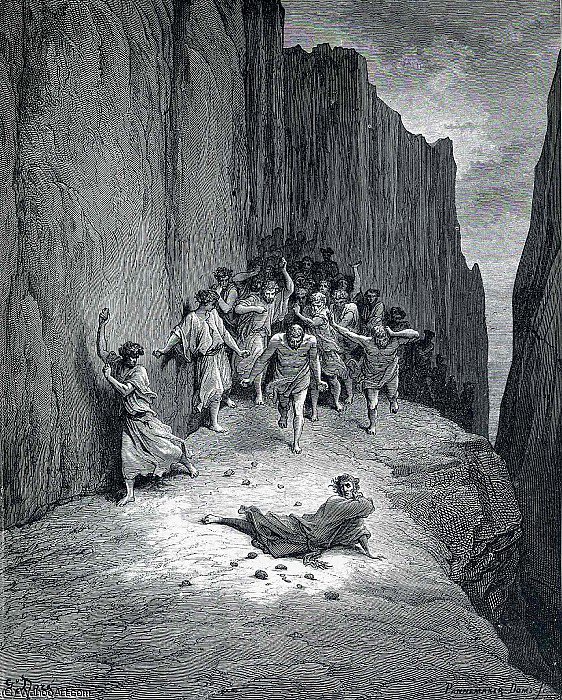
Paul Gustave Doré: A Titan of Romantic Illustration
Doré’s name resonates with an immediacy that transcends time—a testament to his unparalleled ability to distill complex narratives into breathtaking visual representations. Born in Strasbourg, France, in 1832, Gustave Doré wasn't merely a draughtsman; he was a visionary who fundamentally reshaped how literature and mythology were experienced through printmaking. His life coincided with the waning days of Romanticism but foreshadowed the burgeoning fascination with realism and psychological depth that would characterize the subsequent era. From his earliest years, Doré possessed an extraordinary talent—a gift for storytelling combined with an instinctive understanding of visual drama—traits that would define his prolific artistic output. Tales recount youthful escapades demonstrating a maturity far surpassing his age, hinting at the profound emotional resonance he sought to convey in his artwork. He embarked on his professional journey remarkably early, securing commissions before reaching adulthood and establishing himself as a prominent figure in the burgeoning field of illustration.
- Early Influences & Technique: Doré’s formative years were marked by exposure to influential artists like J.J. Grandville, whose fantastical depictions captivated audiences and instilled in Doré a passion for imaginative storytelling. He honed his craft primarily through wood engraving—a painstaking process demanding meticulous precision and artistic sensitivity—resulting in images imbued with remarkable textural detail and tonal nuance.
- Iconic Literary Adaptations: Doré achieved international acclaim for his masterful interpretations of classic literature, notably Dante’s Inferno and Milton's Paradise Lost. These projects cemented his reputation as a storyteller who could transform textual narratives into visceral experiences for viewers. His ability to capture the essence of these monumental works—their grandeur, terror, and spiritual significance—established him as one of the foremost illustrators of his time.
- The Inferno: A Descent Into Darkness Doré’s depiction of Dante's Inferno is arguably his most celebrated achievement. The engraving captures the harrowing atmosphere of Hell with astonishing accuracy, utilizing hatching and cross-hatching to create a palpable sense of oppressive darkness and despair. Each scene unfolds with dramatic intensity, conveying the psychological torment endured by Dante and his companions—a masterful demonstration of Doré’s artistic vision.
- Beyond Illustration: Sculpture & Artistic Legacy While Doré is overwhelmingly recognized for his engravings, he also pursued sculpture, exploring forms inspired by Romantic ideals. His sculptures reflect a fascination with mythology and symbolism, mirroring the thematic concerns prevalent in his illustrations. Doré's enduring influence extends far beyond his lifetime, inspiring artists across generations and solidifying his place as a cornerstone of Victorian art history.
Doré’s work continues to captivate audiences today, offering a glimpse into a bygone era while simultaneously resonating with timeless themes of morality, faith, and the human condition. Reproductions of his engravings—particularly those depicting Dante's Inferno—remain treasured possessions among collectors and inspire interior designers seeking to evoke atmosphere and grandeur.