A Portrait Steeped in Impressionistic Light
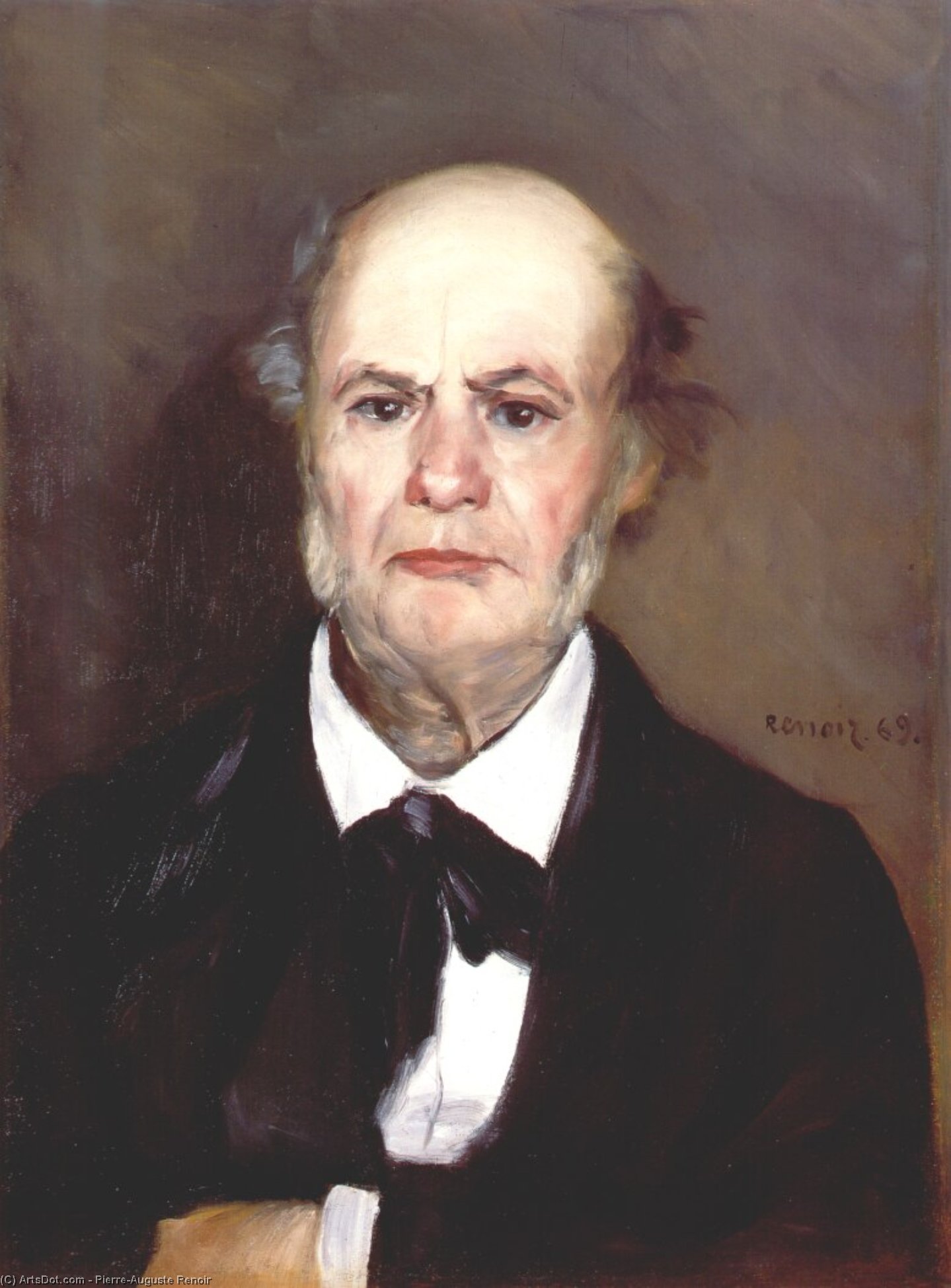
“Leonard Renoir,” painted in 1869 by Pierre-Auguste Renoir, transcends mere representation; it’s a distillation of Parisian life captured through the lens of Impressionism. This portrait isn't simply depicting a man—it’s conveying an atmosphere, a feeling—a testament to Renoir’s masterful ability to translate fleeting moments into enduring beauty.
- Subject Matter: The painting focuses on a gentleman, identifiable as Pierre-Auguste Renoir himself. He embodies the intellectual and artistic spirit of his era, presenting an image of refined elegance amidst the vibrant energy of Paris.
- Style & Technique: As with much of Renoir’s oeuvre, “Leonard Renoir” exemplifies Impressionism's core principles. Rather than striving for photographic accuracy, Renoir prioritized capturing the effects of light and color on the human form. Thick brushstrokes—characteristic of the technique—create a textured surface that vibrates with luminosity.
- Color Palette: The artist employs a muted yet harmonious palette dominated by earthy tones – browns, creams, and blacks – punctuated by subtle hints of crimson and gold. These colors aren’t intended to depict reality but rather to evoke emotion and contribute to the overall mood of contemplation.
Historical Context: Paris at the Dawn of Modernity
Painted during a period of significant social and artistic upheaval, “Leonard Renoir” reflects the burgeoning optimism of late 19th-century France. The Impressionist movement was challenging academic conventions, rejecting idealized depictions in favor of capturing everyday life with immediacy and spontaneity. Renoir’s work stands alongside other portraits from this time—artists like Degas and Monet—demonstrating a shared desire to explore new artistic horizons.
- Influence of Luminism: Renoir's approach owes considerable debt to the Luminist painters who preceded him, prioritizing tonal gradations and atmospheric perspective. However, unlike Luminists, Renoir actively sought to convey emotion through color and brushwork.
- Social Significance: The portrait speaks to the burgeoning bourgeois culture of Paris—a society embracing intellectual pursuits and artistic innovation. It’s a glimpse into the mindset of an artist who was acutely aware of his surroundings and determined to express them authentically.
Symbolism & Emotional Resonance
Beyond its technical brilliance, “Leonard Renoir” possesses a subtle symbolic depth. The man's gaze—direct yet slightly melancholic—suggests introspection and contemplation. His attire – a dark suit and tie – represents formality and social status, but also hints at restraint and seriousness. The overall impression is one of quiet dignity and intellectual curiosity.
- The Bow Tie: The bow tie serves as a visual emblem of Renoir’s artistic persona—a symbol of meticulous craftsmanship and attention to detail.
- Mood & Atmosphere: Ultimately, “Leonard Renoir” succeeds in conveying a profound sense of serenity and contemplative beauty. It invites the viewer to linger on its surface, absorbing the diffused light and experiencing the emotional resonance of the artist’s gaze.
A Reproduction Worth Admiring
A high-quality reproduction of “Leonard Renoir” allows admirers to appreciate the painting's exquisite craftsmanship and capture a fragment of Parisian Impressionism. ArtsDot offers exceptional reproductions that faithfully recreate Renoir’s luminous palette and textured brushstrokes, bringing this iconic artwork into your home or studio.