A Window into Impressionistic Beauty: Exploring Renoir’s “Portrait of Mademoiselle Francois”
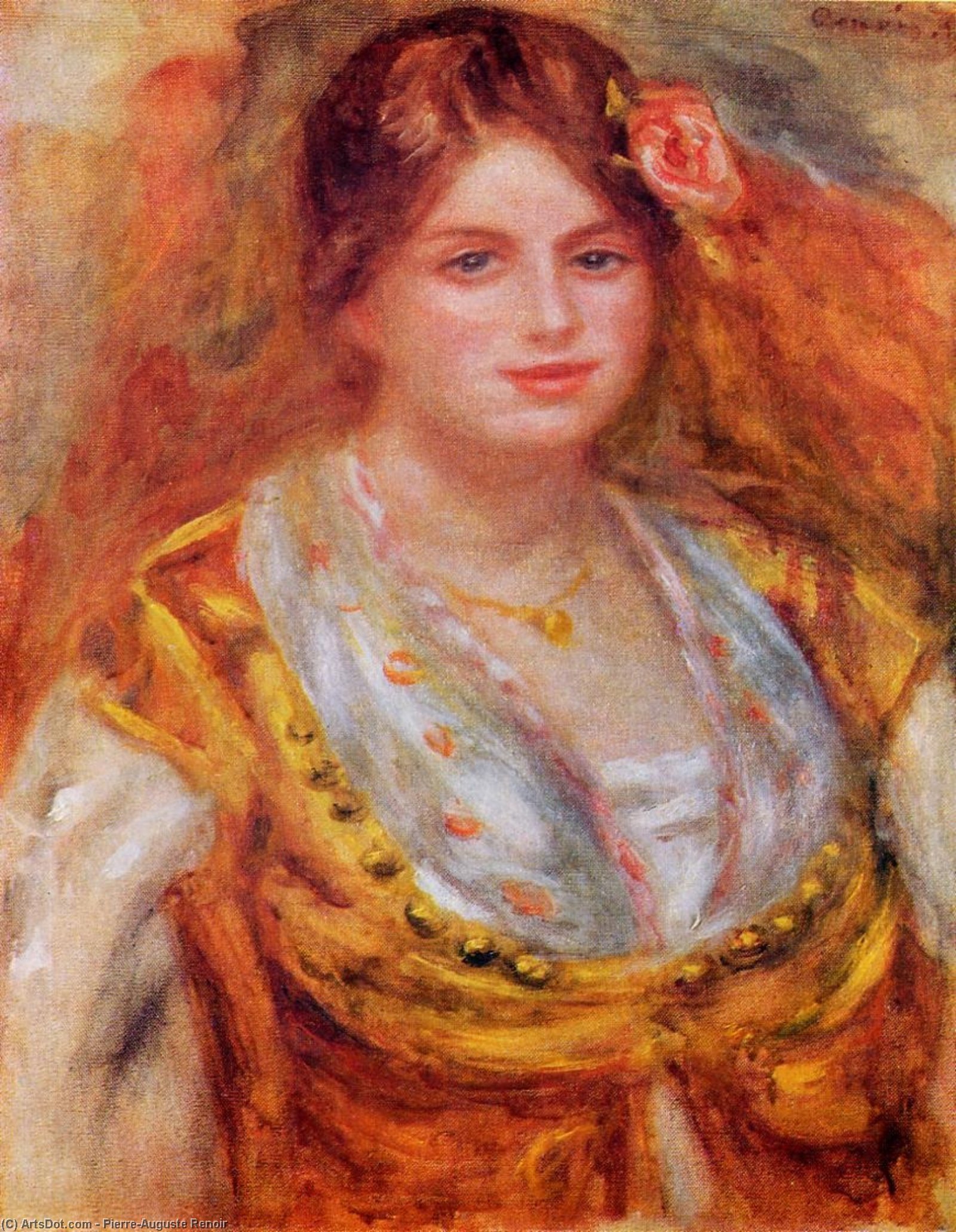
Pierre-Auguste Renoir's "Portrait of Mademoiselle Francois," completed in 1876, stands as a quintessential emblem of the Impressionist movement—a testament to its revolutionary approach to painting and an enduring celebration of feminine grace. More than just a depiction of a young woman, this artwork embodies the spirit of its era, capturing fleeting moments of light and emotion with unparalleled sensitivity.
- Artist’s Vision: Renoir, deeply influenced by artists like Eugène Boudin and Frédéric Bazille, sought to portray the world as perceived by the senses—a vibrant tapestry of color and atmosphere rather than a meticulously rendered representation. He prioritized capturing the ephemeral qualities of light and shadow, believing that these elements conveyed more profound truths about human experience.
- Impressionistic Technique: Renoir’s distinctive style is characterized by loose brushstrokes—often applied in short, broken dashes—that blend seamlessly together to create an illusion of shimmering surface texture. This technique eschews the smooth blending favored by academic painters, opting instead for a dynamic interplay of color and light that captures the immediacy of observation.
- Color Palette: The painting’s palette is dominated by pastel hues—particularly soft yellows and delicate pinks—which contribute to its ethereal luminescence. Renoir skillfully utilizes complementary colors to heighten visual impact and create depth, guiding the viewer's eye across the canvas with subtle tonal variations.
Historical Context: The Belle Époque and Artistic Innovation
“Portrait of Mademoiselle Francois” emerged during the Belle Époque—a period of unprecedented optimism and cultural flourishing in France. Artists like Renoir were pushing boundaries, rejecting traditional conventions and embracing new artistic ideas that challenged established norms. This painting reflects the broader movement toward realism combined with subjective experience, marking a decisive break from Romantic idealism.
- Influence of Eugène Boudin: Renoir’s early exposure to Boudin's landscapes—particularly his depictions of coastal scenes bathed in sunlight—provided invaluable inspiration for capturing atmospheric effects. Boudin championed the idea that art should strive to reproduce the sensations of sight, influencing Renoir’s approach to painting.
- The Salon Exhibitions: The Impressionists gained prominence through their participation in the Salon exhibitions—official gatherings of artists where critics and patrons scrutinized new works. Renoir's success at these events solidified his reputation as a leading figure in the movement and ensured that “Portrait of Mademoiselle Francois” would be seen by a discerning public.
Symbolism and Emotional Resonance
Beyond its technical brilliance, "Portrait of Mademoiselle Francois" resonates with profound symbolic meaning. The woman’s gaze—direct and serene—suggests confidence and inner contemplation. The rose nestled in her hair symbolizes beauty, purity, and love—themes that were central to Impressionist aesthetics.
Furthermore, Renoir's masterful use of light—particularly the diffused glow illuminating Mademoiselle Francois’ face—creates an atmosphere of intimacy and tenderness. The painting invites viewers to contemplate not only the subject’s appearance but also her emotional state, capturing a fleeting moment of grace that transcends time.
A Legacy Enduring Through Reproduction
At ArtsDot.com, we strive to honor Renoir's artistic legacy by offering meticulously crafted reproductions of “Portrait of Mademoiselle Francois.” Our artisans employ traditional oil painting techniques—faithfully replicating Renoir’s brushstrokes and color palette—to ensure that every detail is faithfully reproduced with exceptional accuracy. Explore the beauty of Impressionism firsthand – visit ArtsDot.com to discover more about Renoir’s life and work!