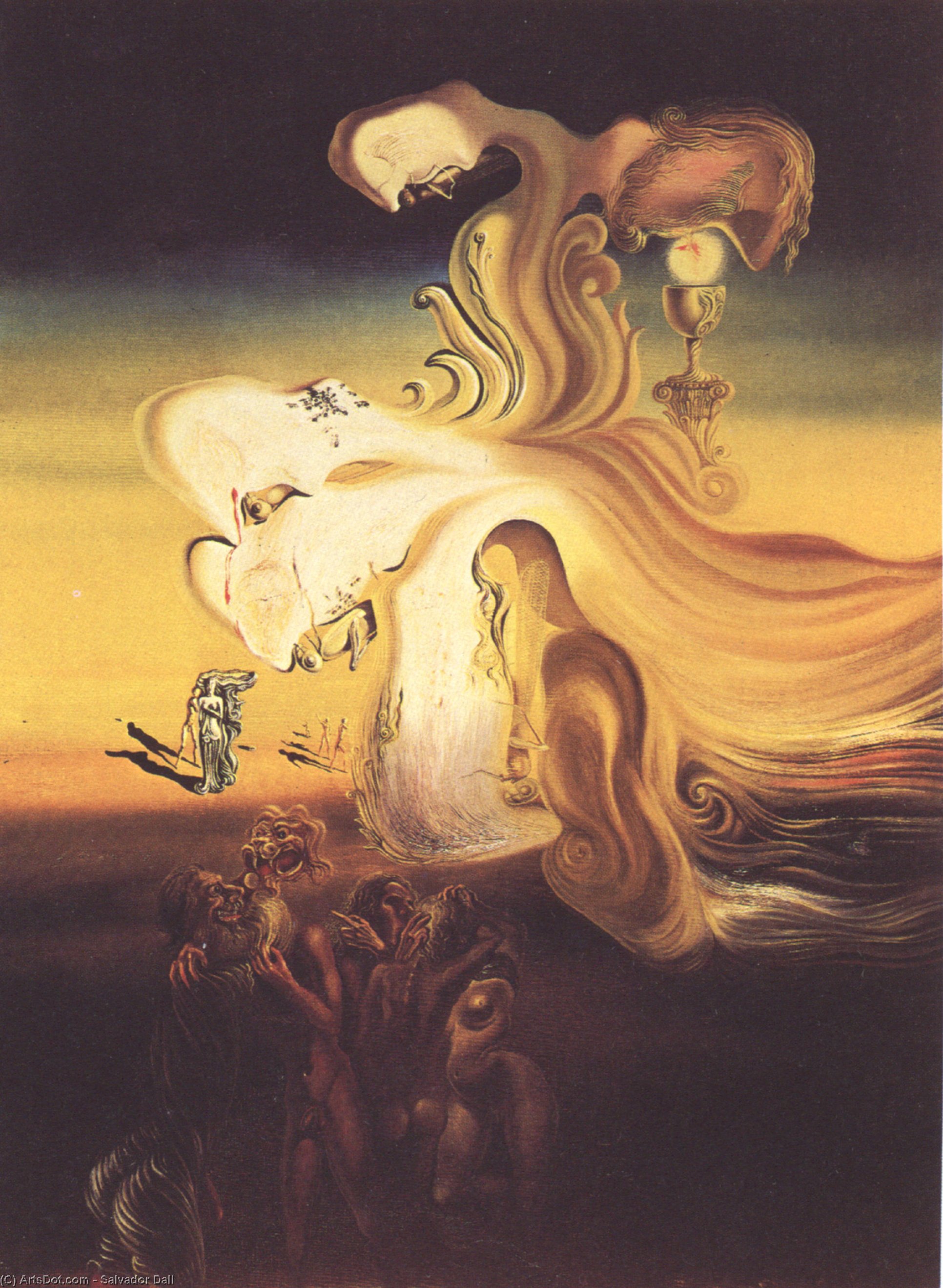
Profanation of the Host

Explore Salvador Dalí's surreal masterpiece, 'Profanation of the Host' (1929). Delve into its religious symbolism and dreamlike imagery – a captivating exploration of faith and transgression.


Сальвадор Дали (1904 - 1989)

Otkrijte Salvadora Dalija (1904-1989), majstora nadrealizma! Istražite snovolike pejzaže, kultne slike poput toplih satova i njegov trajni uticaj na umetnost i pop kulturu. #SalvadorDali #Nadrealizam

Delving into Salvador Dalí’s “Profanation of the Host”

  • A Surrealist Vision: Painted in 1929, “Profanation of the Host” is a striking example of Salvador Dalí's foray into Surrealism. This artwork isn’t merely a visual experience; it’s a provocative exploration of religious iconography, sexuality, and personal anxieties. The painting immediately captivates with its distorted figures and dreamlike atmosphere, challenging conventional perceptions of reality.
  • Symbolism and Interpretation: The central image, referencing the Eucharist, is deliberately unsettling. Dalí juxtaposes sacred symbols with disturbing imagery – fragmented bodies, grotesque forms, and unsettling anatomical details. The presence of multiple figures resembling Christ on the cross, combined with suggestive elements, hints at themes of sacrilege, guilt, and perhaps a rejection of traditional religious dogma. The use of grasshoppers, frequently appearing in Dalí’s work, symbolizes decay and abjection, adding to the painting's unsettling nature. The luminous host rising from a chalice amidst this chaos creates a stark contrast, prompting viewers to question faith and its interpretation.

Artistic Style and Technique

  • Surrealist Mastery: Dalí’s technique in “Profanation of the Host” is characterized by meticulous detail and precise draftsmanship – hallmarks of his style. He masterfully blends realistic rendering with fantastical elements, creating a hyperrealistic dreamscape. The painting showcases his ability to transform ordinary objects into bizarre and symbolic forms.
  • Influences and Context: The artwork reflects Dalí’s interest in psychoanalysis, particularly the theories of Sigmund Freud. He sought to unlock the subconscious mind and translate its imagery onto canvas. This piece also reveals influences from Cubism and Renaissance painting, evident in the anatomical studies and compositional structure.

Historical Significance & Legacy

  • A Controversial Work: “Profanation of the Host” was created during a period of significant social and artistic upheaval. It challenged societal norms and provoked strong reactions, solidifying Dalí’s reputation as a controversial figure. The painting's exploration of taboo subjects – religion, sexuality, and mortality – resonated with the anxieties of the interwar period.
  • Enduring Impact: Today, “Profanation of the Host” remains one of Dalí’s most iconic works. It continues to inspire artists and captivate audiences with its enigmatic imagery and psychological depth. The painting serves as a powerful reminder of Dalí's unique vision and his ability to push the boundaries of artistic expression.

Emotional Resonance & Aesthetic Appeal

  • A Disturbing Beauty: Despite its unsettling subject matter, “Profanation of the Host” possesses a strange beauty. The intricate details, vibrant colors, and masterful composition draw viewers in, even as they grapple with the painting’s disturbing themes.
  • For Collectors & Designers: A reproduction of this artwork can add a layer of intellectual depth and artistic intrigue to any space. Its bold imagery and thought-provoking symbolism make it a conversation starter, perfect for those seeking a statement piece that challenges conventional aesthetics. The painting’s dark palette and dramatic composition lend themselves well to modern interiors, adding a touch of surreal sophistication.