Portrait of a Lad: Botticelli's Delicate Exploration of Youthful Beauty
Botticelli’s *Portrait of a Lad*, painted circa 1480, stands as an emblem of the Florentine Renaissance’s fascination with idealized beauty and humanist ideals. More than just a likeness, it embodies a profound meditation on youth, innocence, and the elusive nature of emotion—themes central to Botticelli's artistic vision during his most prolific period. The painting resides within the Museo Ospedale degli Innocenti in Florence, offering visitors an unparalleled opportunity to contemplate this masterpiece firsthand.
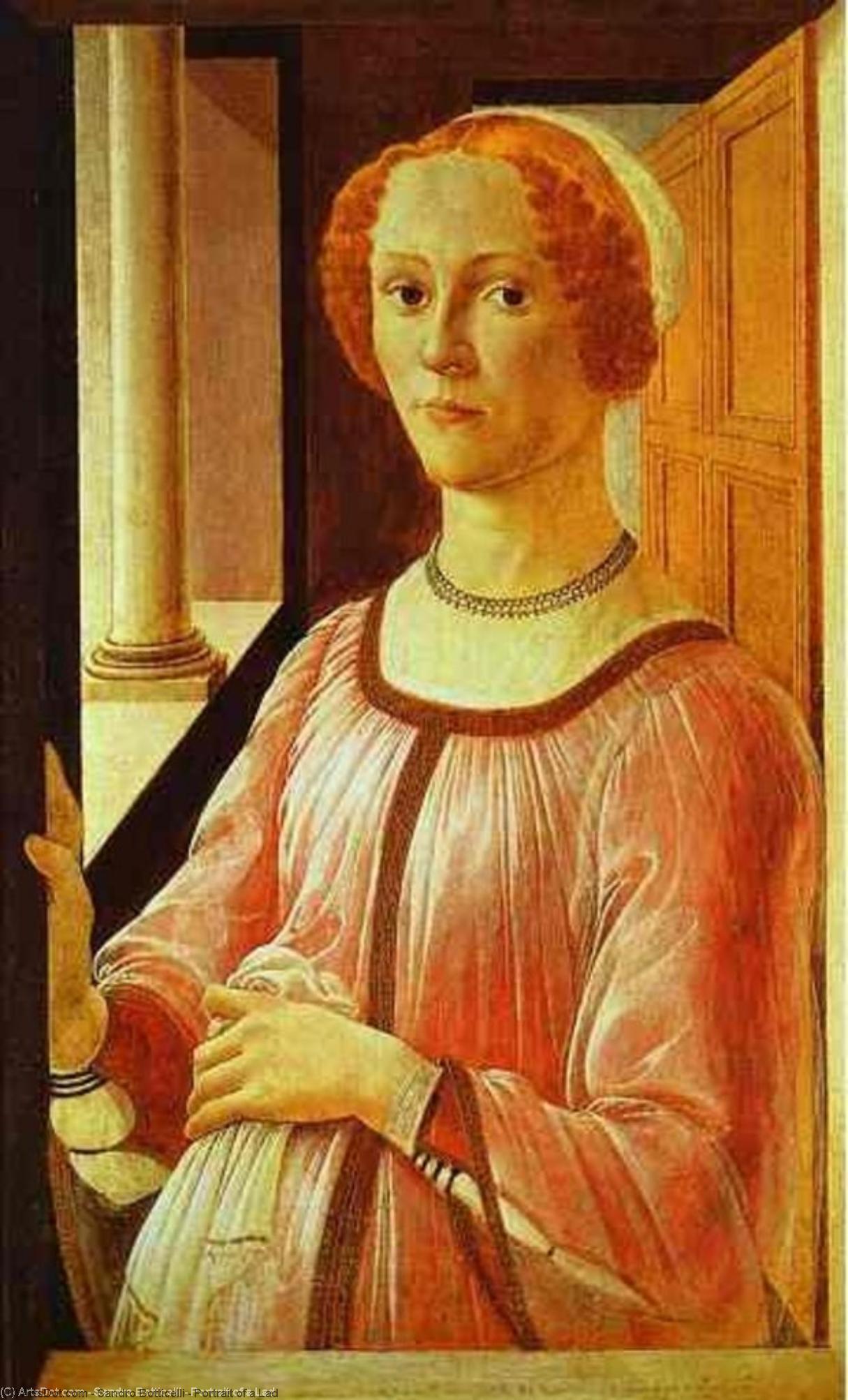
- Subject Matter: The portrait depicts a young man with strikingly long curls framing his face—a characteristic stylistic element prevalent throughout Botticelli’s oeuvre. His gaze is direct yet subtly melancholic, conveying a sense of contemplative seriousness that transcends mere physical appearance.
- Style & Technique: Botticelli's masterful brushwork distinguishes itself through its remarkable delicacy and precision. Employing tempera on poplar wood—a technique favored by Florentine artists of the time—he achieves an ethereal luminosity that captures the subtle nuances of skin tone and drapery folds. The artist’s meticulous attention to detail is evident in every aspect of the composition, from the meticulously rendered hair texture to the carefully positioned cloak.
- Historical Context: Created during Lorenzo de' Medici’s reign—a period marked by artistic patronage and intellectual ferment—the portrait reflects the humanist spirit that permeated Florentine society. Botticelli’s work aligns with the broader Renaissance preoccupation with reviving classical ideals of beauty and virtue, mirroring the burgeoning interest in human anatomy and psychological realism.
- Symbolism: The dark background serves to heighten the impact of the subject's face and clothing—a compositional strategy common in portraiture during the Renaissance. The red tunic and gold trim symbolize nobility and wealth, while the black cloak embodies solemnity and contemplation. Scholars believe that Botticelli may have intended to portray Simonetta Vespucci, a celebrated Florentine beauty who captivated Giuliano de’ Medici—further enriching the painting's symbolic significance.
- Emotional Impact: *Portrait of a Lad* transcends mere representation; it aspires to evoke an emotional response in the viewer. Botticelli’s subtle portrayal of melancholy and introspection invites contemplation on themes of youth, beauty, and inner life—capturing the essence of Renaissance humanism at its finest.
Botticelli's Influence: Shaping Artistic Vision Across Centuries
Sandro Botticelli’s *Portrait of a Lad* exerted considerable influence on subsequent artists, notably Leonardo da Vinci and Raphael. Its emphasis on idealized beauty—characterized by elongated figures and graceful poses—became a cornerstone of High Renaissance artistic style. Artists sought to emulate Botticelli's refined technique and expressive subtlety, demonstrating the enduring legacy of his groundbreaking work. The painting’s exploration of psychological depth—particularly its portrayal of contemplative emotion—served as an inspiration for generations of painters striving to capture the complexities of human experience.
Where to Experience Botticelli’s Legacy
A reproduction of *Portrait of a Lad* can elevate any interior space with a touch of Renaissance elegance. You can acquire a high-quality handmade oil painting at https://ArtsDot.com, where artisans meticulously recreate Botticelli's iconic image using traditional methods and archival pigments—preserving the artist’s original vision for discerning collectors and art enthusiasts alike. Witnessing this masterpiece in person is possible at Museo Ospedale degli Innocenti in Florence, Italy – a journey into the heart of Renaissance artistic brilliance.