A Study in Dignified Restraint: Sandro Botticelli’s Portrait of a Man
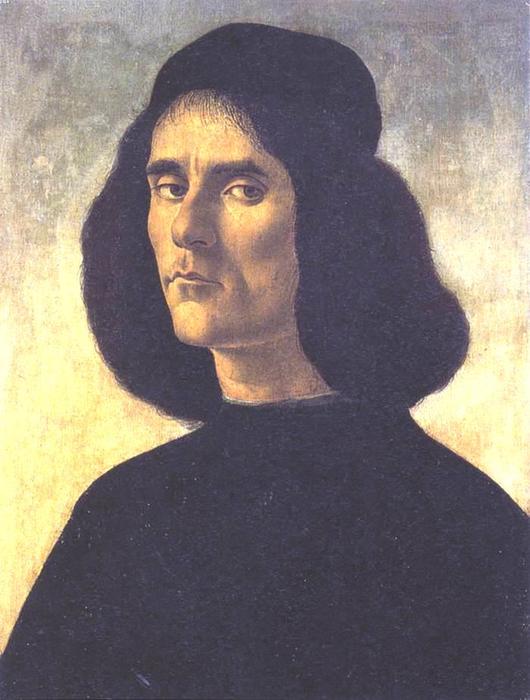
Botticelli's "Portrait of a Man," executed sometime around 1480, stands as an exemplar of Florentine Renaissance portraiture—a genre characterized by its subtle elegance and profound psychological depth. Unlike the flamboyant commissions favored by some contemporaries, this painting embodies Botticelli’s signature aesthetic: restrained grace tempered with meticulous observation. The subject himself is presented in a pose that speaks volumes about composure and intellectual contemplation; his gaze directs outwards, engaging the viewer with an unwavering seriousness that transcends mere likeness.
- Subject Matter & Composition: The portrait depicts a man of considerable stature—likely Giuliano de’ Medici, grandson of Lorenzo il Magnifico—seated in a dark robe against a muted background. Botticelli skillfully employs chiaroscuro – the dramatic interplay of light and shadow – to sculpt the figure's form, emphasizing musculature and conveying an impression of solidity and strength despite the subdued palette.
- Style & Technique: Botticelli’s technique is notable for its delicate brushwork and meticulous attention to detail. He utilizes thin layers of pigment applied with glazing—a process that enhances luminosity and creates a velvety surface texture—resulting in an image imbued with remarkable subtlety. The artist's mastery lies not merely in reproducing the visual appearance but in capturing the essence of his subject’s character.
Historical Context: Renaissance Ideals Embodied
Painted during the height of Florentine artistic achievement, “Portrait of a Man” reflects the humanist values prevalent at the time—a fascination with human anatomy and psychology alongside an admiration for classical ideals of beauty and virtue. Botticelli’s work aligns perfectly with the burgeoning interest in portraying individuals as rational beings capable of intellectual contemplation, mirroring the philosophical currents circulating within Renaissance Florence.
Symbolism & Emotional Resonance
The muted color scheme—primarily shades of gray and beige—contributes to the painting's contemplative mood. These colors evoke a sense of solemn dignity and convey an unspoken awareness of mortality. Botticelli’s masterful depiction of facial expression—the man’s stern gaze—suggests inner fortitude and intellectual seriousness, inviting viewers to ponder upon themes of honor, duty, and contemplation.
Botticelli's Legacy: An Icon of Renaissance Portraiture
“Portrait of a Man” remains an enduring testament to Botticelli’s artistic genius. Its understated beauty and psychological insight continue to captivate audiences today—a reflection of the artist’s ability to distill complex human emotions into a single, unforgettable image. As a cornerstone of Florentine Renaissance art history, it serves as inspiration for interior designers seeking timeless elegance and collectors valuing exceptional craftsmanship.