The Majesty of the Baroque: A Gaze into Royal Grandeur
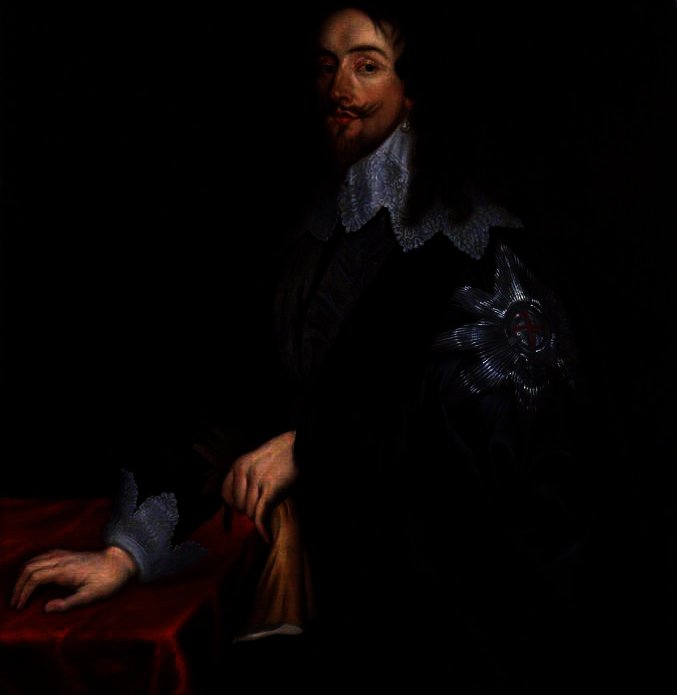
In the presence of Sir Anthony van Dyck’s Portrait of King Charles I, one does not merely observe a painting; one encounters the very essence of sovereign authority. This masterpiece serves as a profound testament to the power of the Baroque era, where light and shadow dance in a choreographed display of drama known as chiaroscuro. The subject is presented with an effortless dignity, his figure emerging from a deep, velvety darkness that pushes him toward the viewer, creating an intimate yet imposing connection. Every brushstroke by the Flemish master works in harmony to capture not just the likeness of a monarch, but the weight of a crown and the solemnity of a reign.
The technique employed here is nothing short of virtuosic. Van Dyck, a protégé of Peter Paul Rubens, infused his work with a refined elegance that moved away from Rubens' muscular dynamism toward a more sophisticated, elongated grace. Through meticulous oil painting techniques, the artist achieves a breathtaking variety of textures: the crisp, architectural stiffness of the lace ruff, the heavy, lustrous sheen of silk drapery, and the soft, lifelike warmth of human skin. The play of light across the King’s features creates a sense of three-dimensional volume, making the portrait feel less like a flat canvas and more like a window into the seventeenth-century English court.
Symbolism and the Language of Power
Beyond the surface beauty lies a complex tapestry of symbolic meaning designed to communicate status and legitimacy. The elaborate collar and the intricate emblem positioned upon the King's chest are not merely decorative flourishes; they are carefully curated signifiers of rank, lineage, and political allegiance. In an age where visual literacy was paramount, every fold of fabric and every glint of light on a jewel served to reinforce the divine right of kings. The composition, centered and stable, reflects the intended stability of the monarchy itself, while the dark, minimalist background ensures that no distraction interrupts the viewer's focus on the royal persona.
For the discerning collector or interior designer, this portrait offers more than historical interest; it provides a focal point of unparalleled sophistication. The somber tones and dramatic lighting make it an ideal centerpiece for a curated space, such as a formal study, a library, or a grand hallway. A high-quality reproduction of this work allows the timeless allure of Van Dyck’s brushwork to breathe life into modern interiors, bringing with it an atmosphere of historical depth and aristocratic refinement. To possess such an image is to invite the quiet, commanding elegance of the Baroque era into one's own surroundings.