Explore the profound influence of Caravaggio on Rubens' style.
Rubens: Бароковски мајстор познат по динамичним композицијама и живим бојама, као и по иконама као што су 'Склоњење Хреста' и 'Подноштво Хреста'. Истражите његов живот и уметност.
A Symphony of Light and Emotion: Exploring Rubens’ Amor and Psyche
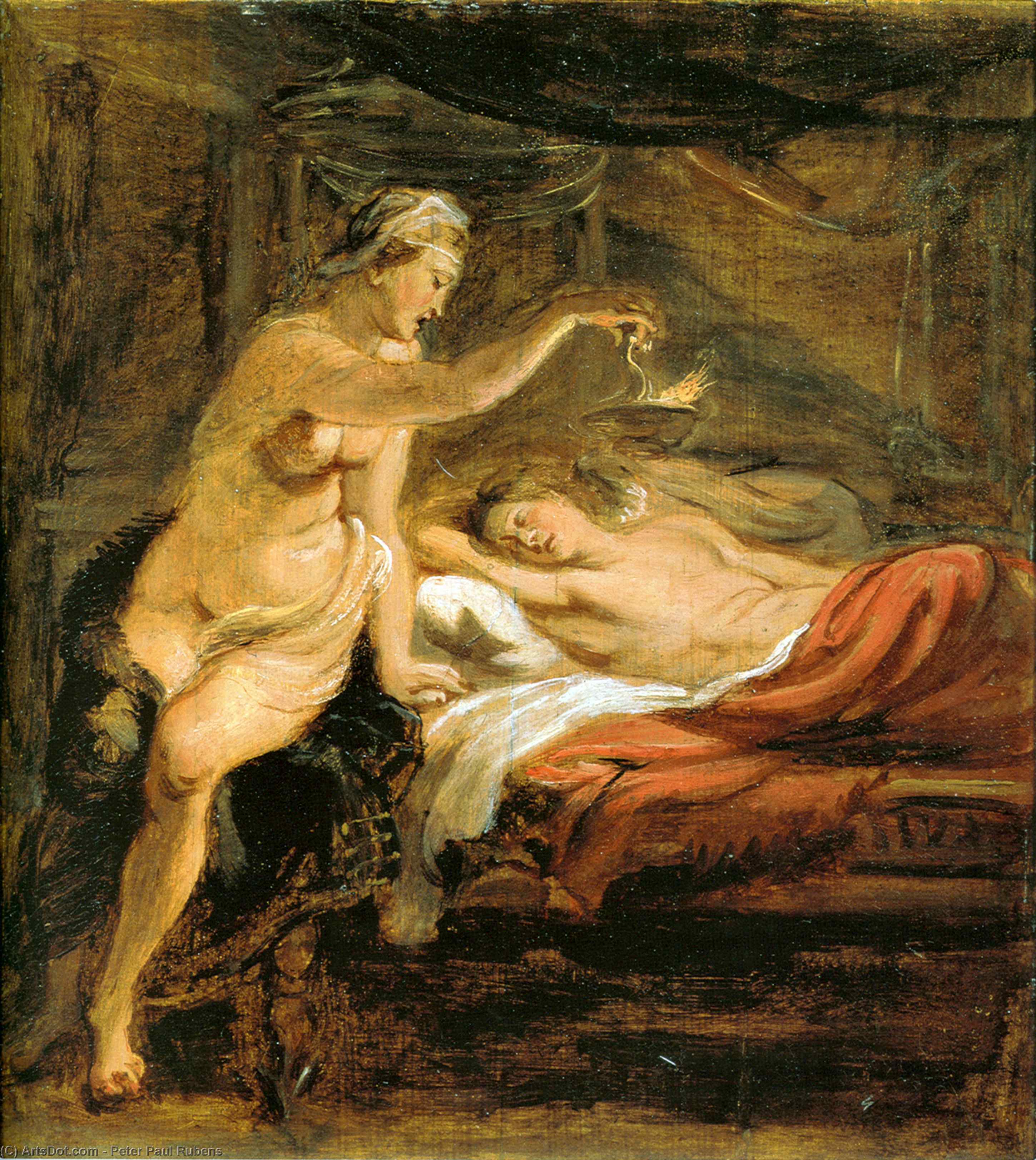
Sir Peter Paul Rubens, a titan amongst Baroque artists, didn't merely paint; he sculpted emotion onto canvas. His magnum opus, “Amor and Psyche,” transcends mere visual representation—it embodies the very spirit of his era, capturing a narrative steeped in classical mythology interwoven with Christian piety. Created around 1636 during Rubens’s prolific period in Antwerp, this monumental painting stands as a testament to his unparalleled mastery of technique and compositional brilliance.
Compositional Drama: A Dance Between Eros and Psyche
Rubens' genius lay in orchestrating movement and grandeur within seemingly restrained spaces. The scene unfolds with an arresting dynamism—two women dominate the foreground, their postures conveying intimacy and vulnerability. One woman leans towards the other, her hand delicately resting upon her head, symbolizing comfort and reassurance. This gesture speaks volumes about the relationship between love and devotion, mirroring themes prevalent in Renaissance humanist thought. Behind them lies a bed draped in sumptuous fabrics, where a sleeping figure represents Psyche—the embodiment of feminine purity and receptivity. The subtle inclusion of a horse adds an element of nobility and power, grounding the ethereal beauty of the women against a backdrop of earthly realism. Furthermore, a chair positioned near the foreground reinforces the sense of domestic tranquility juxtaposed with the unfolding drama.
Baroque Brilliance: Mastering Light and Color
Rubens’ distinctive Baroque style is immediately recognizable through his masterful manipulation of chiaroscuro—the dramatic interplay between light and shadow—and tenebrism—a technique that plunges the scene into darkness punctuated by intense highlights. These artistic devices aren't merely decorative; they serve to heighten emotional impact, drawing the viewer into the heart of the narrative. Rubens’ palette explodes with vibrant hues – reds dominate, symbolizing passion and desire – contrasted against cooler tones conveying serenity and contemplation. The artist meticulously layered pigments, achieving astonishing depth and luminosity that would have captivated audiences accustomed to theatrical visual experiences.
Classical Echoes: Mythological Narrative Elevated
“Amor and Psyche” draws heavily upon classical mythology, specifically the tale of Cupid’s love for Psyche—a princess transformed into a mortal woman by Zeus to protect her from his jealous wrath. Rubens skillfully adapts this narrative framework within a Christian context, exploring themes of redemption and divine grace. The painting reflects the humanist preoccupation with human psychology and emotion, mirroring the philosophical currents circulating throughout Europe during Rubens' lifetime. It’s a deliberate homage to artists like Caravaggio, who similarly employed dramatic lighting and emotive gestures to convey profound spiritual truths.
A Legacy Enduring Through Reproduction
ArtsDot.com recognizes the enduring fascination with Rubens’ artistic vision. Our meticulously crafted oil painting reproductions offer art enthusiasts the opportunity to experience the grandeur and emotional resonance of “Amor and Psyche” firsthand. Visit ArtsDot.com to explore stunning versions of this masterpiece, allowing you to bring a piece of Baroque history into your home or inspire creative projects. Explore "The Return of the Farm Workers from the Fields" and "Venus Frigida" alongside Amor and Psyche for a comprehensive appreciation of Rubens’ unparalleled artistic legacy.