A Glimpse into Regency Grandeur
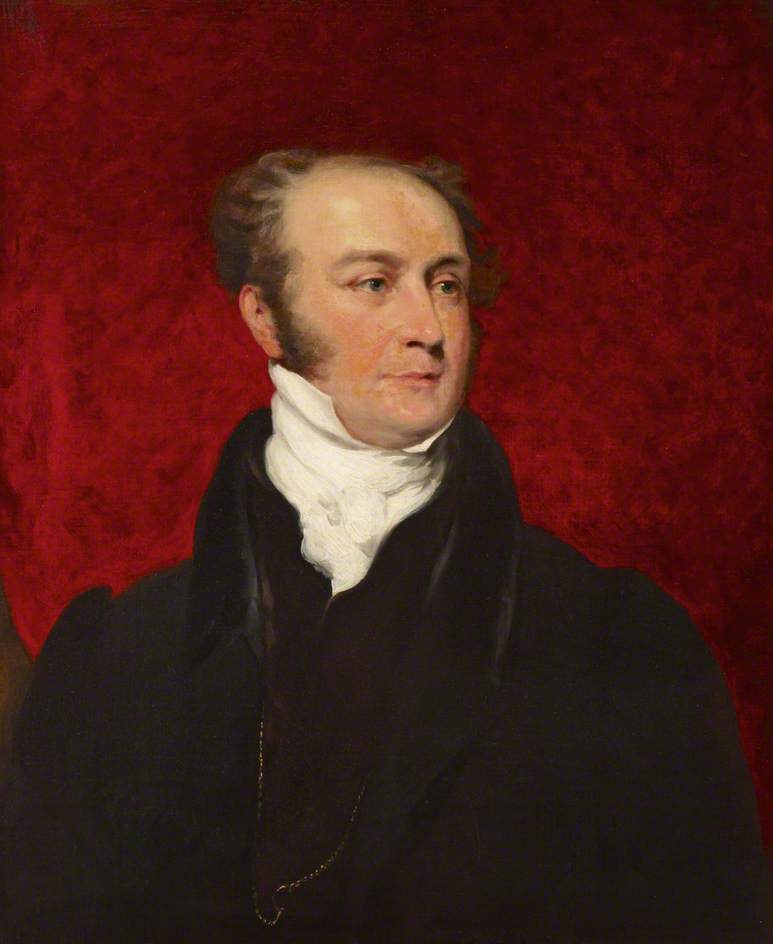
In the sweeping annals of British portraiture, few names command as much reverence as Sir Thomas Lawrence, the preeminent chronicler of the Regency era's glittering elite. His portrait of Sir Astley Paston Cooper, executed around 1820, serves as a profound window into an age where intellectual rigor met aristocratic splendor. The sitter, a man whose scientific contributions to anatomy and botany were matched only by his social standing, is captured not merely as a figure of authority, but as a soul steeped in the contemplative spirit of his time. To gaze upon this work is to encounter the very essence of the early 19th-century gentleman—a period defined by a burgeoning curiosity about the natural world and an unwavering commitment to refinement.
The painting transcends simple documentation, employing the hallmarks of Romantic portraiture to evoke a deep psychological resonance. Lawrence was a master of capturing the inner life of his subjects, moving beyond mere physical likeness to suggest the weight of thought and the depth of character. Through his lens, we see Cooper not just as a prominent figure of the Royal Society, but as a man of profound intellect, his expression carrying a subtle gravity that invites the viewer into a silent dialogue with history.
Mastery of Light and Texture
The technical brilliance of this piece lies in Lawrence’s sophisticated use of chiaroscuro—the dramatic interplay between light and shadow. This technique, inherited from the great traditions of Reynolds and West, is utilized here to sculpt Cooper’s features with remarkable three-dimensionality. The light seems to emanate from within the canvas, illuminating the subtle gradations of skin tone and the crisp, white elegance of his cravat, while deep shadows retreat into the background to create an atmosphere of mystery and importance.
Every brushstroke serves a purpose in building the painting's luminous texture. Lawrence’s ability to layer oil paints allows for a breathtakingly tactile experience; one can almost feel the heavy weight of the formal attire and the delicate smoothness of the skin. The artist’s meticulous handling of the drapery folds creates a sense of movement and depth, ensuring that the composition remains dynamic. For the discerning collector or interior designer, such technical mastery offers a centerpiece of unparalleled sophistication, capable of anchoring a room with its rich, painterly energy.
Symbolism and the Art of Presence
Beyond the individual, the portrait functions as a symbolic tapestry of Regency values. The inclusion of the deep red curtain in the background is far from incidental; it acts as a theatrical device, signaling prestige, power, and the grandeur of the royal court. This crimson backdrop provides a striking contrast to the sitter's formal attire, pushing the figure forward and demanding the viewer's attention. It creates a sense of staged importance, suggesting that the subject exists within a sphere of high culture and significant influence.
For those looking to integrate such a masterpiece into a curated space, the emotional impact is profound. The painting offers more than just aesthetic beauty; it provides a sense of continuity with the past. Whether placed in a stately library, a formal dining room, or a contemporary study, this reproduction brings with it an aura of scholarly elegance and timeless dignity. It is an invitation to celebrate the intersection of science, art, and the enduring legacy of the British Enlightenment.