A Vision of Regency Authority
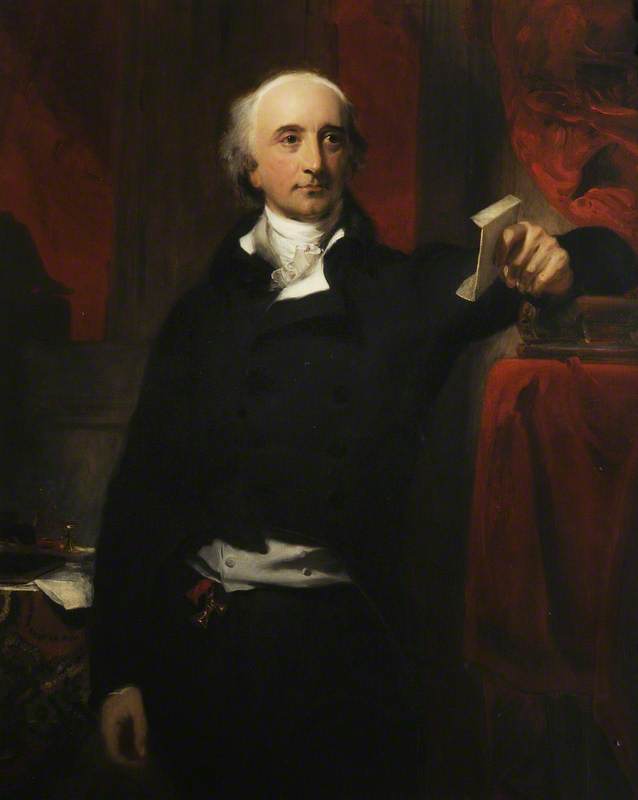
In the grand tapestry of British portraiture, few works capture the intersection of political gravity and artistic elegance as profoundly as Sir Thomas Lawrence’s 1803 masterpiece, William Windham. This portrait is far more than a mere recording of a statesman's features; it is a compelling visual narrative of power, intellect, and the pervasive influence of aristocratic patronage during the Napoleonic era. As the viewer encounters Windham, they are met with a presence that is simultaneously commanding and deeply thoughtful. The subject, a man who navigated the turbulent waters of British politics as Lord Lieutenant of Ireland and Secretary for War, is rendered with a piercing gaze that suggests a mind constantly engaged with the weight of national responsibility. Through Lawrence's lens, we do not just see a politician; we witness the very embodiment of Regency-era leadership.
The technical brilliance of the piece lies in Lawrence’s adherence to the Beaux Arts ideal, a style that sought to harmonize clarity of form with an idealized sense of beauty. Utilizing oil on canvas, the artist employed a sophisticated glazing technique—a meticulous process of layering translucent colors to build depth and luminosity. This method allows for an ethereal glow to emanate from the skin tones, contrasting beautifully against the rich, heavy textures of the drapery. Every fold of fabric is rendered with painstaking accuracy, inviting the eye to linger on the tactile reality of the sitter's attire. The composition is further enriched by a masterful use of chiaroscuro, where subtle nuances of light and shadow create a palpable sense of three-dimensional volume, pulling the subject forward from the deep, atmospheric recesses of the background.
Symbolism and the Art of Presence
Beyond the technical execution, the portrait is steeped in symbolism that speaks to Windham’s intellectual stature. The inclusion of a book held within his hand serves as a quiet but potent emblem of his erudition and the Enlightenment values of rationality and order that defined his era. This detail transforms the portrait from a display of social rank into a tribute to the power of knowledge. The background, featuring deep red curtains, adds a theatrical flourish that evokes the grandeur of a high-status study or a formal hall, reinforcing the subject's connection to the corridors of power. These crimson tones do not merely provide color; they inject a sense of warmth and passion into an otherwise somber and dignified composition.
For the discerning collector or interior designer, this work offers an unparalleled opportunity to introduce a sense of historical prestige and intellectual depth into a space. The painting’s ability to command attention through its balanced composition and luminous palette makes it a centerpiece capable of anchoring a room with sophistication. Whether placed in a formal library, a stately study, or a contemporary gallery setting, a high-quality reproduction of this Lawrence classic brings with it the enduring spirit of the British Regency. It is an invitation to contemplate a bygone age of elegance, where every brushstroke was a testament to the dignity of the human character and the enduring legacy of political service.