Otkrijte Sir Vilijama Nikolsona (1872-1949), britanskog slikara poznatog po impresivnim portretima, elegantnim mrtvim prirodama i inovativnim drvorezima. Istražite njegovo partnerstvo sa Beggarstaffsom i trajni uticaj na umetnost 20. veka.
Otkrijte umetnost i istoriju u Muzeju Fitzwilliam u Kembriđi! Istražite svetske kolekcije od drevnog Egipta do modernih majstorskih dela – ulaz je besplatan!
Ujedinjeno Kraljevstvo
Kembriđi
Muzej Fitzwilliam
Egiptovski artefakti
Extensive
Umetnost i antikviteti
1816
Isključivo drevnoegipatski artefakti.
1
Na čemu se primarno fokusira kolekcija Muzeja Fitzwilliam?
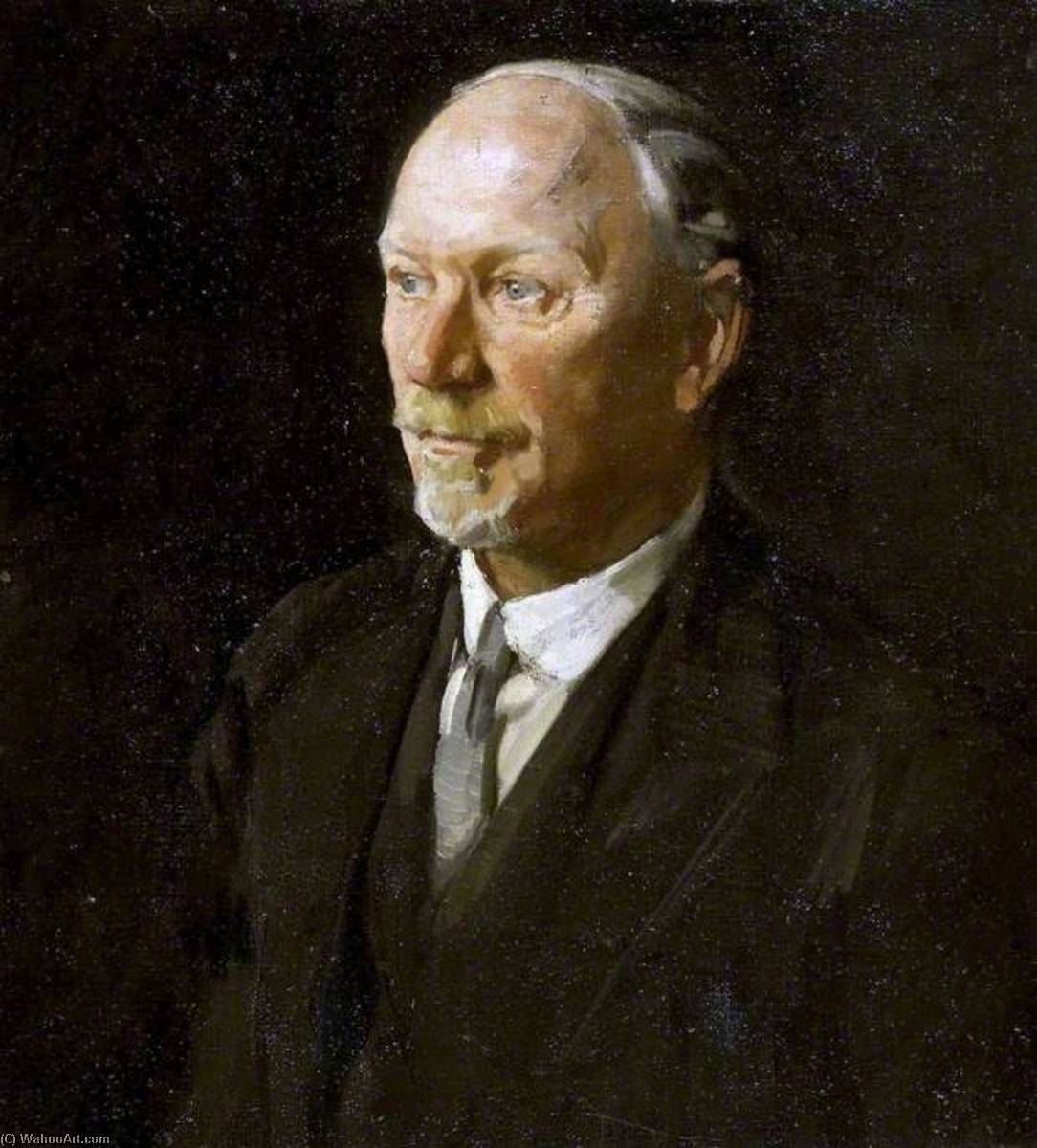
A Portrait of Dignity: William Nicholson’s Reverent Depiction of Field Marshal Smuts
Field Marshal J. C. Smuts (1879 – 1946), a towering figure in British military leadership and political thought, is immortalized in Sir William Nicholson’s masterful oil painting from 1923. This artwork transcends mere representation; it embodies a profound meditation on age, wisdom, and the enduring spirit of resilience—qualities that resonate powerfully within the artist's oeuvre and capture the essence of his era. Located at The Fitzwilliam Museum in Cambridge, this piece stands as a testament to Nicholson’s ability to distill complex character into a strikingly elegant visual form.
- Subject Matter & Context: Smuts served as Commander-in-Chief during World War I and championed the Balfour Declaration, establishing the British Mandate for Palestine. Nicholson's portrait reflects this historical significance, portraying Smuts not merely as a military strategist but as an intellectual and statesman grappling with weighty responsibilities.
- Style & Technique: Nicholson’s style is firmly rooted in realism, yet imbued with a subtle expressive quality achieved through his distinctive impasto technique. Thickly applied paint creates palpable texture—particularly noticeable on Smuts' face and clothing—drawing the viewer into an immersive experience of surface detail.
- Color Palette & Composition: The subdued palette—dominated by browns, grays, and whites—contributes to a mood of solemn contemplation. Nicholson employs careful compositional balance, centering Smuts’ head and shoulders within the frame, emphasizing his gaze and conveying an aura of quiet dignity.
- Symbolism & Emotional Impact: The painting speaks volumes about the passage of time and the preservation of inner strength. Wrinkles etched onto Smuts' face serve as visual markers of experience—a reminder that wisdom accumulates through confronting life’s challenges. Nicholson captures not just a likeness but an emotional state, conveying respect for Smuts’ character and legacy.
- Artist Background & Legacy: William Nicholson (1872 – 1949) was a pivotal figure in British art history, collaborating closely with Mabel Pryde and forging a celebrated partnership with James Pryde. His groundbreaking work explored themes of landscape, portraiture, and printmaking—establishing him as one of the foremost artists of his generation.
Further Exploration: To delve deeper into Nicholson’s artistic vision and Smuts' historical importance, consider visiting The Sir William Dunn School of Pathology in Oxford – a historic institution dedicated to advancing immunological research. Its legacy mirrors Nicholson’s commitment to meticulous observation and intellectual curiosity.