Otkrijte vibrantne neoimpresionističke slike Théo van Rysselberghea! Istražite pejzaže, portrete i marokanske scene – ključna figura grupe Les XX koja spaja svetlost i boju. Pionir modernog slikarstva.
Discover Belgian art from the 19th & 20th centuries at Musée d'Ixelles in Brussels! Explore Impressionism, Symbolism, and a unique Toulouse-Lautrec poster collection. Currently closed for renovation, reopening in 2025.
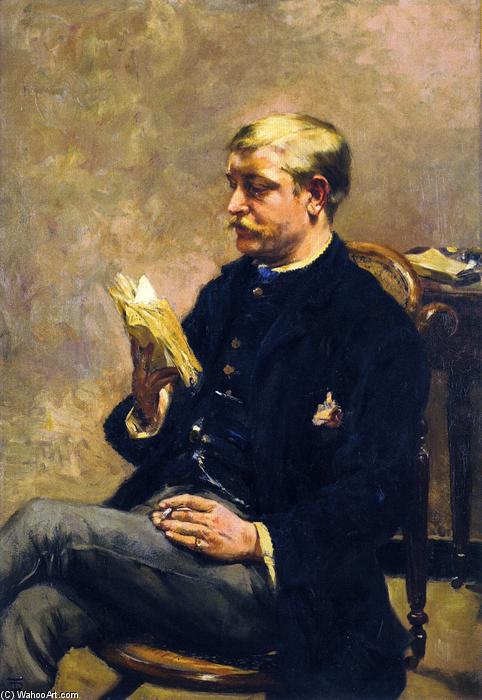
Octave Maus Reading: A Portrait of Quiet Contemplation by Theo van Rysselberghe
Theo van Rysselberghe’s 1883 painting, “Octave Maus Reading,” is more than just a portrait; it's an invitation to pause and observe the profound beauty of stillness. Housed within the Musée d'Ixelles in Brussels, this oil on canvas offers a glimpse into the private world of a gentleman lost in thought, rendered with the artist’s signature blend of realism and evocative light. Measuring 55 x 38 cm, the painting immediately draws the viewer in with its serene atmosphere and meticulous attention to detail.
- Subject Matter: The central figure, Octave Maus, is depicted seated comfortably in a chair, absorbed in reading – whether a book or newspaper remains subtly ambiguous. This simple act of reading becomes imbued with significance, representing intellectual pursuit, introspection, and the quiet pleasures of solitude.
- Technique & Style: Van Rysselberghe’s masterful use of warm earth tones—ochres, browns, and muted reds—creates a sense of deep comfort and tranquility. His brushwork is delicate yet precise, allowing light to softly illuminate the subject's face and clothing, contributing to the painting’s overall feeling of intimacy. The artist’s approach aligns perfectly with his post-impressionist style, prioritizing emotional resonance over strict representation.
Historical Context & Artistic Influences
Created during a period of significant artistic transition – bridging the late 19th century and the dawn of the 20th – “Octave Maus Reading” reflects the evolving tastes of the time. Van Rysselberghe, influenced by Impressionism’s focus on light and color, and Neo-Impressionism's use of complementary hues, sought to capture not just a likeness but also an emotional state. His Belgian artistic training at the Academy of Ghent under Theo Canneel provided him with a solid foundation in traditional realism, which he then skillfully adapted to his own unique vision. The inclusion of details like the dining table and scattered books adds depth to the scene, suggesting a space of intellectual engagement and leisurely contemplation – a common theme within Belgian artistic circles of the era.
Symbolism & Emotional Impact
Beyond its realistic depiction, “Octave Maus Reading” possesses a subtle symbolic weight. The act of reading itself is laden with meaning, representing knowledge, escape, and perhaps even a yearning for something beyond the immediate present. The carefully arranged background – the two chairs, the clock, and the scattered books – contributes to the painting’s sense of order and tranquility, reinforcing the feeling of peaceful contemplation. Van Rysselberghe's ability to evoke such a profound emotional response through seemingly simple subject matter is a testament to his artistic skill and sensitivity.
Owning a Piece of Art History
Handmade oil painting reproductions of “Octave Maus Reading” are now available from ArtsDot.com, offering art lovers the opportunity to bring this captivating post-impressionist masterpiece into their homes or offices. These meticulously crafted reproductions capture not only the visual details but also the emotional essence of Van Rysselberghe’s original work. Whether you're a seasoned collector, an interior designer seeking a touch of timeless elegance, or simply someone who appreciates beautiful art, this reproduction provides a unique and accessible way to experience the legacy of Theo van Rysselberghe.