Van Gog, holandski postimpresionista, poznat po delima poput 'Zvezdane noći' i 'Suncokreta'. Njegova ekspresivna tehnika i intenzivne boje revolucionarisale su umetnost i uticale na moderne pokrete.
Откријте уметничку душу Беча у Музеју Фолкунг! Гледајте ремек-дела Рафаела, Реmbrанта и Вермера, као и древна блага из Египта до Рима. Истарија и лепота на једном месту!
Есен Музеј, Фолкунг Музеј, Немачка уметност, Импресионизам, Експресионизам, Архитектура, Давид Чиперфилд, Паул Ј. Сацс, Карл Ернст Остухс
Откијте уметничку душу Беча у Художничком музеју! Гледајте ремек-дела Рафаела, Реmbrанта и
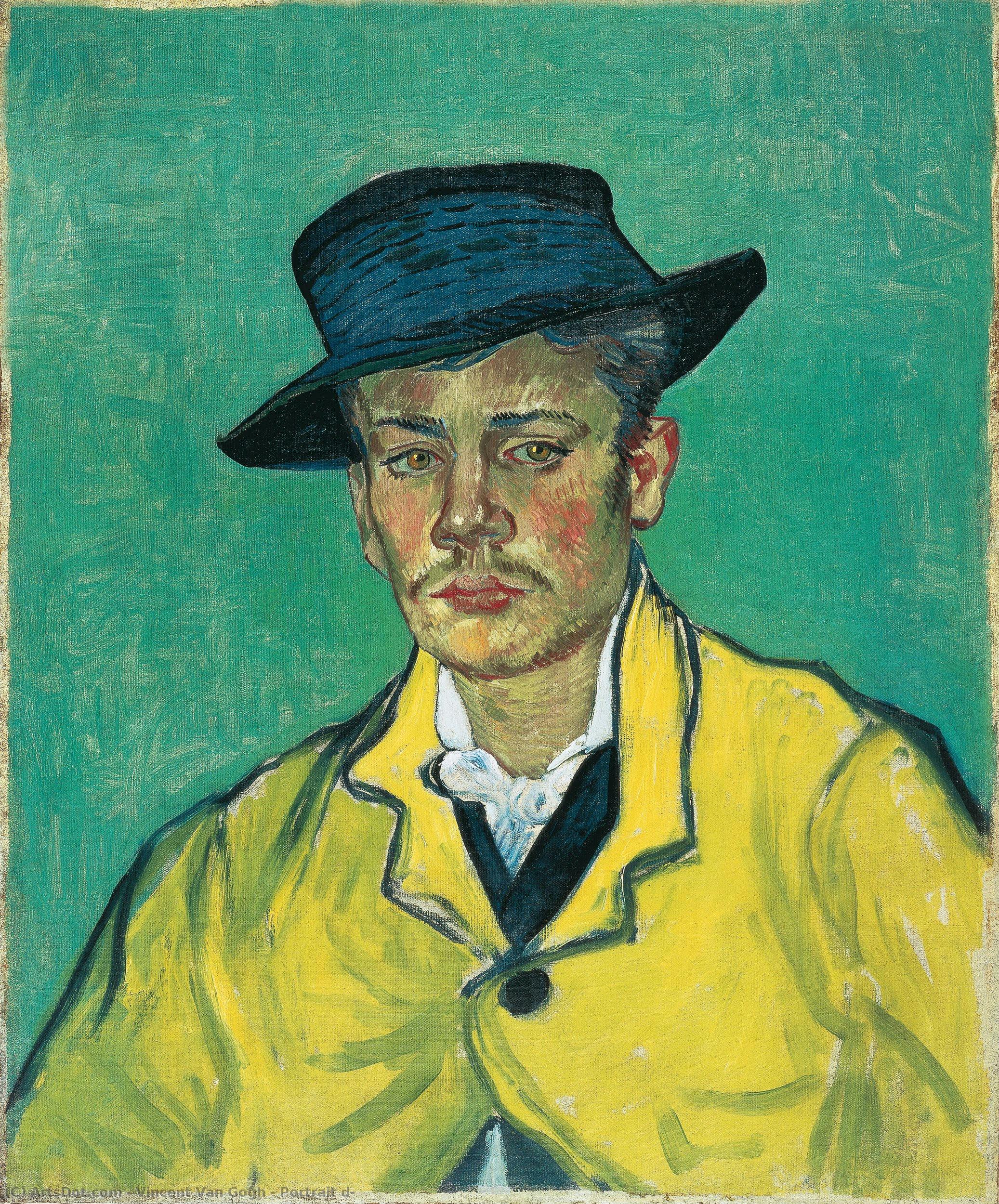
A Glimpse into Arlesian Life: Van Gogh's Portrait of Armand Roulin
Vincent van Gogh’s Portrait of Armand Joseph Desire Roulin, painted in December 1888 during his time in Arles, offers a remarkably intimate window into the everyday life of a working-class family. More than just a likeness, this painting embodies Van Gogh's burgeoning empathy and his deliberate attempt to capture not merely appearance but also character – a quality he relentlessly pursued throughout his tragically short career. The subject, Armand Roulin, the eldest son of postmaster Joseph Roulin, is presented with an uncommon directness, meeting the viewer’s gaze with a thoughtful, almost melancholic expression. This isn't the flamboyant self-portraiture that would later define Van Gogh’s style; instead, it’s a quiet observation, a moment frozen in time.
The painting’s composition is deceptively simple yet profoundly effective. The young man, dressed in a vibrant yellow jacket – a color often associated with optimism and energy within Van Gogh's palette – stands against a backdrop of ‘Veronese green,’ a rich, verdant hue that evokes the landscapes of Southern France. This carefully chosen background subtly elevates Armand’s presence, suggesting a connection to the land and its people. The lighting is soft and diffused, highlighting the planes of his face and emphasizing the seriousness in his eyes. Notice how Van Gogh utilizes short, broken brushstrokes – a hallmark of his impasto technique – to build texture and depth onto the surface of the canvas, creating a palpable sense of physicality.
The Painter’s Intimacy: A Friendship Forged in Observation
This particular portrait holds significant weight within Van Gogh's oeuvre. It was created shortly after he established a close friendship with Joseph Roulin and his family, who lived near the Yellow House in Arles where Van Gogh had hoped to establish an artist’s colony. The Roulins became frequent subjects of Van Gogh’s work; he painted numerous portraits of them, capturing their personalities and daily routines. Armand's preference for this version – it is believed to be the second iteration of a similar composition – suggests that Van Gogh had successfully connected with the young man, achieving a level of rapport rarely seen in his commissioned works. This intimacy is crucial to understanding the painting’s emotional resonance; it transcends mere representation and becomes a genuine expression of human connection.
Interestingly, this portrait predates the more turbulent period of Van Gogh's life, marked by increasing mental instability and artistic experimentation. It represents a time when his focus was primarily on observing and documenting the lives around him with a gentle, almost reverent approach. The deliberate simplicity of the pose and the directness of Armand’s gaze speak to this early phase of his development – a period characterized by a profound desire to understand and portray the world through honest observation.
Symbolism and Emotional Resonance
While seemingly straightforward, Portrait of Armand Joseph Desire Roulin is rich in subtle symbolism. The yellow jacket, as mentioned earlier, represents hope and vitality, but it also subtly hints at the potential for change and growth – a characteristic often associated with youth. Armand’s serious expression isn't one of defiance or anger; rather, it conveys a quiet thoughtfulness, perhaps reflecting the burdens and responsibilities of his age. The background, with its verdant hues, connects him to the land and the community he belongs to, grounding him in a tangible reality.
Ultimately, this portrait is a testament to Van Gogh’s ability to capture not just physical likeness but also the essence of a person's character. It’s a poignant reminder of his dedication to portraying the dignity and humanity of ordinary individuals – a commitment that continues to resonate with viewers today. A reproduction of this work offers a beautiful opportunity to bring a piece of Arlesian life into your home, capturing the quiet strength and thoughtful gaze of a young man caught in the currents of history.