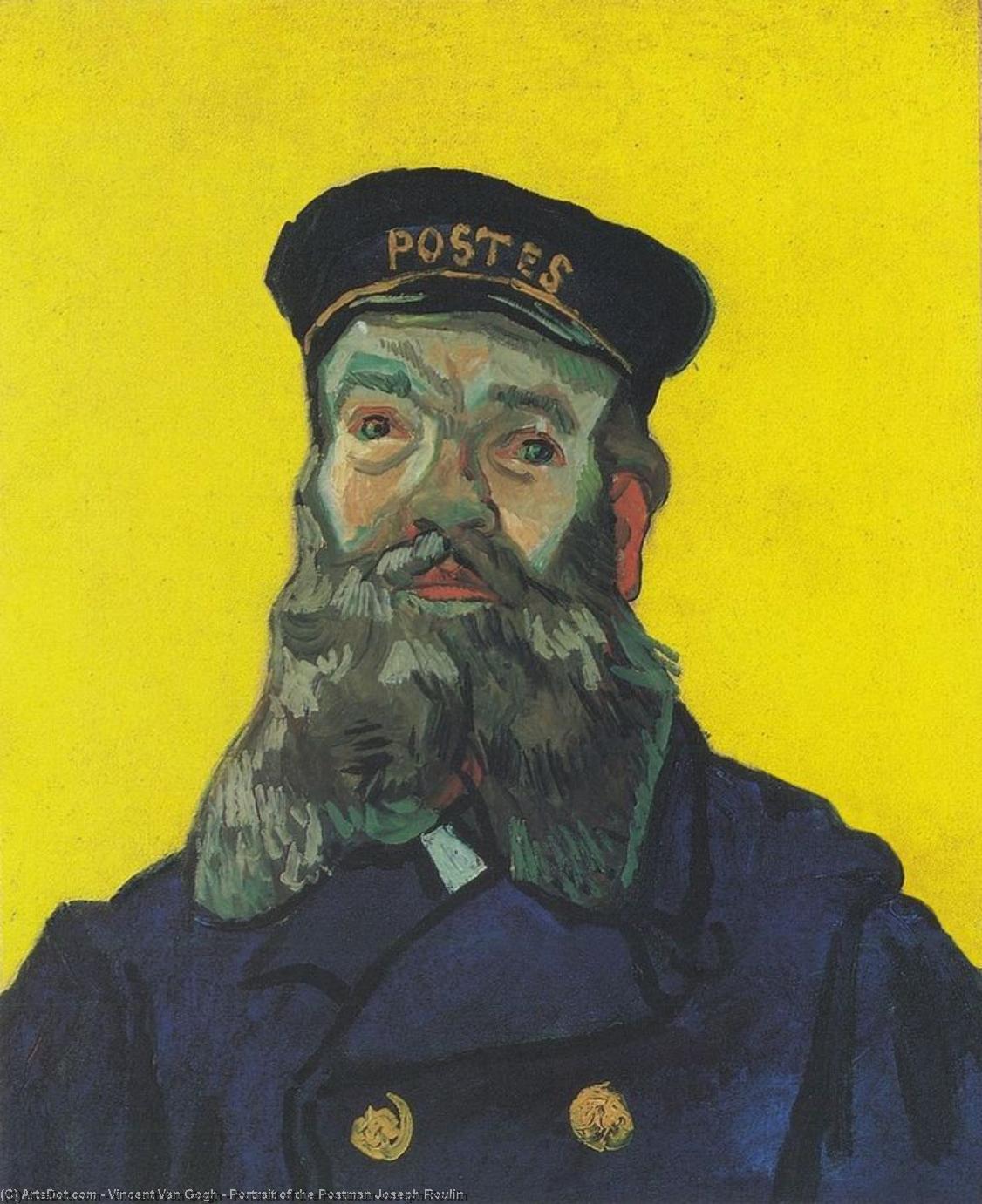
Portrait of the Postman Joseph Roulin
Vincent van Gogh’s Portrait of the Postman Joseph Roulin stands as a testament to Van Gogh’s profound ability to capture human emotion and social reality within the framework of post-impressionism. Completed in 1889 during his stay in Arles, France – a period marked by both artistic fervor and psychological turmoil – this painting offers a glimpse into the artist's enduring fascination with ordinary subjects and his masterful use of color and brushwork.
A Window Into Van Gogh’s World
The portrait depicts Joseph Roulin, a postman who served as a steadfast companion to Van Gogh during his time in Arles. More than just a likeness, Roulin embodies the values of simplicity, honesty, and resilience – qualities that resonated deeply with Van Gogh's artistic vision. The artist meticulously rendered Roulin’s face, capturing subtle expressions of contemplation and conveying a sense of quiet dignity.
Technique and Style: Bold Strokes and Vibrant Color
Executed in oil on canvas, Portrait of the Postman Joseph Roulin exemplifies Van Gogh’s signature style—characterized by energetic brushstrokes and a palette brimming with vibrant hues. Thick impasto creates textural depth, bringing forth an immediacy that transcends mere representation. The artist skillfully blended shades of yellow, orange, and red to illuminate Roulin's face and attire, mirroring the warmth and vitality of the surrounding environment.
Symbolism: Beyond Appearance
The inclusion of Roulin’s postal hat bearing the inscription “Postes” is laden with symbolic significance. It speaks to Van Gogh’s admiration for labor—particularly honest manual work—and his belief in its moral virtue. Furthermore, the flowers adorning Roulin's waistcoat serve as a reminder of beauty and resilience amidst hardship – themes that permeate throughout Van Gogh’s oeuvre.
Location and Legacy
Currently housed at the Kunstmuseum Winterthur in Switzerland, Portrait of the Postman Joseph Roulin continues to inspire artists and art enthusiasts alike. Its enduring appeal lies in its ability to convey a profound human connection—a celebration of everyday life imbued with artistic brilliance.