Van Gog, holandski postimpresionista, poznat po delima poput 'Zvezdane noći' i 'Suncokreta'. Njegova ekspresivna tehnika i intenzivne boje revolucionarisale su umetnost i uticale na moderne pokrete.
Откријте Музеј Кролер-Милер: Задивљујући музеј у Националном парку Хоге Велеве са највећим колекцијама Вагхона и дивним скулптуром!
Музеј Кролер-Милер, Вагхон, Отерло, Ниједерландска, Скулптурална градина, Уметничка колекција, Модерна уметност, Импресионизам, Архитектура, Хенри ван де Веле
Музеј Кролер-Милер, КММ, Музеј Кролер-Милер државни
Ниједерландска
Бенно Темпел
Отерло
Музеј Кролер-Мил
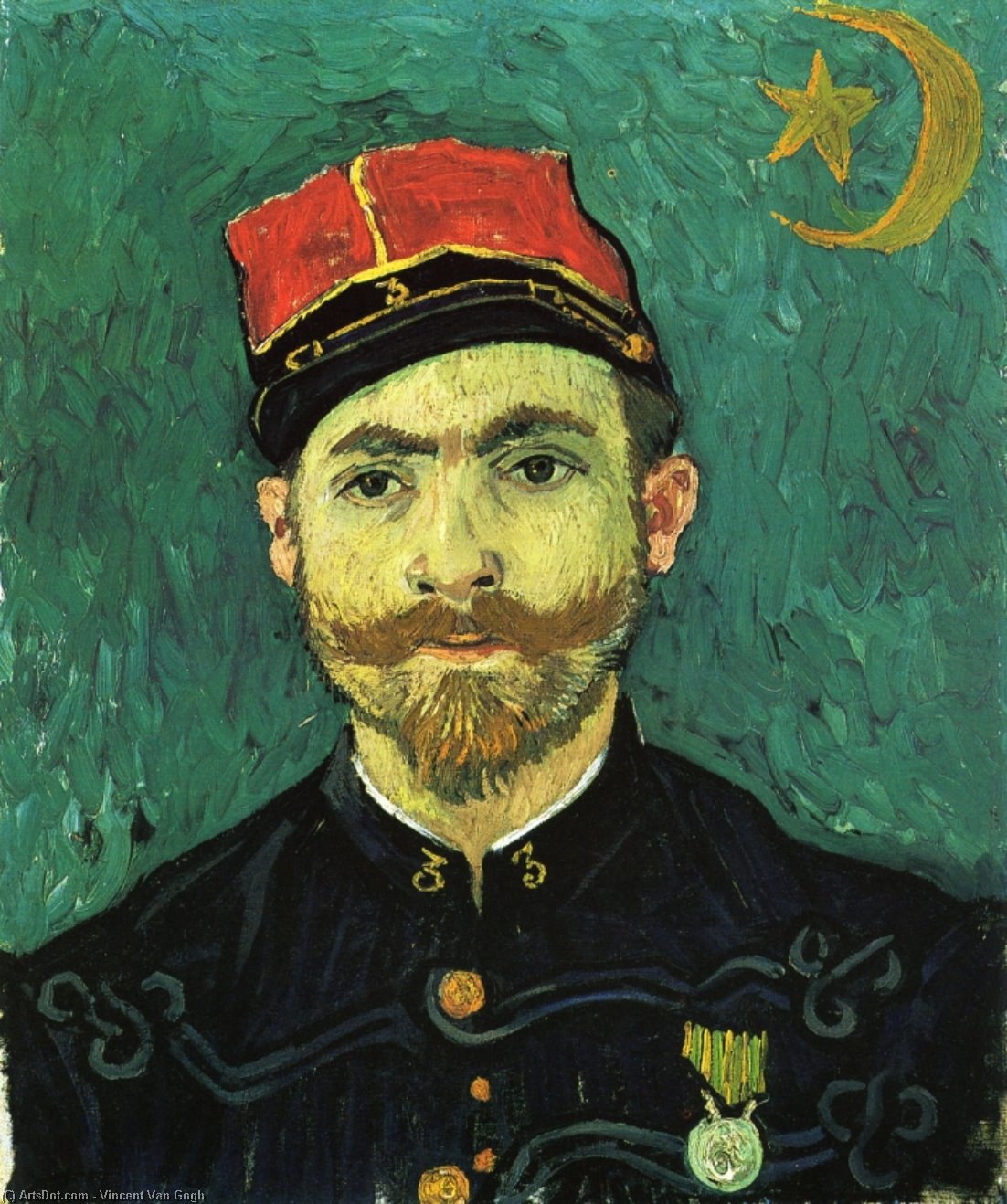
A Captivating Portrait: Unveiling Van Gogh’s “The Lover, Portrait of Paul-Eugène Milliet”
Vincent van Gogh's "The Lover," a portrait of Lieutenant Paul-Eugène Milliet painted in 1888 during his prolific Arles period, stands as an emblem of Post-Impressionist artistic innovation and profound emotional resonance. More than just a likeness, it’s a distillation of Van Gogh’s vision—a quest to capture not merely what he saw but how the very essence of light and landscape imbued him with feeling.
Subject & Narrative: The Quiet Dignity of Observation
This striking oil on canvas depicts Milliet, a lieutenant serving in the French army amidst the vibrant hues of southern France. Their friendship blossomed during this formative time, cementing Milliet’s role as both a muse and a companion to Van Gogh—a relationship that fueled his artistic explorations and informed his stylistic choices. Unlike many portraits of his era, “The Lover” eschews theatrical grandeur; instead, it radiates an understated elegance rooted in attentive gaze and quiet strength. As Van Gogh himself noted Milliet’s "jaunty" demeanor, recognizing him as an ideal model for a painting celebrating love—a gesture hinting at the artist's own preoccupation with intimacy and connection.
Style & Technique: Bold Brushstrokes and Harmonious Color
“The Lover” exemplifies Van Gogh’s evolving Post-Impressionist style. While retaining elements of realism in Milliet’s facial features, the painting abandons meticulous detail for expressive brushwork—a technique characterized by loose, swirling strokes that prioritize texture and depth. The dominant green background serves as a grounding counterpoint to the bold reds of Milliet's hat and jacket, drawing the eye directly to his face. Van Gogh skillfully manipulates color, layering hues with deliberate precision to convey emotion rather than simply reproducing visual reality.
Historical Context & Artistic Significance: Arles Under Impressionist Influence
Created during a period of intense artistic experimentation—a time when Van Gogh sought to transcend the limitations of Impressionism and forge his own distinctive path—this portrait reflects his fascination with capturing the spirit of place. The influence of Arles’s landscapes is palpable, informing Milliet's posture and contributing to the painting’s overall mood. Recognized early on by Helene Kröller-Müller, a visionary art collector who championed Van Gogh’s legacy, “The Lover” resides today at the Kröller-Müller Museum in Otterlo—a testament to its enduring beauty and artistic importance.
Emotional Impact & Symbolism: A Portrait of Quiet Confidence
"The Lover" transcends mere representation; it communicates a palpable sense of serenity and intellectual curiosity. Milliet’s direct gaze invites contemplation, conveying an inner stillness that belies the turbulent emotions simmering beneath the surface of Van Gogh's own life. The meticulous details—the scarlet hat adorned with two stars, the azure jacket embellished with gold buttons—are not merely decorative; they symbolize Milliet’s military rank and status, adding layers of meaning to the portrait and reflecting the romantic idealism prevalent during his time.
For Art Lovers & Collectors: “The Lover” is more than just a beautiful painting; it's a glimpse into the soul of Vincent van Gogh—a testament to his unwavering dedication to artistic expression and an enduring symbol of Post-Impressionist innovation. Owning a high-quality reproduction allows you to experience the transformative power of Van Gogh’s vision firsthand.
For Interior Designers: This portrait's rich color palette and compelling composition lend themselves beautifully to contemporary interior spaces—creating focal points in living rooms, studies, or dining areas. Its relatively modest dimensions (60 x 49 cm) ensure it complements a variety of aesthetic sensibilities.