Van Gog, holandski postimpresionista, poznat po delima poput 'Zvezdane noći' i 'Suncokreta'. Njegova ekspresivna tehnika i intenzivne boje revolucionarisale su umetnost i uticale na moderne pokrete.
Откријте Музеј Кролер-Милер: Задивљујући музеј у Националном парку Хоге Велеве са највећим колекцијама Вагхона и дивним скулптуром!
Музеј Кролер-Милер, Вагхон, Отерло, Ниједерландска, Скулптурална градина, Уметничка колекција, Модерна уметност, Импресионизам, Архитектура, Хенри ван де Веле
Музеј Кролер-Милер, КММ, Музеј Кролер-Милер државни
Ниједерландска
Бенно Темпел
Отерло
Музеј Кролер-Мил
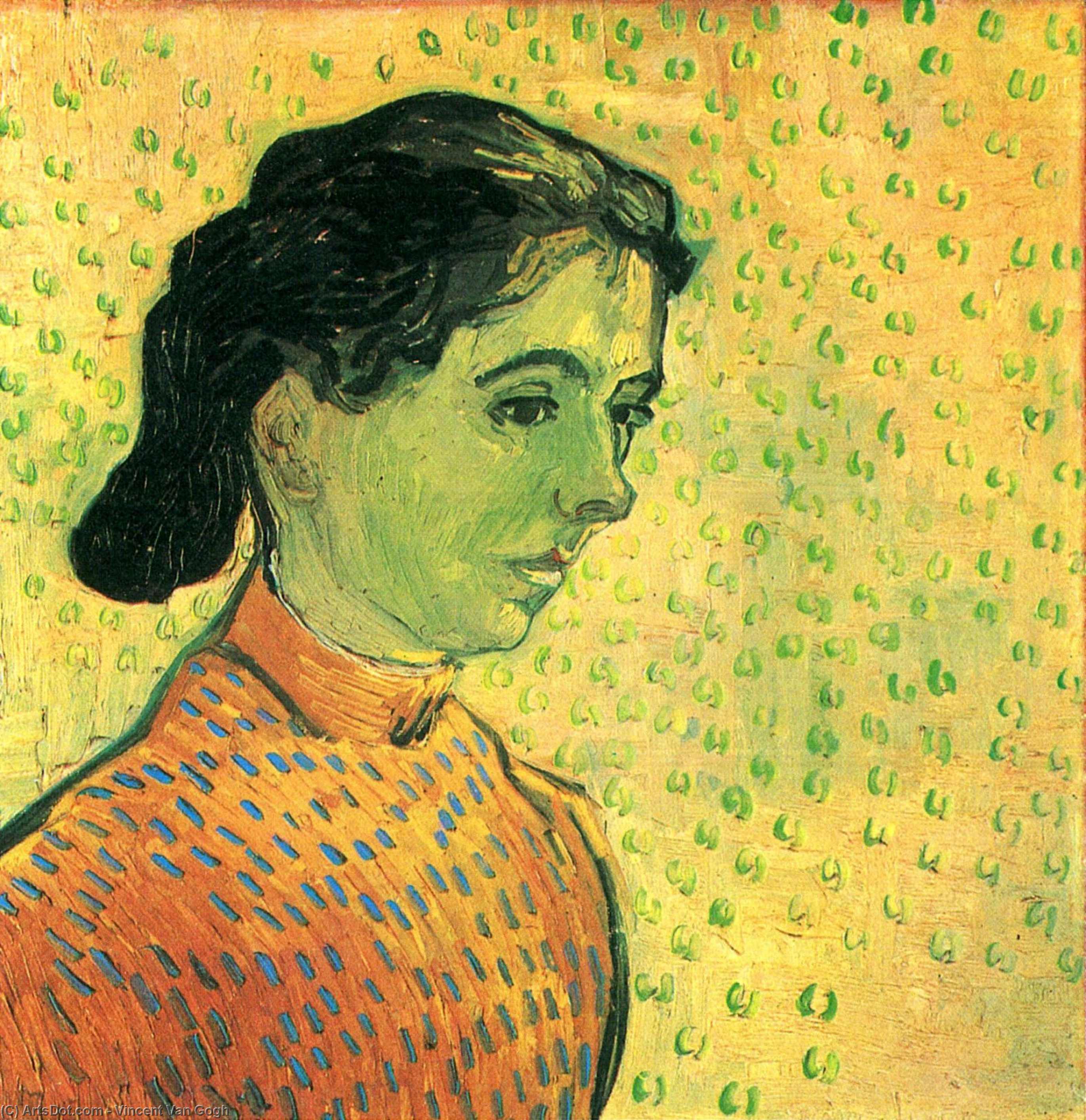
The Little Arlesienne: A Glimpse into Van Gogh's Soul
“The Little Arlesienne,” painted by Vincent van Gogh in 1890, is more than just a portrait; it’s a window into the artist’s evolving style and his profound connection to the people and landscapes of southern France. Housed within the Kröller-Müller Museum in Otterlo, Netherlands, this oil on canvas masterpiece exemplifies Post-Impressionism with its vibrant colors, expressive brushstrokes, and intimate portrayal of an unknown young woman.
Subject and Historical Context
During his time in Arles, Van Gogh sought to capture the essence of Provençal life through portraiture. While the identity of “The Little Arlesienne” remains a mystery, she is believed to be a local girl from Arles, representing the everyday beauty he found within the region. This period marked a significant shift for Van Gogh; he was experimenting with new techniques and styles, influenced by his surroundings and interactions with fellow artists like Paul Gauguin. The painting reflects a desire to move beyond mere representation and delve into the emotional and psychological depths of his subjects.
Composition, Style, and Technique
The composition is striking in its simplicity. A young woman gazes slightly off-center, her direct gaze engaging the viewer with an almost palpable intimacy. She’s dressed in a vibrant yellow shirt adorned with blue polka dots, a color combination that immediately draws the eye. The background isn't a detailed landscape but rather a field of scattered green and yellow dots – a technique Van Gogh employed to create a sense of depth and movement while also simplifying forms. This is characteristic of his Post-Impressionist style, which prioritized emotional expression over strict realism.
Van Gogh’s signature brushstrokes are immediately recognizable. Thick, impasto strokes build texture and add dynamism to the canvas. The colors aren't blended smoothly; instead, they remain distinct, creating a vibrant and energetic surface. This technique isn't just about aesthetics; it conveys Van Gogh’s emotional intensity and his subjective experience of the world.
Symbolism and Emotional Impact
While seemingly straightforward, “The Little Arlesienne” carries layers of symbolic meaning. The yellow shirt, a recurring motif in Van Gogh’s work, often represents optimism and hope, even amidst personal struggles. The green dots in the background could symbolize nature's vitality and growth, contrasting with the woman's quiet introspection.
The painting evokes a sense of melancholy and contemplation. The young woman’s gaze suggests a depth of feeling that transcends her age. Van Gogh doesn't present an idealized portrait; instead, he captures a moment of genuine human presence – vulnerable, thoughtful, and quietly resilient. This emotional honesty is what makes “The Little Arlesienne” so compelling and enduring.
Legacy and Artistic Significance
“The Little Arlesienne” stands as a testament to Van Gogh’s artistic evolution and his ability to transform everyday subjects into profound expressions of human emotion. It exemplifies the Post-Impressionist movement's focus on subjective experience and expressive color, influencing generations of artists who followed. Its enduring appeal lies in its ability to connect with viewers on an emotional level, offering a glimpse into the soul of both the artist and his subject.