James Porter
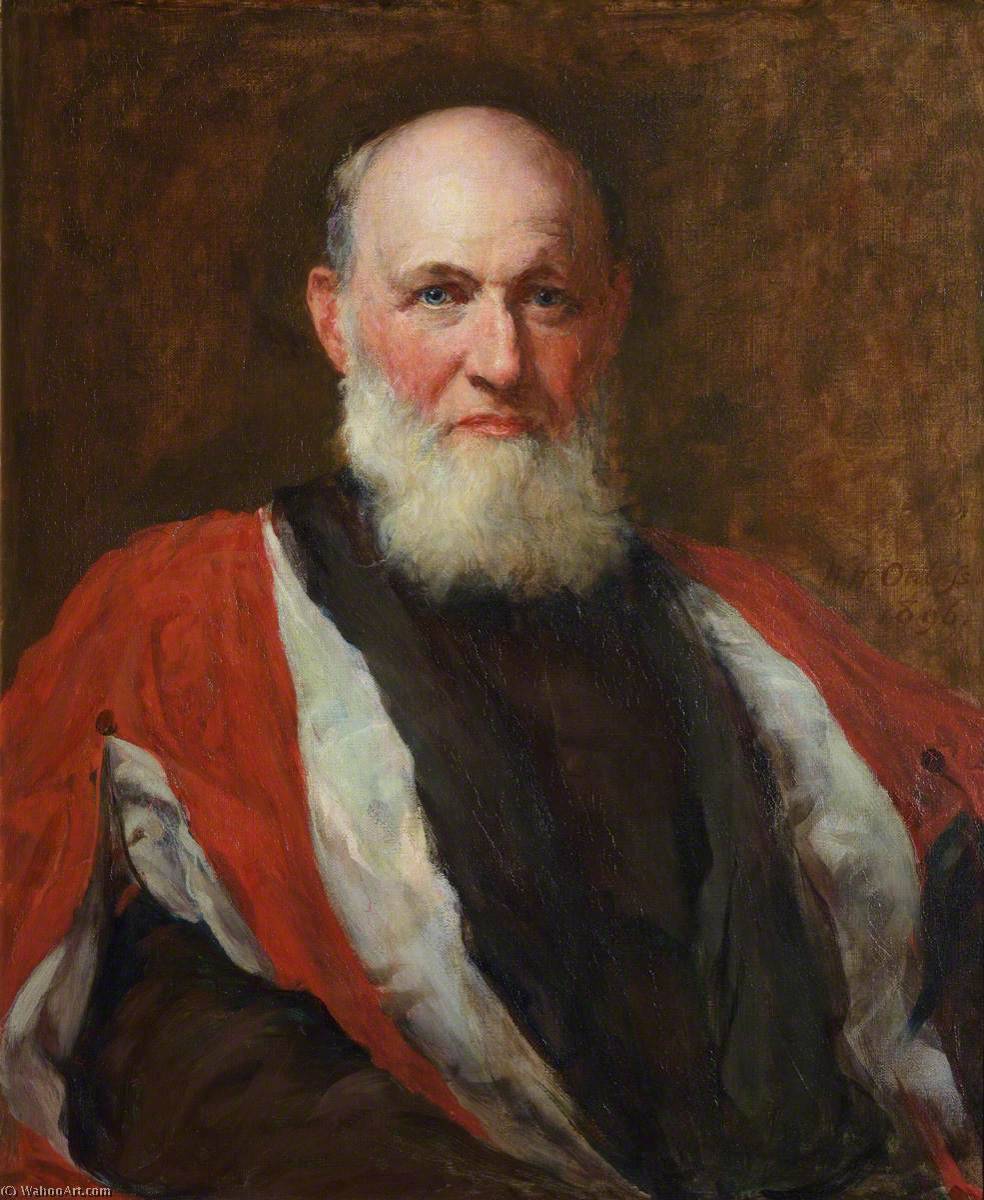
Admire Walter William Ouless’s masterful depiction of James Porter, DD, Master (1876–1900), a striking portrait from Peterhouse College showcasing Victorian realism and artistic precision.
Valter Vilijam Ulis RA (1848-1933) bio je istaknuti britanski portretista poznat po realističnim studijama likova i pejzažima. Kao član Kraljevskog akademskog društva, ovekivao je značajne ličnosti 19. veka. Istražite njegovu umetnost!
Peterhouse
(Kembriđ, Ujedinjeno Kraljevstvo)
Otkrijte Peterhouse, najstariji koledž u Кемbridžu (osnovan 1284)! Istražite prelepu srednjovekovnu arhitekturu, mirne prostore i umetnička dela Richarda Bankesa Harradena. Besplatan ulaz! Obavezno za ljubitelje istorije i umetnosti.
James Porter, DD, Master (1876–1900): A Portrait Steeped in Victorian Dignity
Walter William Ouless’s “James Porter, DD, Master” is more than just a depiction of an individual; it's a window into the sensibilities of late Victorian England. Painted in 1896, this portrait captures James Porter, a respected clergyman and scholar at Peterhouse College, Cambridge, with remarkable precision and understated elegance.
- Subject Matter: The painting focuses squarely on Porter’s face—a commanding presence framed by a neatly trimmed beard and mustache. His gaze is direct, conveying seriousness and intellectual contemplation.
- Style & Technique: Ouless employs a meticulous realism characteristic of his oeuvre, utilizing a technique known as stippling – dots of pigment applied to the canvas to build up tonal gradations. This method lends texture and depth to Porter’s skin tones, creating an illusion of palpable warmth and solidity.
- Historical Context: The portrait reflects the Victorian era's preoccupation with moral virtue and scholarly achievement. Porter’s position at Peterhouse underscores the importance placed on education and religious devotion during this period.
Catherine Ouless: Artistic Legacy & Influence
Walter William Ouless’s artistic journey was profoundly shaped by his wife, Catherine Ouless, herself a talented British artist. Their collaborative spirit fostered a shared appreciation for capturing the beauty of the natural world and portraying individuals with sensitivity and accuracy—a legacy that continues to resonate in contemporary art.
- Catherine’s Style: Like her husband, Catherine Ouless excelled at landscape painting, particularly focusing on Devon and Somerset. Her canvases are imbued with a luminous palette and a distinctive stippling technique reminiscent of Walter William's approach.
- Shared Vision: The couple’s artistic partnership exemplifies the Victorian ideal of domestic harmony—a commitment to nurturing creativity alongside familial responsibilities.
Exploring the Symbolism Within Detail
Beyond its technical brilliance, “James Porter, DD, Master” speaks volumes about Victorian ideals. The robe worn by Porter symbolizes authority and piety – emblems central to the clergyman’s role within society. Furthermore, the careful positioning of Porter's hands suggests composure and intellectual deliberation—qualities valued in Victorian gentlemen.
- Color Palette: Ouless utilizes a muted color palette dominated by earthy tones—browns, reds, and creams—reflecting the prevailing aesthetic preferences of the time.
- Composition: The portrait’s balanced composition reinforces Porter's dignified stature, emphasizing his importance as both a scholar and a spiritual leader.
Emotional Resonance & Artistic Impact
"James Porter, DD, Master" transcends mere representation; it evokes a sense of quiet contemplation and moral seriousness. Ouless’s masterful rendering captures not only Porter's physical appearance but also his inner character—a testament to the artist’s ability to convey profound emotion through subtle visual cues.
- Psychological Depth: The portrait’s gaze conveys a contemplative spirit, inviting viewers to consider Porter’s thoughts and beliefs.
- Enduring Appeal: This artwork continues to captivate audiences today due to its timeless beauty and its ability to communicate enduring values—a reflection of Ouless's artistic vision and his unwavering dedication to capturing the essence of human experience.