 Pregledaj u prostoru
 Pošalji
 Podeli
 Detalji o delu

 Преузми
 Slični predmeti
 Rendgenski snimak
 Slajdovi
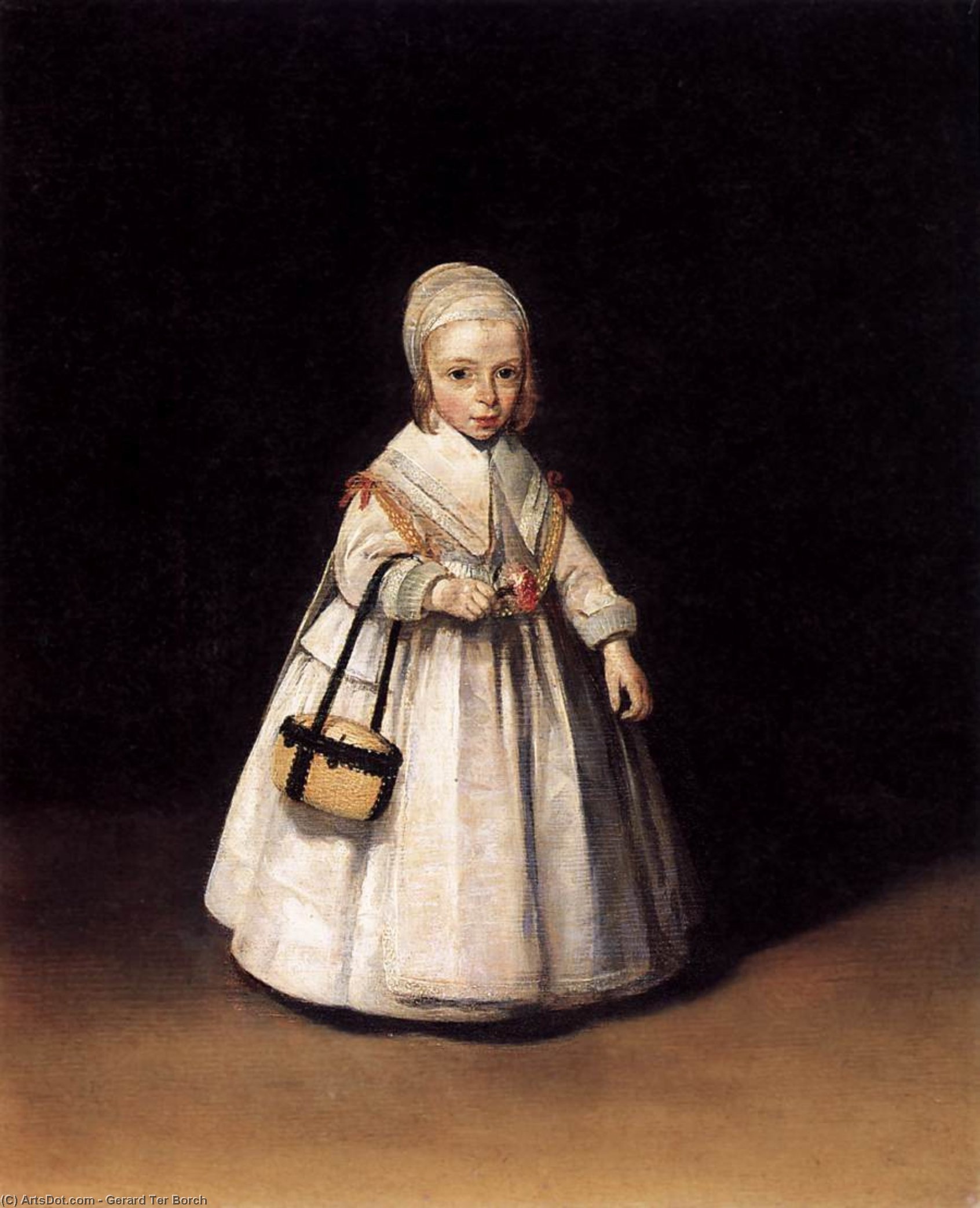
Helena van der Schalcke as a Child
 Oil On Panel
- WallArt
- Baroque
 1644
1644- Early Modern
 34.0 x 29.0 cm
 Rijksmuseum
 Pročitaj više
Ručno rađena uljana reprodukcija
Ručno oslikano uljanim bojama na platnu u dimenzijama i okviru po vašem izboru, izrađeno po porudžbini od strane naših umetnika. ( Kupi print Kupi digitalnu sliku)




P118B $10

P118H $10

P118W $10

P438Z $10

P508JH $12

P508YH $12

P805H $10

P805Z $10

P919BZ $10

P919G $10

P919XJ $10

P959ZH $10

P968JZ $12

W106C $8

W218G $10

W218JH $8

W218Y $10

W307PJ $10

W316G $10

W316PJ $8

W316Y $10

W398PJ $8

W4111J $10

W500HY $15

W500JH $15

W692G $12

W849H $8

W940BG $15

W953PJ $8




Izaberite jednu od naših unapred definisanih veličina koje odgovaraju originalnim proporcijama umetničkog dela.

Можете унети сопствене димензије како бисте прилагодили дело одређеном оквиру или простору. Ако одабрана величина не одговара пропорцијама оригинала, слика ће бити исечена или проширена додатним елементима који се ручно насликавају. Дигитални prikaz ће вам бити послат на одобрење пре почетка производње.
Имајте на уму да преглед на екрану не одражава стварно исецање или проширење. Само приказ (mockup) ће тачно приказати коначну композицију.
Иако су доступне прилагођене величине, препоручујемо да одаберете димензију из дефинисане листе како бисте сачували оригиналне пропорције.
Nakon narudžbine, tim ArtsDot.com će klijentu putem e-pošte poslati uputstva i dostaviti prikaz predloženog rešenja
Isporuka širom sveta () za 3/4 nedelje umesto uobičajenih 5 nedelja. (25 август). Bez kompromisa po pitanju kvaliteta.

Besplatna ekspresna dostava širom sveta

Visokokvalitetno laneno platno

Kompletno osiguranje transporta

Garancija povraćaja carine i uvoznih dažbina

Garancija vernosti boja

Politika povrata u roku od 60 dana (samo u slučaju nedostataka)

Garancija povrata novca od 100%

Popust pri grupnoj kupovini
 Opcija sa staklom dostupna je samo za dimenzije manje od 110 cm

Helena van der Schalcke as a Child
Tehnika reprodukcije
Dimenzije reprodukcije
-


Konačna cena
$ 263
Opis umetničkog dela
A Window Into Dutch Intimacy: Exploring Gerard ter Borch’s Portrait of Helena van der Schalcke
Gerard ter Borch stands as a singular voice within the vibrant tapestry of the Dutch Golden Age, distinguished not merely by his prolific output but by an unparalleled ability to distill human experience into exquisitely rendered genre paintings. His oeuvre transcends mere depiction; it strives for profound psychological insight, capturing fleeting emotions and subtle gestures with breathtaking precision—a characteristic vividly realized in “Portrait of Helena van der Schalcke,” painted in 1644. This remarkable artwork resides within the Rijksmuseum’s collection, offering visitors a privileged glimpse into a pivotal moment in Dutch artistic history.The Artist's Vision: Ter Borch and His Unique Style
Ter Borch’s distinctive approach to portraiture departed significantly from prevailing conventions of his time. Unlike many artists who prioritized idealized beauty—a hallmark of Mannerism—ter Borch eschewed grandeur, favoring instead a carefully constructed scene that conveys an atmosphere of quiet contemplation. He meticulously observed the nuances of human interaction, portraying individuals engaged in seemingly mundane activities – a gentleman reading a letter, a woman conversing with her companion – yet elevating these commonplace moments into canvases brimming with psychological depth. This stylistic preference aligns perfectly with his sister Gesina ter Borch’s artistic endeavors, establishing a familial tradition rooted in realism and emotional sensitivity.Technical Mastery: Light and Texture as Instruments of Expression
The painting's technical brilliance is immediately apparent upon observation. Ter Borch employed a masterful manipulation of light—a technique he termed “luminosity”—to sculpt the figures against a dark wall backdrop. This dramatic chiaroscuro effect isn’t merely decorative; it serves to illuminate key areas of interest, drawing the viewer’s eye towards Helena van der Schalcke and her companion. Furthermore, ter Borch achieved remarkable textural detail through painstaking layering of glazes—thin coats of translucent pigment—creating surfaces that appear remarkably tactile. The subtle variations in color and sheen contribute significantly to the painting's overall impression of realism and immediacy.Historical Context: Reflecting the Spirit of Dutch Society
“Portrait of Helena van der Schalcke” emerged during a period marked by considerable social and intellectual ferment within Holland. The burgeoning humanist movement championed reason and observation, influencing artists like ter Borch to prioritize psychological accuracy over formal embellishment. The depiction of domestic interiors—a common motif in Dutch genre painting—reflects the importance of family life and private relationships in shaping individual identity. Moreover, the inclusion of a letter symbolizes intellectual discourse and cultural engagement – facets characteristic of the era’s burgeoning artistic landscape.Symbolism Beyond Appearance: Layers of Meaning Within the Frame
Beyond its surface realism lies a wealth of symbolic significance. The dark wall serves as a foil to the luminous figures, emphasizing their presence and highlighting the intimacy of their conversation. The basket held by Helena van der Schalcke—a symbol of domestic care and nurturing—underscores her role within the family unit. These subtle visual cues invite contemplation on themes of companionship, intellectuality, and the complexities of human emotion – enriching the viewer’s experience far beyond a simple appreciation of artistic skill.Emotional Resonance: Capturing the Essence of Human Connection
Ultimately, “Portrait of Helena van der Schalcke” succeeds in conveying an enduring emotional resonance. Ter Borch captures not just likeness but also feeling—the quiet seriousness of contemplation, the subtle warmth of connection—creating a portrait that transcends time and place. It stands as a testament to the artist’s profound understanding of human psychology and his ability to translate this insight into visual form. Like many of ter Borch's works, it invites viewers to consider not only what is seen but also what lies beneath the surface – fostering a deeper appreciation for the artful exploration of human experience.Srodna umetnička dela


Biografija umetnika
**predstavnik holandske žanrovske slike**
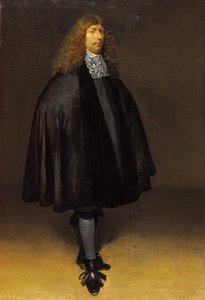
Gerard ter Borch, istaknuta figura hollandskog zlatnog doba, ostavio je neizbrisiv trag u svetu umetnosti svojim žanrovskim slikama. Rođen u decembru 1617. godine i preminut 8. decembra 1681. godine, Ter Borhov život bio je svedočanstvo njegove umetničke virtuoznosti.**rani život i uticaji**
Iako njegovi rani životni tragovi nisu detaljno dokumentovani, poznato je da je intenzivno putovao širom Evrope, obuhvatajući London, Nemačku, Francusku, Španiju i Italiju. Ovo bogato iskustvo proširilo je njegove umetničke vidike, oblikujući njegov jedinstveni stil. Njegova sestra, Gesina ter Borch, takođe je sledila umetničku karijeru, čime je dodatno učvrstila porodičnu umetničku predispoziciju.**istaknuta dela i dostignuća**
Njegov opus obeležili su remek-dela poput slike Pismo, koja predstavlja vrhunac njegove veštine u dočaravanju teksture i svetlosti. Delo Galan conversation (Galan conversation), koje je gravirao Johan Georg Vil, savršeno prikazuje umetnikovu sposobnost da prenese najsuptilnije emocije. Rano delo Čovek na konju (1634) svedoči o njegovom tada još uvek otkrivajućem talentu, dok slika Dolazak Adrijana Paua u Minster (1646) predstavlja značajno delo koje ističe njegovu narativnu moć.**muzeji i kolekcije koje čuvaju radove Ter Borcha**
Njegova međunarodna važnost potvrđena je prisustvom njegovih dela u najprestižnijim svetskim galerijama. Ermitaz poseduje jednu od najvećih kolekcija sa čak šest njegovih dela. Berlinski muzej takođe čuva šest komada, slaveći Ter Borhov globalni značaj, dok se tri njegove slike nalaze u cenjenoj kolekciji Getty Centra.**nasleđe i uticaj**
Uticaj koji je Ter Borch ostavio na holandske slikare poput Gabriela Metsua, Gerita Doua, Egloona van der Neera i Tomasa Vermeera dobro je dokumentovan. Njegov inovativni pristup žanrovskoj slici učinio ga je ključnom figurom u istoriji umetnosti.- za više informacija o Ter Borhovom životu i delima, posetite https://ArtsDot.com/@/gerard-ter-borch
- istražite Muzej Boijmans Van Beuningen u Roterdamu, Holandija, koji prikazuje neke od Ter Borhovih savremenika na https://ArtsDot.com/@@/a@d3arrk-museum-boijmans-van-beuningen-rotterdam-netherlands
- saznajte više o holandskom zlatnom dobu i njegovim značajnim umetnicima na https://en.wikipedia.org/wiki/dutch_golden_age
Gerard Ter Borch
1617 - 1681 , Holandija
Osnovne informacije
- Artistic Movement Or Style: Žanrovsko slikarstvo
- Artists Or Movements Influenced By This Artist: ['Diego Velázquez']
- Artists Who Influenced This Artist:
- Gabriel Metsu
- Gerrit Dou
- Eglon van der Neer
- Johannes Vermeer
- Date Of Birth: decembar 1617.
- Date Of Death: 8. decembra 1681.
- Full Name: Gerard ter Borch
- Nationality: Holandski
- Notable Artworks:
- Pismo
- Galan konverzacija
- Čovek na konju
- Dolazak Adrijana Paua u Minster
- Place Of Birth: Zvole, Holandija
Povezani članci
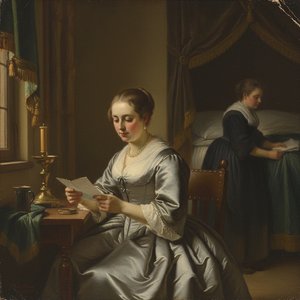
Gerard ter Borch: Intimacy & Light in the Dutch Golden Age
Explore the captivating world of Gerard ter Borch, a master of Dutch Golden Age genre painting. Discover his intimate scenes, masterful light, and lasting influence on art history. Learn more at ArtsDot.

Golden Age Reflections: Dutch Baroque Painting & Cultural Innovation
Explore the Dutch Golden Age of painting! Discover key artists like Vermeer & ter Borch, their innovative techniques, and the rich cultural context behind these Baroque masterpieces. Learn about collecting & appreciating this iconic art period.

Zlatno doba Holandske umetnosti: Top 10 remek dela za vaš dom
Otkrijte remek dela Holandskog zlatnog doba! Uronite u svet Rembrandta, Vermeera i drugih majstora. 10 ikoničnih slika koje su definisale umetnost. Inspiracija za vaš dom i kolekciju - ekskluzivne reprodukcije na ArtsDot.com!
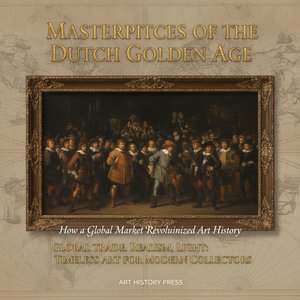
Masterpieces of the Dutch Golden Age: How a Global Market Revolutionized Art History
Explore the profound impact of the Dutch Golden Age. Discover how a global trade revolution transformed art history through breathtaking realism, masterful light, and the elevation of everyday life into timeless masterpieces for the modern collector.

Illuminating Innovation: Exploring the Dutch Golden Age of Painting
Explore the Dutch Golden Age of painting with ArtsDot. Discover Rembrandt, Vermeer & other Masters. Learn about key characteristics, iconic artworks, and lasting influence. Expert insights for collectors & enthusiasts.