

 Pregledaj u prostoru
 Pošalji
 Podeli
 Detalji o delu

 Преузми
 Slični predmeti
 Rendgenski snimak
 Slajdovi
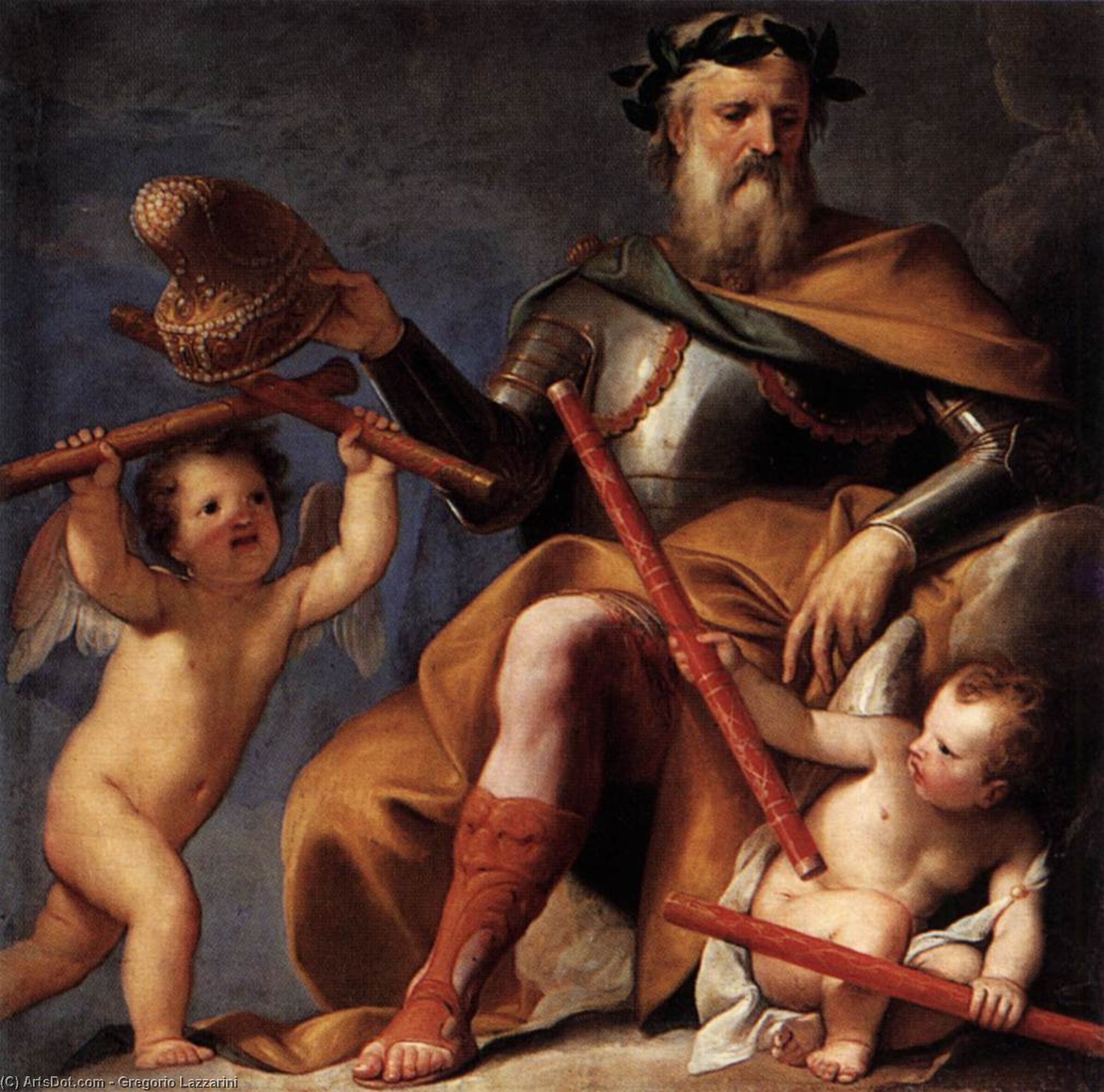
Merit Offers the Command to Doge Morosini


 Pročitaj više
Ručno rađena uljana reprodukcija
Ručno oslikano uljanim bojama na platnu u dimenzijama i okviru po vašem izboru, izrađeno po porudžbini od strane naših umetnika. ( Kupi print Kupi digitalnu sliku)




P118B $10

P118H $10

P118W $10

P438Z $10

P508JH $12

P508YH $12

P805H $10

P805Z $10

P919BZ $10

P919G $10

P919XJ $10

P959ZH $10

P968JZ $12

W106C $8

W218G $10

W218JH $8

W218Y $10

W307PJ $10

W316G $10

W316PJ $8

W316Y $10

W398PJ $8

W4111J $10

W500HY $15

W500JH $15

W692G $12

W849H $8

W940BG $15

W953PJ $8




Izaberite jednu od naših unapred definisanih veličina koje odgovaraju originalnim proporcijama umetničkog dela.

Можете унети сопствене димензије како бисте прилагодили дело одређеном оквиру или простору. Ако одабрана величина не одговара пропорцијама оригинала, слика ће бити исечена или проширена додатним елементима који се ручно насликавају. Дигитални prikaz ће вам бити послат на одобрење пре почетка производње.
Имајте на уму да преглед на екрану не одражава стварно исецање или проширење. Само приказ (mockup) ће тачно приказати коначну композицију.
Иако су доступне прилагођене величине, препоручујемо да одаберете димензију из дефинисане листе како бисте сачували оригиналне пропорције.
Nakon narudžbine, tim ArtsDot.com će klijentu putem e-pošte poslati uputstva i dostaviti prikaz predloženog rešenja
Isporuka širom sveta () za 3/4 nedelje umesto uobičajenih 5 nedelja. (29 август). Bez kompromisa po pitanju kvaliteta.

Besplatna ekspresna dostava širom sveta

Visokokvalitetno laneno platno

Kompletno osiguranje transporta

Garancija povraćaja carine i uvoznih dažbina

Garancija vernosti boja

Politika povrata u roku od 60 dana (samo u slučaju nedostataka)

Garancija povrata novca od 100%

Popust pri grupnoj kupovini
 Opcija sa staklom dostupna je samo za dimenzije manje od 110 cm

Merit Offers the Command to Doge Morosini
Tehnika reprodukcije
Dimenzije reprodukcije
-


Konačna cena
$ 263
The Grand Narrative of Power and Victory
Gregorio Lazzarini’s “Merit Offers the Command to Doge Morosini” is more than just a painting; it's a vibrant snapshot of 17th-century Venice, a city pulsating with political intrigue, naval prowess, and the enduring legacy of its maritime empire. Completed in 1694, this monumental work captures a pivotal moment – the election of Francesco Morosini as Doge, the supreme ruler of the Venetian Republic – amidst the backdrop of the Great Turkish War. The scene unfolds within the Sala dello Scrutinio (Voting Hall) of the Doge’s Palace, a space steeped in history and symbolic weight, where the fate of Venice was decided through elaborate ceremony and carefully orchestrated votes.
Lazzarini masterfully employs a dramatic composition to convey this narrative. Morosini, clad in imposing armor and a feathered hat, stands as the central figure, holding two wooden staffs – symbols of command and authority – while gesturing towards the assembled dignitaries. Surrounding him are three children, representing the future of Venice, one seated thoughtfully and the other two standing attentively. The inclusion of these youthful figures subtly hints at the continuity of Venetian power and the hope for a prosperous era. The backdrop, rendered in a rich, deep blue, provides a dramatic contrast to the warm tones of the figures and adds depth to the scene, creating an atmosphere of both solemnity and grandeur.
A Window into Venetian Politics and Warfare
Understanding the historical context is crucial to appreciating Lazzarini’s work. The Great Turkish War (1685-1699) dominated Venice's existence during this period, threatening its trade routes and territorial control. Francesco Morosini emerged as a brilliant military commander, repeatedly securing victories against the Ottoman Empire in Greece and the Morea. His successes earned him immense prestige and ultimately propelled him to the Doge’s office. The painting isn’t simply a portrait; it's a visual testament to his achievements and the political maneuvering that secured his position.
The depiction of Morosini himself is particularly noteworthy. He embodies the ideal Venetian leader – courageous, decisive, and adorned with symbols of authority. His posture exudes confidence, while the details of his armor and attire reflect the wealth and power of the Republic. The careful rendering of the children underscores the importance of lineage and succession in Venetian society, reinforcing the notion that Morosini’s election was a strategic move to ensure stability and continuity.
The Art of Baroque Grandeur
Lazzarini's style is firmly rooted in the Venetian Baroque tradition, characterized by its dramatic lighting, rich colors, and dynamic compositions. He skillfully employs chiaroscuro – the contrast between light and dark – to create a sense of depth and drama, drawing the viewer’s eye to Morosini as the focal point of the scene. The use of vibrant blues, reds, and golds further enhances the painting's visual impact, reflecting the opulence and splendor associated with Venetian art.
The artist’s technique is remarkably detailed, evident in the meticulous rendering of the armor, clothing, and facial features. Lazzarini demonstrates a mastery of perspective and spatial relationships, creating a convincing illusion of three-dimensionality within the confines of the painting. The brushstrokes are confident and expressive, conveying both technical skill and artistic flair.
Symbolism and Enduring Legacy
Beyond its historical significance, “Merit Offers the Command to Doge Morosini” is rich in symbolism. The wooden staffs represent Morosini’s authority and leadership, while the children symbolize the future of Venice. The blue background evokes the vastness of the sea – a constant presence in Venetian life and a source of both wealth and peril. The painting serves as a powerful reminder of Venice's enduring legacy as a maritime power and its complex political landscape.
Reproductions of this magnificent artwork offer a captivating glimpse into a pivotal moment in Venetian history, inviting viewers to contemplate the interplay of power, ambition, and artistic brilliance. It remains a testament to Lazzarini’s skill and a valuable window into the vibrant world of 17th-century Venice.
Srodna umetnička dela

Povezani članci

Jacopo Tintoretto: 25 Remek-dela Venecijanskog Majstora | Reprodukcije i Inspiracija za Dom
Uronite u svet Jacopa Tintoreta! Otkrijte 25 remek-dela venecijanskog renesansnog majstora. Istražite dramatične kompozicije, bogate boje i istoriju umetnosti na ArtsDot.com. Reprodukcije slika za luksuzni enterijer.

Барокна драма: Уношење величине и емоција у савремене ентеријере
Откријте барокну драму и унесите величину у ваш ентеријер! ArtsDot нуди ручно насликане репродукције, персонализоване портрете и стручне консултације за љубитеље класичне уметности. Потражите савршено дело већ данас!

The Dramatic Flourish: Exploring the Baroque Movement's Enduring Legacy in Art History
Explore the dramatic world of Baroque art! Discover iconic artists like Caravaggio & Rubens, defining techniques, and its lasting impact on art history. Expert insights for collectors & enthusiasts at ArtsDot.

Barok Majstor dela: Top 10 Umjetničkih Remeka za Vaš Dom
Otkrijte 10 remek dela koja su definisala baroknu umetnost! Karavagio, Bernini i više – istražite priče iza ovih ikoničnih slika. Inspiracija za vaš dom? Pogledajte kolekciju na ArtsDot.com!

The Visceral Stage: Exploring Dramatic Narratives & Emotional Intensity in Baroque Art
Explore the dramatic world of Baroque art! Discover iconic masters like Caravaggio & Rembrandt, their techniques, and the movement's lasting impact. Expert insights for collectors & enthusiasts at ArtsDot.

