

 Pregledaj u prostoru
 Kupi print
 Pošalji
 Podeli


 Преузми
 Slični predmeti
 Rendgenski snimak
 Slajdovi
The Passenger in Cabin 54 (aka The Cruise) 1


Enri Tuluz Lotrek (1864 – 1901)
Otkrijte života i dela Henrija de Tuluz Lotreka, impresionističkog slikara koji je večno zabeležio pariški noćni život! Istražite njegove ikonične slike, grafike i boemski svet Montmartra.
A Moment of Quiet Luxury: Decoding Toulouse-Lautrec’s ‘The Cruise’
Henri de Toulouse-Lautrec's “The Passenger in Cabin 54,” often referred to as "The Cruise," is more than a simple depiction of a woman enjoying a leisurely afternoon aboard a ship. It’s a meticulously crafted snapshot of Parisian life at the turn of the century, imbued with the artist’s signature blend of observation, social commentary, and a profound understanding of human emotion. Painted in 1894, this work exemplifies Lautrec's fascination with the marginalized figures inhabiting Montmartre – not grand heroes or royalty, but ordinary individuals navigating the vibrant, often chaotic, world around them.
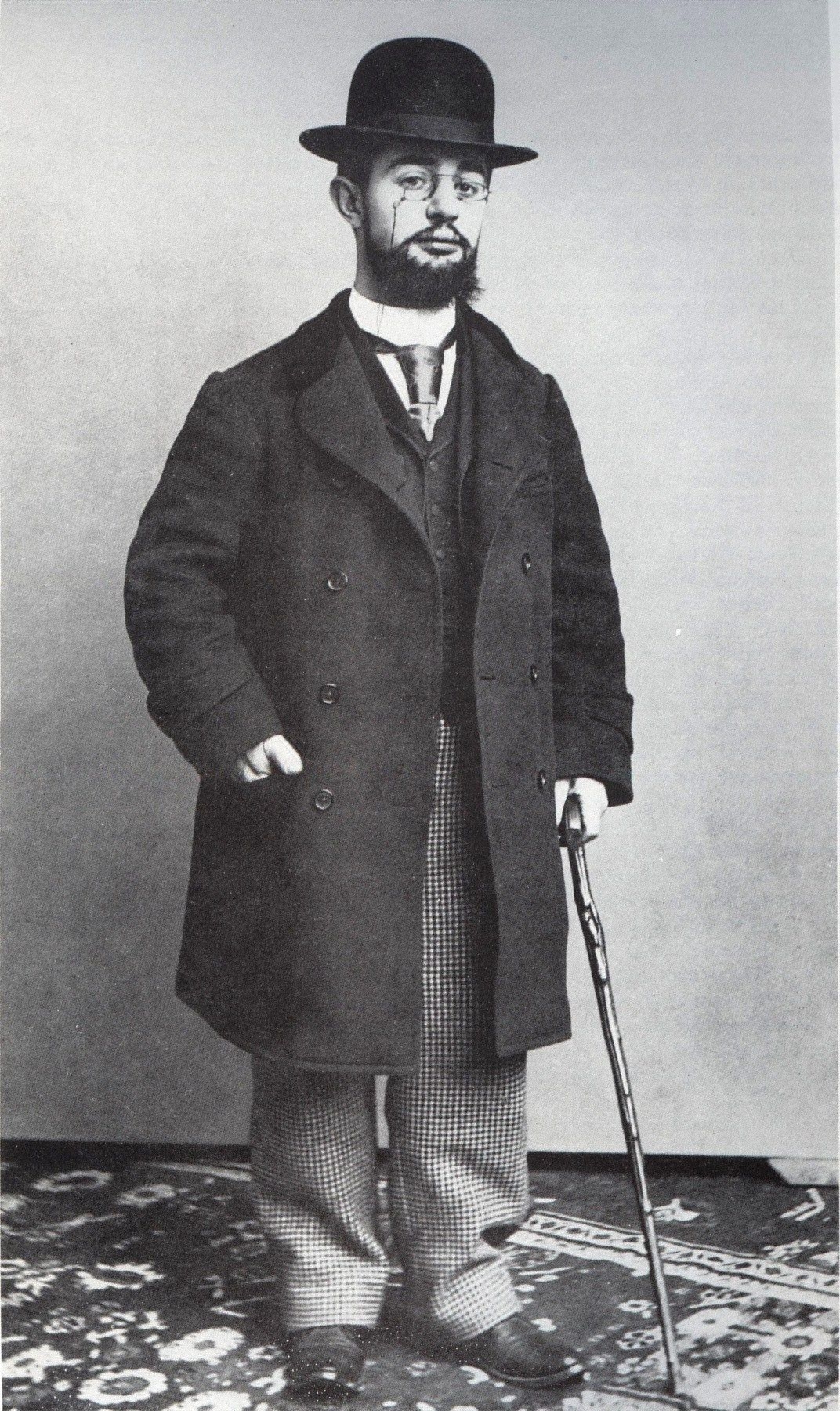
The Artist’s Vision: Montmartre and the Bohemian Spirit
Born with a physical condition that stunted his growth, Toulouse-Lautrec developed an acute sensitivity to the overlooked corners of Parisian society. He rejected the formal academic training favored by many artists of the time, instead immersing himself in the bohemian atmosphere of Montmartre – a district teeming with artists, performers, prostitutes, and café patrons. “The Cruise” perfectly captures this environment; it’s not a romanticized ideal but a raw, honest portrayal of everyday life within a luxurious setting. The woman seated in the cabin represents a segment of this population - those who could afford a brief escape from the city's pressures.
Lautrec’s technique is instantly recognizable: loose, expressive brushstrokes create a sense of movement and immediacy. He employs a flattened perspective, characteristic of his style, to emphasize the flatness of the scene and draw attention to key details – the woman’s posture, her hat, the subtle play of light on the water. The color palette is muted yet rich, dominated by blues, greens, and browns, reflecting the atmosphere of the ship and the subdued lighting within the cabin.
Symbolism and Narrative
The composition itself is laden with symbolic meaning. The woman’s posture – relaxed, contemplative, gazing out at the water – suggests a moment of quiet reflection amidst the bustle of the cruise. Her hat, a fashionable accessory of the era, adds to her air of sophistication. The presence of the two other figures—one standing and one seated—introduces an element of narrative tension, hinting at potential interactions or unspoken stories. The inclusion of the handbag is particularly telling; it represents both practicality and a certain degree of social status.
Interestingly, this painting resonates with the themes explored in “The Love Boat” television series (as detailed in the provided research link). The episodic structure of the show – focusing on crew members and passengers navigating diverse storylines – mirrors Lautrec’s own approach to depicting human relationships within a confined space. Each figure contributes to a larger, unspoken narrative of social interaction and fleeting encounters.
A Legacy of Parisian Impressionism
"The Passenger in Cabin 54" stands as a testament to Toulouse-Lautrec's unique artistic vision and his ability to capture the essence of Parisian life. It’s a powerful example of impressionistic art, blending realism with subjective interpretation. Reproductions of this work offer an exceptional opportunity to bring a piece of Montmartre’s vibrant history into your home or office, allowing you to appreciate the genius of one of France's most iconic artists.
O ovom umetničkom delu
- Naslov: The Passenger in Cabin 54 (aka The Cruise) 1
- Umetnik: Enri Tuluz Lotrek
- Format: Portrait
- Status autorskih prava: Javno vlasništvo
- Pokret: Art Nouveau
- Dominantna boja: Phthalo Green
- Namena: Statement
- Boja (ton): Ochre to Sepia
- Teme: women
Osnovne informacije
- Movement: Post-Impressionism
- Subject or theme: Cruise ship leisure
- Year: 1898
- Title: The Passenger in Cabin 54
- Medium: Oil on canvas
- Notable elements: Woman, railing, two figures
- Location: Private Collection
QR kod


