Pregledaj u prostoru
 Kupi print
 Pošalji
 Podeli


 Преузми
 Slični predmeti
 Rendgenski snimak
 Slajdovi
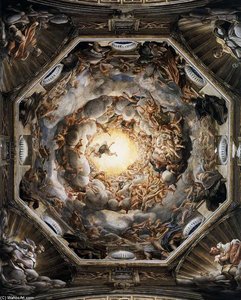
Assumption of the Virgin


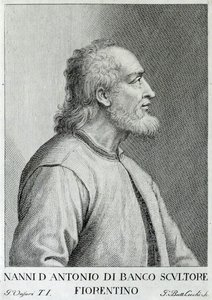
nanni d antonio di banco (1380 – 1421)
Nanni di Banco (c. 1380-1421): Florentine Renaissance sculptor bridging Gothic & classical styles. Known for naturalism in works like the Quattro Coronati & Porta della Mandorla.
Duomo (Firenca, Italija)
Istražite gravuru Giuseppe Zochija iz 1754. godine Katedrale Firence! Detaljan prikaz života u renesansnom gradu i arhitektonske veličine. #Firenca #Zocchi #Gravura
Nanni di Banco’s Assumption of the Virgin: Bridging Gothic Legacy with Renaissance Vision
The sculpture known as “Assumption of the Virgin,” created by Nanni di Banco around 1414, stands as a remarkable testament to the transformative period marking the dawn of the Italian Renaissance. More than just a depiction of religious iconography—the ascension of Mary into heaven—it embodies a crucial juncture in artistic history: the deliberate fusion of enduring Gothic traditions with nascent humanist ideals reshaping Florentine art. Examining its intricate details reveals not merely aesthetic beauty but also profound symbolic resonance and technical mastery that continues to captivate viewers today.A Synthesis of Styles: Gothic Roots, Renaissance Flourish
Nanni di Banco’s artistic approach distinguishes itself from his contemporaries like Donatello and Ghiberti. While these masters championed groundbreaking innovations in sculpture—particularly naturalism—Banco skillfully retained elements of Gothic style, notably the elongated proportions characteristic of ecclesiastical art. However, he simultaneously embraced the humanist spirit burgeoning in Florence, evident in the dynamic pose of Mary’s figure – a departure from the static postures prevalent in earlier Gothic representations. This duality is powerfully conveyed through the sculpture's composition; the Virgin ascends gracefully within an oval frame reminiscent of Byzantine iconography, yet her body exhibits contrapposto—a stance that anticipates the Renaissance emphasis on anatomical accuracy and expressive movement.Detailed Examination: Composition and Technique
The sculpture’s visual impact stems from its meticulously crafted design. The triangular shape formed by the architectural framework surrounding the relief serves as a structural anchor, directing the viewer's gaze towards the central figure of Mary—the focal point of the artwork. Surrounding her are numerous angels and saints arranged in a swirling pattern that imparts a sense of dynamism and grandeur. Banco’s technique involved carving from white marble, utilizing a subtractive process to liberate form from stone. The sculptor skillfully employed intricate detailing—evident in the drapery folds and facial expressions—to achieve remarkable realism. Furthermore, he incorporated inlaid marble – a technique borrowed from Byzantine art – creating shimmering accents that heighten the sculpture's visual splendor.Symbolism and Emotional Resonance: Heavenly Ascent and Divine Grace
The Assumption of the Virgin transcends mere artistic representation; it embodies profound theological significance. Mary’s ascension symbolizes her divine elevation—a cornerstone of Christian faith—and conveys a sense of spiritual transcendence. The angels surrounding her represent messengers of God, conveying reassurance and majesty. Banco's masterful execution captures not only the visual beauty of the scene but also its emotional depth, inviting contemplation on themes of faith, hope, and redemption.Further Exploration: Contextualizing Banco’s Achievement
The sculpture resides within the Porta della Mandorla—the gable atop Florence Cathedral—a monumental architectural project undertaken during Banco's lifetime. This commission underscores the importance of patronage in shaping artistic production during the Renaissance. Comparing Banco’s work to other contemporaneous sculptures reveals a shared commitment to humanist ideals and naturalistic representation, cementing his place as one of the foremost sculptors of his era. The sculpture’s enduring appeal testifies to Banco’s ability to synthesize disparate stylistic influences into a cohesive masterpiece—a symbol of Florentine artistic excellence and spiritual aspiration.O ovom umetničkom delu
- Naslov: Assumption of the Virgin
- Umetnik: nanni d antonio di banco
- Godina: 1414
- Format: Portrait
- Status autorskih prava: Javno vlasništvo
- Mesto izlaganja: Duomo
- Kreativni period: Early Renaissance
- Kontekst korpusa: gothic tradition , florentine patronage
- Dominantna boja: Putty
- Namena: Accent
Osnovne informacije
- Medium: Terracotta
- Location: Private Collection
- Year: 1414
- Artistic style: Naturalistic representation; Detailed ornamentation
- Artist: Nanni di Banco
- Title: Assumption of the Virgin
- Influences: Gothic traditions
QR kod