

 Pregledaj u prostoru
 Pošalji
 Podeli
 Detalji o delu

 Преузми
 Slični predmeti
 Rendgenski snimak
 Slajdovi
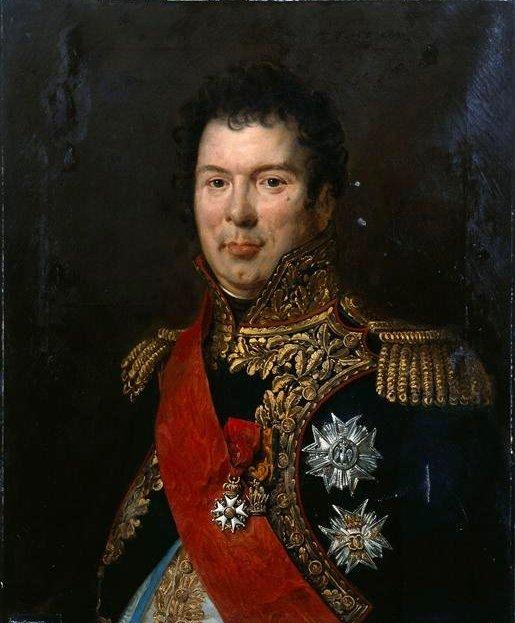
General Songis des Courbons


 Pročitaj više
Ručno rađena uljana reprodukcija
Ručno oslikano uljanim bojama na platnu u dimenzijama i okviru po vašem izboru, izrađeno po porudžbini od strane naših umetnika. ( Kupi print Kupi digitalnu sliku)




































Izaberite jednu od naših unapred definisanih veličina koje odgovaraju originalnim proporcijama umetničkog dela.

Можете унети сопствене димензије како бисте прилагодили дело одређеном оквиру или простору. Ако одабрана величина не одговара пропорцијама оригинала, слика ће бити исечена или проширена додатним елементима који се ручно насликавају. Дигитални prikaz ће вам бити послат на одобрење пре почетка производње.
Имајте на уму да преглед на екрану не одражава стварно исецање или проширење. Само приказ (mockup) ће тачно приказати коначну композицију.
Иако су доступне прилагођене величине, препоручујемо да одаберете димензију из дефинисане листе како бисте сачували оригиналне пропорције.
Nakon narudžbine, tim ArtsDot.com će klijentu putem e-pošte poslati uputstva i dostaviti prikaz predloženog rešenja
Isporuka širom sveta () za 3/4 nedelje umesto uobičajenih 5 nedelja. (5 септембар). Bez kompromisa po pitanju kvaliteta.

Besplatna ekspresna dostava širom sveta

Visokokvalitetno laneno platno

Kompletno osiguranje transporta

Garancija povraćaja carine i uvoznih dažbina

Garancija vernosti boja

Politika povrata u roku od 60 dana (samo u slučaju nedostataka)

Garancija povrata novca od 100%

Popust pri grupnoj kupovini
 Opcija sa staklom dostupna je samo za dimenzije manje od 110 cm

General Songis des Courbons
Tehnika reprodukcije
Dimenzije reprodukcije
-


Konačna cena
$ 263
Srodna umetnička dela
Biografija umetnika
Jean Honoré Fragonard: A Dance of Sensuality and Light
Born in Grasse, Provence, in 1732, Jean Honoré Fragonard’s life was a testament to the shifting currents of French art during the Rococo period. Unlike his contemporaries who often sought patronage within the rigid structures of the Royal Academy, Fragonard forged his own path, embracing a more independent and commercially driven approach that ultimately defined his unique artistic legacy. His career unfolded against the backdrop of a nation undergoing significant social and political change – the waning influence of the aristocracy, the rise of the bourgeoisie, and the burgeoning spirit of the Enlightenment all contributed to the atmosphere in which he created his celebrated works.
Fragonard’s early training was conventional, spending time with François Boucher, a master of the Rococo style at the Académie Royale de Peinture et de Sculpture. However, Fragonard quickly distinguished himself through his innovative approach and refusal to adhere strictly to established norms. He sought inspiration not just from Boucher but also from Italian Baroque painters like Luca Giordano and the vibrant color palettes of Dutch masters. This eclectic influence is immediately apparent in his work – a fusion of elegant grace, playful eroticism, and a masterful command of light and shadow.
- Early Years & Roman Studies (1752-1761): Fragonard’s time at the French Academy in Rome proved pivotal. He meticulously copied works by masters such as Raphael, Caravaggio, and Rembrandt, absorbing their techniques and compositional strategies. These studies weren't merely exercises in imitation; they were a deliberate attempt to understand the foundations of Western art and to develop his own visual language. The red chalk drawings from this period reveal an astonishing level of technical skill and a deep appreciation for line and form.
- The “Figures de Fantaisie” (1763-1768): This series, characterized by its fantastical subjects – including mythological figures, aristocratic ladies in elaborate costumes, and enigmatic landscapes – represents the peak of Fragonard’s artistic innovation. These works are not simply decorative; they are imbued with a sense of mystery and intrigue. The rapid brushwork, often described as “fire” or “genius,” creates an illusion of spontaneity and movement, capturing the fleeting moments of pleasure and desire that were central to Rococo aesthetics.
- The Madame du Barry Commissions (1765-1768): Fragonard’s most famous paintings – *The Swing*, *The Duck Pond*, and *The Fairy* – were commissioned by Madame du Barry, Louis XV's mistress. These works exemplify his mastery of color, composition, and the depiction of human emotion. They are not merely scenes of flirtation; they are carefully constructed narratives that explore themes of love, desire, and social intrigue.
A Painter of Sensuality and Light
Fragonard’s artistic style is instantly recognizable for its delicate balance between elegance and eroticism. He possessed an extraordinary ability to capture the fleeting expressions of human emotion – a blush on a cheek, a glance exchanged between lovers, a moment of playful abandon. His use of light is particularly noteworthy; he employed a technique known as “chiaroscuro,” creating dramatic contrasts between light and shadow that heighten the emotional impact of his paintings.
Unlike many of his contemporaries who favored formal compositions and idealized figures, Fragonard’s subjects were often depicted in informal settings – gardens, country estates, and intimate interiors. He eschewed rigid poses and theatrical gestures, preferring to capture the natural grace and spontaneity of human movement. His paintings are filled with lush details – billowing silks, vibrant flowers, and shimmering water – creating a sense of opulent beauty and sensual delight.
Fragonard’s influence extended far beyond his own lifetime. He paved the way for later generations of artists who sought to capture the pleasures of everyday life in their work. His innovative techniques and daring subject matter helped to shape the development of Neoclassicism, while his emphasis on color and light influenced Impressionist painters such as Claude Monet and Edgar Degas.
Legacy and Historical Significance
Despite his immense popularity during his lifetime, Fragonard’s reputation suffered after the French Revolution. His works were deemed frivolous and decadent, and many were destroyed or hidden away. However, in the late 19th century, a renewed appreciation for Rococo art led to a reassessment of Fragonard’s work. Today, he is widely regarded as one of the most important painters of the Rococo period – a master of sensuality, light, and color.
Fragonard's paintings continue to captivate audiences with their beauty, wit, and emotional depth. They offer a glimpse into a world of aristocratic pleasure and social intrigue, while also revealing the artist’s extraordinary talent and innovative spirit. His legacy endures as a testament to the power of art to evoke emotion, inspire imagination, and transcend the boundaries of time.
Key Works
- The Swing (1767): Arguably his most famous work, this painting captures a moment of playful flirtation between a young man and a woman on a swing.
- The Duck Pond (1768): A delightful scene of youthful exuberance, featuring a group of children playing in a pond filled with ducks.
- The Fairy (1769): A mysterious and evocative painting that depicts a young woman being pursued by a fairy through a moonlit forest.
- Saint Mary Magdalene Penitent (1763-1765): Demonstrates his ability to blend religious themes with Rococo sensuality.
Jean Honoré Fragonard died in Paris in 1806, leaving behind a body of work that continues to enchant and inspire viewers around the world.
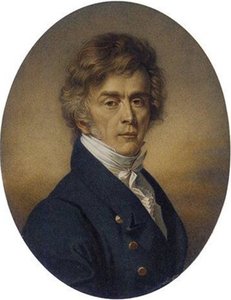
jean urbain guérin
1760 - 1836 , France
Osnovne informacije
- Artistic Movement Or Style: Rococo
- Artists Or Movements Influenced By This Artist: ['Giovanni Battista Piranesi']
- Artists Who Influenced This Artist:
- Antoine Watteau
- François Boucher
- Date Of Birth: 1732
- Date Of Death: 1806
- Full Name: Jean Honoré Fragonard
- Nationality: French
- Notable Artworks:
- Saint Mary Magdalene Penitent
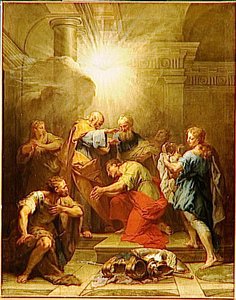
- Coresus and Callirhoë
- A Gathering at Wood’s Edge
- Place Of Birth: Grasse, France
Povezani članci

The Enduring Legacy of Oil on Canvas: Technique, History & Aesthetic Impact
Explore the rich history & techniques of oil painting – from Renaissance masters to Impressionism. Discover pigments, layering methods, and why this timeless medium endures. Expert insights for artists & art enthusiasts.

Oil on Canvas: A Historical & Technical Exploration of a Timeless Artistic Medium
Explore the rich history & enduring techniques of oil painting on canvas. Discover the science behind its longevity, conservation practices, and contemporary relevance. Expert insights for art enthusiasts.

The Enduring Power of Painting: A Historical & Contemporary Exploration of Form and Emotion
Explore the rich history & enduring techniques of oil painting with ArtsDot. Discover masterpieces, learn about art collecting, and find authentic handmade reproductions crafted by skilled artists.

Trajnu Ostavština Uljanih Boja na Platnu: Tehnika, Istorija i Savremena Praksa
Istražite bogatu istoriju i savremene tehnike uljanog slikarstva. Saveti stručnjaka, analiza radova velikih majstora i vodiči za biranje kvalitetnih materijala. Otkrijte tajne očuvanja umetničkih dela!
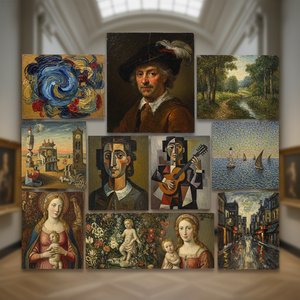
Oil on Board Masters: 10 Paintings That Redefined Art | ArtsDot
Explore 10 legendary 'Oil on Board' masterpieces by Van Gogh, Monet & more! Discover art history, iconic styles like Impressionism, and find museum-quality reproductions to elevate your home decor. Explore the full collection online at ArtsDot.com.

