period
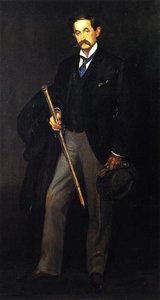
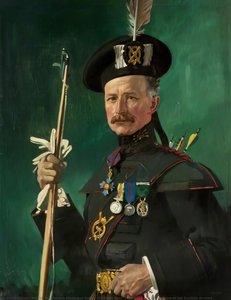
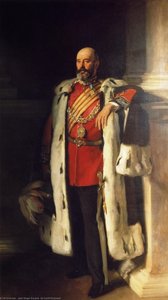
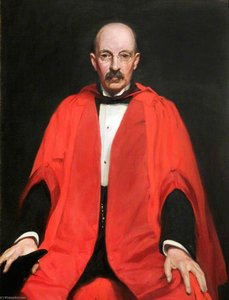
- Sir Hugh Reid (1860–1935), in the Uniform of the Scottish Archers
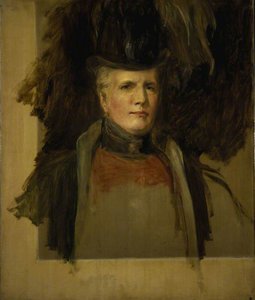
- General Sir David Baird (1757–1829), Soldier (study for Sir David Baird Discovering the Body of Tippoo Sahib)
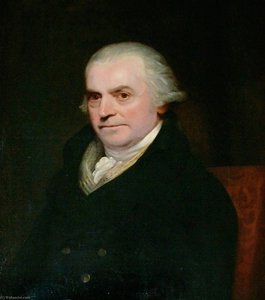
- Sir Philip Stephens (1723–1809), 1st Bt, Secretary to the Admiralty (1763–1795)
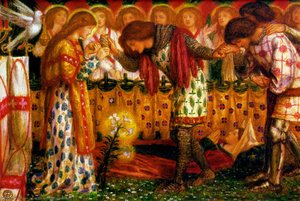
- How Sir Galahad, Sir Bors and Sir Percival Were Fed with the Sanc Grael; But Sir Percival's Sister Died By the Way
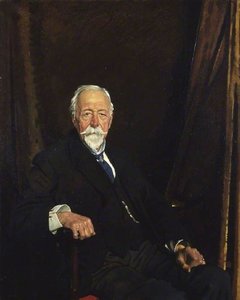
- Sir William McCormick
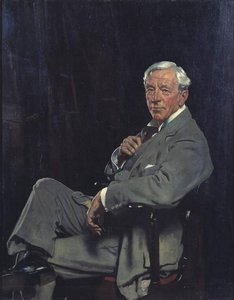
- Sir David Richmond
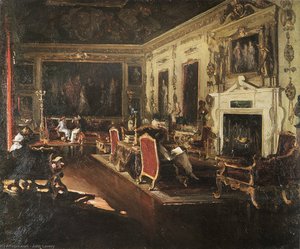
- The Van Dyck Room, Wilton
pokret
vibe
- Sir Hugh Reid (1860–1935), in the Uniform of the Scottish Archers
- Sir Henry Rudolf Reichel (1856–1931), First Principal of the College (1884–1927), Vice Chancellor of the University of Wales (1896–1897, 1900–1901, 1905–1907, 1911–1913, 1917–1921 1926–1927)
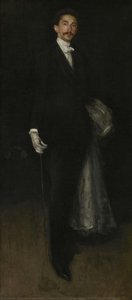
- Arrangement in Black and Gold: Comte Robert de Montesquiou-Fezensac
- The Right Honourable Sir Clifford Allbutt
- The Van Dyck Room, Wilton
ključne reči
ton
primarna boja
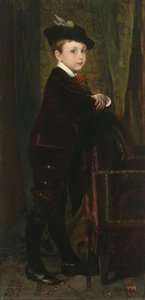
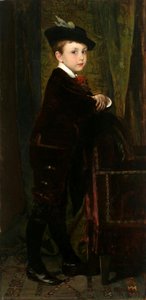
- Portrait of Hans Liebieg as a child
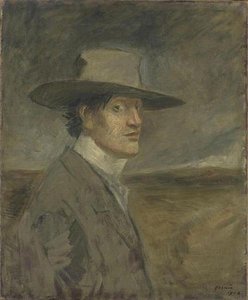
- PORTRAIT DE L'ARTISTE
- Arrangement in Black and Gold: Comte Robert de Montesquiou-Fezensac
- The Van Dyck Room, Wilton
- Sir William McCormick
- The Right Honourable Sir Clifford Allbutt
- Sir Hugh Reid (1860–1935), in the Uniform of the Scottish Archers
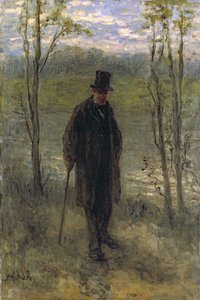
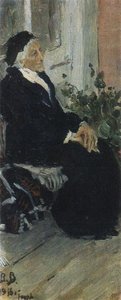
- The Twilight Of Life
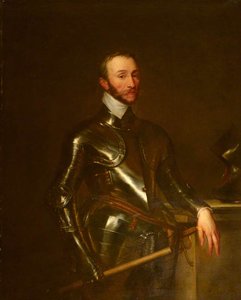
- Sir Henry Percy (c.1532–1585), 8th Earl of Northumberland (expanded copy of an English School portrait of c.1580 1585)
- Sir Henry Rudolf Reichel (1856–1931), First Principal of the College (1884–1927), Vice Chancellor of the University of Wales (1896–1897, 1900–1901, 1905–1907, 1911–1913, 1917–1921 1926–1927)
- How Sir Galahad, Sir Bors and Sir Percival Were Fed with the Sanc Grael; But Sir Percival's Sister Died By the Way
- General Sir David Baird (1757–1829), Soldier (study for Sir David Baird Discovering the Body of Tippoo Sahib)
- Ferdinand Sinzig (also known as Portrait of a Musician)
- Sir Philip Stephens (1723–1809), 1st Bt, Secretary to the Admiralty (1763–1795)
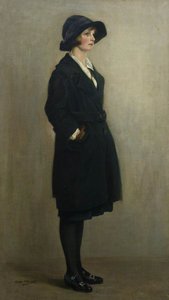
- Betty
- Sir Evan Spicer (1849–1937)
- Hans Liebieg´s portrait as a child
- Sir David Richmond
- Self Portrait (19)
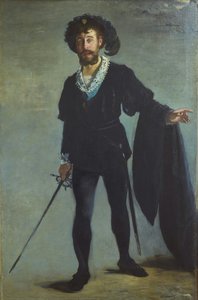
- Portrait de Faure dans le rôle d