

 Pregledaj u prostoru
 Pošalji
 Podeli
 Detalji o delu

 Преузми
 Slični predmeti
 Rendgenski snimak
 Slajdovi
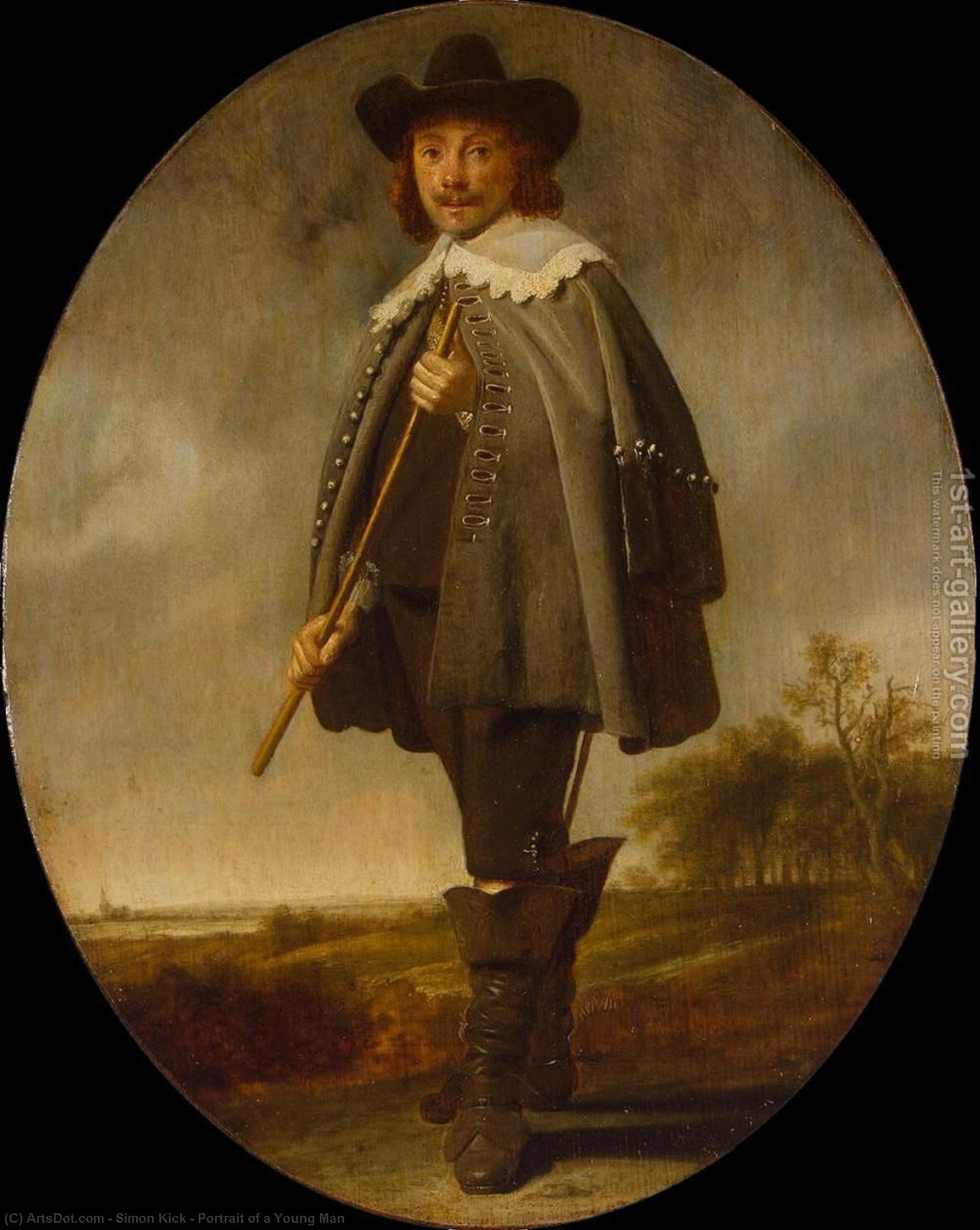
Portrait of a Young Man
 Oil On Panel
- WallArt
- Dutch Golden Age
 1640
1640- Early Modern
 39.0 x 31.0 cm
 Hermitage Museum
 Pročitaj više
Ručno rađena uljana reprodukcija
Ručno oslikano uljanim bojama na platnu u dimenzijama i okviru po vašem izboru, izrađeno po porudžbini od strane naših umetnika. ( Kupi print Kupi digitalnu sliku)




P118B $10

P118H $10

P118W $10

P438Z $10

P508JH $12

P508YH $12

P805H $10

P805Z $10

P919BZ $10

P919G $10

P919XJ $10

P959ZH $10

P968JZ $12

W106C $8

W218G $10

W218JH $8

W218Y $10

W307PJ $10

W316G $10

W316PJ $8

W316Y $10

W398PJ $8

W4111J $10

W500HY $15

W500JH $15

W692G $12

W849H $8

W940BG $15

W953PJ $8




Izaberite jednu od naših unapred definisanih veličina koje odgovaraju originalnim proporcijama umetničkog dela.

Можете унети сопствене димензије како бисте прилагодили дело одређеном оквиру или простору. Ако одабрана величина не одговара пропорцијама оригинала, слика ће бити исечена или проширена додатним елементима који се ручно насликавају. Дигитални prikaz ће вам бити послат на одобрење пре почетка производње.
Имајте на уму да преглед на екрану не одражава стварно исецање или проширење. Само приказ (mockup) ће тачно приказати коначну композицију.
Иако су доступне прилагођене величине, препоручујемо да одаберете димензију из дефинисане листе како бисте сачували оригиналне пропорције.
Nakon narudžbine, tim ArtsDot.com će klijentu putem e-pošte poslati uputstva i dostaviti prikaz predloženog rešenja
Isporuka širom sveta () za 3/4 nedelje umesto uobičajenih 5 nedelja. (1 септембар). Bez kompromisa po pitanju kvaliteta.

Besplatna ekspresna dostava širom sveta

Visokokvalitetno laneno platno

Kompletno osiguranje transporta

Garancija povraćaja carine i uvoznih dažbina

Garancija vernosti boja

Politika povrata u roku od 60 dana (samo u slučaju nedostataka)

Garancija povrata novca od 100%

Popust pri grupnoj kupovini
 Opcija sa staklom dostupna je samo za dimenzije manje od 110 cm

Portrait of a Young Man
Tehnika reprodukcije
Dimenzije reprodukcije
-


Konačna cena
$ 263
A Glimpse into the Soul of Delft
In the quiet, evocative depths of Simon Kick’s Portrait of a Young Man, we find more than just a likeness; we encounter a window into the very heart of the Dutch Golden Age. Painted around 1640, this masterpiece serves as a profound testament to an era defined by its meticulous observation of the human condition and its reverence for dignity. The subject, a young man captured in a moment of poised stillness, is presented with a gravity that transcends time. Dressed in the formal attire of his period—a dark, heavy coat, a hat adorned with delicate feathers, and sturdy boots—he carries an air of quiet authority. Whether he was a figure of military service or a member of the burgeoning governing class, his presence commands the viewer's attention, inviting us to contemplate the life and social standing that once flourished in the vibrant streets of Delft.
The brilliance of Kick’s technique lies in his ability to marry anatomical precision with an almost tactile sense of texture. Through the traditional medium of oil on canvas, the artist employs a masterful use of layering and blending to create surfaces that seem to breathe. One can almost feel the weight of the fabric in his coat and the soft, organic plume of the feathers upon his hat. This realism is heightened by the dramatic application of chiarosceduro, a hallmark of Baroque influence. The interplay between light and shadow does not merely illuminate the subject; it sculptates him. Light falls across the man’s face with a directional intensity, carving out the contours of his features and lending a three-dimensional depth that makes the portrait feel remarkably immediate, as if the sitter might step forward from the shadows at any moment.
The Elegance of Muted Grandeur
Visually, the painting is a study in sophisticated restraint. The color palette is dominated by a somber yet dignified arrangement of muted browns, deep grays, and midnight blacks. This tonal harmony creates an atmosphere of introspection and permanence, making it an ideal centerpiece for spaces that value classical elegance and intellectual depth. While the background remains softly shadowed and largely indistinct, a subtle, atmospheric landscape peeks through, providing a sense of spatial recession and connecting the individual to the wider world beyond the frame. This careful use of perspective ensures that while the man is the undisputed protagonist, he exists within a larger, breathing context.
For the discerning collector or interior designer, this portrait offers an unparalleled opportunity to introduce a sense of historical weight and artistic prestige into a contemporary setting. The painting’s emotional impact is one of quiet strength and timelessness—a piece that does not shout for attention but rather commands respect through its subtle complexity. As a high-quality reproduction, it brings the luminous textures and dramatic lighting of the 17th-century Dutch masters into the modern home, offering an enduring source of inspiration and a sophisticated touch of Old World charm.
Srodna umetnička dela




Biografija umetnika
A Delft Painter of Soldiers and Family: The Life and Art of Simon Kick
Simon Kick, a name perhaps less immediately recognizable than some of his Dutch Golden Age contemporaries, nevertheless occupies an important niche in the artistic landscape of 17th-century Netherlands. Born in Delft in 1603 and passing away in Amsterdam in 1652, Kick dedicated his career to capturing the world around him – primarily through insightful portraits and lively genre scenes populated with soldiers and horsemen. His was a relatively brief but productive artistic life, one deeply interwoven with familial connections that shaped both his personal journey and his creative development. He wasn’t merely an observer of his time; he was a participant in its vibrant artistic community, contributing to the flourishing art market while laying the groundwork for future generations through his son, Cornelis Kick, who would find success as a still life painter.Delft Beginnings and Intertwined Destinies
Kick’s origins were humble; his father was a varnish worker in the bustling city of Delft. However, it's the complex web of relationships he formed through marriage that truly illuminates the artistic climate of the era. On a single day, a double engagement took place that would bind two families and potentially influence their respective artistic paths. Willem Cornelisz Duyster, a fellow painter, became engaged to Simon’s sister, Margrieta, while simultaneously, Simon himself married Christina (Stijntje) Duyster – Willem's sister. This remarkable coincidence speaks volumes about the close-knit nature of Delft’s artistic circles and suggests a fertile ground for exchange of ideas and techniques between Kick and his brother-in-law. Such familial connections were common in the period, fostering collaboration and mutual support within the art world. From this union came seven children, most notably Cornelis Kick, who would carry on the family legacy as a painter specializing in still lifes.Artistic Style: Realism Tempered with Dignity
Simon Kick’s artistic style is characterized by a compelling realism and meticulous attention to detail, particularly evident in his portraits. Early works reveal the influence of Gerrit van Lievens, a prominent artist known for his masterful use of chiaroscuro – the dramatic interplay of light and shadow. This early exposure instilled in Kick a sensitivity to tonal variations and an ability to create depth and atmosphere within his compositions. While he explored various subjects throughout his career, it was his depictions of soldiers and horsemen that secured his reputation. These genre scenes reflect the military preoccupations prevalent during the Dutch Golden Age, a period marked by conflict and expansion. However, Kick’s approach wasn't simply about documenting these figures; he imbued them with a sense of quiet dignity and individual character. His portraits demonstrate a keen observational skill, capturing not only physical likeness but also conveying personality through subtle gestures and expressions. The use of muted tones and rich textures further enhances this effect, creating works that are both visually appealing and emotionally resonant.Notable Works and Lasting Influence
Although Kick’s *oeuvre* isn't as extensive as some of his contemporaries, several paintings stand out as representative examples of his skill and artistic vision. An Old Man with Folded Arms (1639), exemplifies his early style, showcasing the influence of Lievens and demonstrating his ability to render realistic detail with remarkable precision. The painting’s somber mood and careful attention to texture create a compelling portrait of age and contemplation. The Parable of the Unworthy Wedding Guest (c. 1644), attributed to Kick, offers insight into his narrative abilities within genre scenes, revealing a talent for storytelling through visual means. Numerous versions exist of Portrait of a Young Man, each demonstrating his proficiency in portraiture and his capacity to convey character through subtle nuances. Beyond these individual works, perhaps Kick’s most significant achievement lies in his role as the father of Cornelis Kick. By nurturing his son's artistic talent, he contributed to the continuation of the family’s legacy within Dutch art history, ensuring that the name “Kick” would remain associated with quality and craftsmanship for generations to come.A Legacy Within the Golden Age
Simon Kick’s historical significance resides in his position as a representative artist of the Dutch Golden Age and his familial connection to both Willem Duyster and Cornelis Kick. He embodies a generation of painters who contributed to the thriving art market of the 17th century, responding to the demands of a burgeoning middle class eager to acquire works that reflected their status and values. While he may not be as widely celebrated as Rembrandt or Vermeer, his paintings offer valuable insights into the artistic trends and social concerns of his time. His influence is most clearly seen in the work of his son, Cornelis Kick, whose success helped solidify the family’s place within Dutch art history. Simon Kick's legacy isn’t one of revolutionary innovation, but rather of consistent quality, thoughtful observation, and a dedication to capturing the essence of life in 17th-century Netherlands – a testament to the enduring power of realism and human connection in art.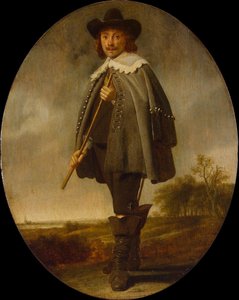
Simon Kick
1603 - 1652 , Netherlands
Osnovne informacije
- Artistic Movement Or Style: Dutch Golden Age, Baroque
- Artists Or Movements Influenced By This Artist: ['Cornelis Kick']
- Artists Who Influenced This Artist: ['Gerrit van Lievens']
- Date Of Birth: 1603
- Date Of Death: 1652
- Full Name: Simon Kick
- Nationality: Dutch
- Notable Artworks:
- An Old Man with Folded Arms
- The Parable of the Unworthy Guest
- Portrait of a Young Man
- Place Of Birth: Delft, Netherlands
Povezani članci

Zlatno doba Holandske umetnosti: Top 10 remek dela za vaš dom
Otkrijte remek dela Holandskog zlatnog doba! Uronite u svet Rembrandta, Vermeera i drugih majstora. 10 ikoničnih slika koje su definisale umetnost. Inspiracija za vaš dom i kolekciju - ekskluzivne reprodukcije na ArtsDot.com!

Golden Age Reflections: Dutch Baroque Painting & Cultural Innovation
Explore the Dutch Golden Age of painting! Discover key artists like Vermeer & ter Borch, their innovative techniques, and the rich cultural context behind these Baroque masterpieces. Learn about collecting & appreciating this iconic art period.

Illuminating Innovation: Exploring the Dutch Golden Age of Painting
Explore the Dutch Golden Age of painting with ArtsDot. Discover Rembrandt, Vermeer & other Masters. Learn about key characteristics, iconic artworks, and lasting influence. Expert insights for collectors & enthusiasts.
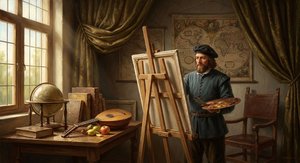
Illuminating Realism: Exploring the Dutch Golden Age of Painting (1600-1700)
Explore the Dutch Golden Age of painting (1600-1700) with ArtsDot. Discover Rembrandt, Vermeer & other masters. Learn about techniques, history & find museum-quality reproductions.
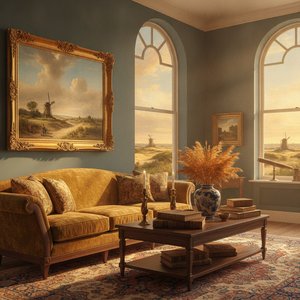
Golden Light & Dutch Skies: Bringing the Magic of Dutch Golden Age Landscapes into Your Home
Transform your home with the breathtaking light of Dutch Golden Age landscapes. Discover how hand-painted oil reproductions of masterworks like Ruisdael and Vermeer bring timeless elegance, atmosphere, and soulful texture to modern interiors. Elevate your space with museum-quality art.

