

 Pregledaj u prostoru
 Pošalji
 Podeli
 Detalji o delu

 Преузми
 Slični predmeti
 Rendgenski snimak
 Slajdovi
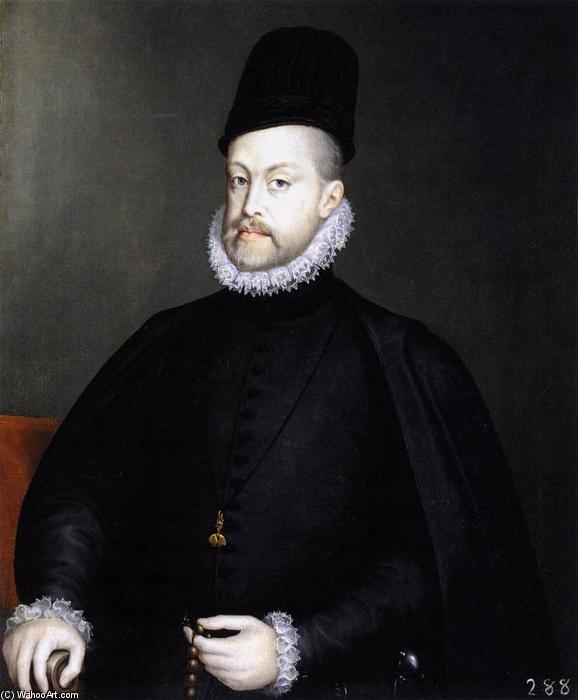
Philip II Holding a Rosary
 Oil On Canvas
- WallArt
- Renaissance
 1573
1573 88.0 x 72.0 cm
 Museo del Prado
 Pročitaj više
Ručno rađena uljana reprodukcija
Ručno oslikano uljanim bojama na platnu u dimenzijama i okviru po vašem izboru, izrađeno po porudžbini od strane naših umetnika. ( Kupi print Kupi digitalnu sliku)




P118B $10

P118H $10

P118W $10

P438Z $10

P508JH $12

P508YH $12

P805H $10

P805Z $10

P919BZ $10

P919G $10

P919XJ $10

P959ZH $10

P968JZ $12

W106C $8

W218G $10

W218JH $8

W218Y $10

W307PJ $10

W316G $10

W316PJ $8

W316Y $10

W398PJ $8

W4111J $10

W500HY $15

W500JH $15

W692G $12

W849H $8

W940BG $15

W953PJ $8




Izaberite jednu od naših unapred definisanih veličina koje odgovaraju originalnim proporcijama umetničkog dela.

Можете унети сопствене димензије како бисте прилагодили дело одређеном оквиру или простору. Ако одабрана величина не одговара пропорцијама оригинала, слика ће бити исечена или проширена додатним елементима који се ручно насликавају. Дигитални prikaz ће вам бити послат на одобрење пре почетка производње.
Имајте на уму да преглед на екрану не одражава стварно исецање или проширење. Само приказ (mockup) ће тачно приказати коначну композицију.
Иако су доступне прилагођене величине, препоручујемо да одаберете димензију из дефинисане листе како бисте сачували оригиналне пропорције.
Nakon narudžbine, tim ArtsDot.com će klijentu putem e-pošte poslati uputstva i dostaviti prikaz predloženog rešenja
Isporuka širom sveta () za 3/4 nedelje umesto uobičajenih 5 nedelja. (23 август). Bez kompromisa po pitanju kvaliteta.

Besplatna ekspresna dostava širom sveta

Visokokvalitetno laneno platno

Kompletno osiguranje transporta

Garancija povraćaja carine i uvoznih dažbina

Garancija vernosti boja

Politika povrata u roku od 60 dana (samo u slučaju nedostataka)

Garancija povrata novca od 100%

Popust pri grupnoj kupovini
 Opcija sa staklom dostupna je samo za dimenzije manje od 110 cm

Philip II Holding a Rosary
Tehnika reprodukcije
Dimenzije reprodukcije
-


Konačna cena
$ 263
Opis umetničkog dela
The Majesty of Authority: Alonso Sánchez Coello’s ‘Philip II Holding a Rosary’
Alonso Sánchez Coello's “Philip II Holding a Rosary,” painted in 1573, is more than just a portrait; it’s a meticulously crafted embodiment of royal power and deeply rooted religious devotion within the turbulent landscape of late 16th-century Spain. The painting immediately commands attention with its dramatic lighting – a stark chiaroscuro emanating from the upper left corner that sculpts Philip II's face, highlighting his prominent nose, thoughtful gaze, and the weighty folds of his velvet doublet. This masterful use of light isn’t merely aesthetic; it serves to elevate the king, casting him in a position of solemn authority against a subtly rendered, almost impenetrable background.
Coello, working within the established traditions of Flemish objectivity and Venetian sensuality – a synthesis he uniquely embodied – has created an image that is both strikingly realistic and imbued with symbolic weight. The subject’s attire—the rich black velvet, the lace cuffs, the elaborate brooch— speaks volumes about his status as ruler of a vast empire, reflecting the opulence and grandeur associated with the Spanish court. Yet, it's the central element – the rosary held in his hand – that anchors the portrait to a profound spiritual dimension. This isn’t simply an accessory; it represents Philip II’s commitment to Catholicism, a cornerstone of his reign and a vital tool for maintaining control over both his subjects and the Church itself.
A Masterclass in Renaissance Technique
The painting's execution reveals Coello’s exceptional skill as a painter. He employs a meticulous approach, utilizing layered brushstrokes to build texture and depth – particularly evident in the fabric of the doublet and the intricate details of the beard. The use of oil paints allows for subtle gradations of color and a remarkable level of realism, capturing not just the likeness of Philip II but also his personality—a sense of quiet contemplation and regal bearing. The sharp lines defining the face and clothing are balanced by softer transitions in the drapery, creating a harmonious blend of precision and fluidity. The composition is carefully balanced, with the figure occupying the central vertical axis, reinforcing his dominance within the frame.
- Medium: Oil on Canvas
- Size: 88 x 72 cm
- Date: 1573
Historical Context and Royal Symbolism
To fully appreciate “Philip II Holding a Rosary,” it’s crucial to understand the historical context in which it was created. Spain under Philip II was at the height of its imperial power, yet also grappling with internal challenges – religious conflict, economic instability, and the looming threat of external enemies. The king's unwavering commitment to Catholicism served as both a unifying force and a justification for his expansive empire. The rosary itself became a potent symbol of this faith, representing Philip II’s piety and his role as protector of the Catholic Church.
Furthermore, the portrait reflects the prevailing artistic trends of the Renaissance – a renewed interest in classical ideals combined with a fascination with humanism and realism. Coello's work exemplifies this synthesis, creating an image that is both aesthetically pleasing and intellectually stimulating. The inclusion of details like the Golden Fleece emblem on his hat further reinforces his status as a powerful ruler, linking him to the legacy of past monarchs and the grandeur of the Spanish Empire.
A Timeless Portrait of Power and Faith
“Philip II Holding a Rosary” is more than just a historical document; it’s a compelling work of art that continues to resonate with viewers today. The painting's dramatic composition, masterful technique, and profound symbolism combine to create an image of enduring power and beauty. It offers a glimpse into the mind of one of Spain’s most influential monarchs and provides a poignant reflection on the intersection of faith, authority, and artistic expression. Reproductions of this iconic portrait remain highly sought after by collectors and interior designers alike, offering a chance to bring a touch of Renaissance majesty into any space.
Srodna umetnička dela
Biografija umetnika
Rani život i obuka
- Rođen: Benifaió, Španija (1531)
- Proveo je detinjstvo u okolini Valensije, sve do smrti svog oca.
- Oko 1541/4acije godine, preselio se u Portugaliju kako bi živeo sa svojim dedom, plemićem u službi portugalskih monarha.
- Studirao je kod Antonisa Mora (Antonio Moro) u Flandru oko 1550. godine.
- Dobio je pokroviteljstvo od Antoana de Granvila, biskupa Arasa, koji je bio takođe Morov pokrovitelj.
Karijera na španskom dvoru
- Radio je za portugalsku kraljevsku porodicu, a kasnije i za dvor Juana Manuela, princa Portugalije.
- Prešao je na španski dvor Filipa II godine 1555, po preporuci Juane, Filipove sestre.
- Postao je dvorski slikar 1560. godine.
- Oko 1560/61. godine oženio se Luisom Rejaltes, ćerkom srebrara.
- Njegova ćerka, Isabel Sančez, takođe je postala slikarka i pomagala mu u radionici.
- Zajedno sa dvorom preselio se u Toledo, a 1561. godine se nastanio u Madridu.
Umetnički stil i uticaji
- Stil: Spojio je flamansku objektivnost sa venecijanskom senzualnošću.
- Uticaji: Primarno je bio pod uticajem Antonisa Mora i Ticinija.
- Od Mora je naučio preciznost.
- Od Ticinija je preuzeo venecijanske zlatne tonove, bogatstvo izrade i umetničko korišćenje svetlosti.
- Poznat je po portretima koji odlikuju prirodnost poza, dostojanstvo, suzdržanost i toplina boja.
Velika dela i dostignuća
- Stvarao je kako portrete, tako i religiozna dela.
- Njegova religiozna dela bila su konvencionalna, ali pokazuju strog, asketski stil.
- Značajni portreti:
- Filip II držeći brojanicu (1573)
- Portreti infante Isabel Klare Eugenije (1571)
- Serija slika koja prikazuje decu Filipa II.
- Dvostruki portret infanta Isabele Klare Eugenije i Kataline Mikale (1568–9).
- Slikao je religiozna dela za El Eskorial.
- Izradio je topografski prikaz luke u Sevilli.
Nasleđe i istorijski značaj
- Njegova reputacija portretiste bila je zakomplikovana brojnim kopijama i imitacijama.
- Smatra se značajnom figurom španske renesanse, naročito zbog svojih dvoranskih portreta.
- Njegov rad je uticao na kasnije umetnike, uključujući Velaskeza, posebno u pogledu prikazivanja tekstura poput oklopa i draperija.
- Preminuo je u Madridu 8. avgusta 1588. godine.
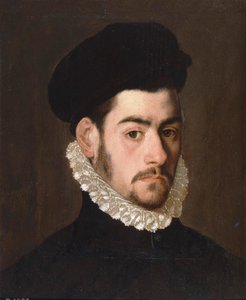
Alonso Sánchez Coello
1531 - 1588 , Španija
Osnovne informacije
- Artistic Movement Or Style: Španski renesans
- Artists Or Movements Influenced By This Artist:
- Juan Pantoja de la Cruz
- Felipe de Liaño
- Artists Who Influenced This Artist:
- Anthonis Mor
- Tizijan
- Date Of Birth: oko 1531.
- Date Of Death: 1588.
- Full Name: Alonso Sánchez Coello
- Nationality: Iberijski
- Notable Artworks:
- Felipe II drži brojanicu
- Portret dame
- Ana Austrijska
- Don Juan Austrijski
- Katarina Austrijska, kraljica
- Place Of Birth: Benifaió, Španija
Povezani članci

The Golden Age Reforged: Dramatic Realism & Religious Zeal in Spanish Baroque Art
Explore the dramatic world of Spanish Baroque art! Discover masters like Zurbarán & the powerful influence of religious zeal on painting techniques – a guide for collectors and enthusiasts.
Rafael de Penagos: A Study in Spanish Portraiture & Artistic Identity
Explore the life & art of Rafael de Penagos, a leading Spanish Art Deco illustrator. Discover his iconic 'Penagos Woman', commercial work, and lasting legacy. Learn about this pivotal figure in 20th-century Spanish art history.
Top 25 Remek-dela Prado Muzeja: Umetnička Baština Španije za Vaš Dom
Istražite 25 remek-dela Prado muzeja u Madridu! Otkrijte priče iza Velázqueza, Goye i El Greca. Pronađite inspiraciju za dekoraciju enterijera uz reprodukcije slika vrhunskog kvaliteta na ArtsDot.com.
José Gutiérrez Solana: A Chronicle of Spanish Society Through Expressionist Vision
Explore the captivating world of José Gutiérrez Solana, a pivotal Spanish Expressionist painter. Discover his haunting depictions of early 20th-century Spain, influenced by Goya & El Greco. Learn about his key works and lasting legacy.
Manuel Benedito Vives: A Study of Light, Color & Emotional Resonance in Contemporary Spanish Painting
Explore the captivating world of Manuel Benedito Vives, a celebrated Spanish painter influenced by Sorolla. Discover his masterful portraits, luminous landscapes & enduring legacy – a favorite of the Spanish Royal Family. Art collectors will appreciate this in-depth study.

