The Postwar Canvas: Economic Prosperity and the Rise of Consumerism
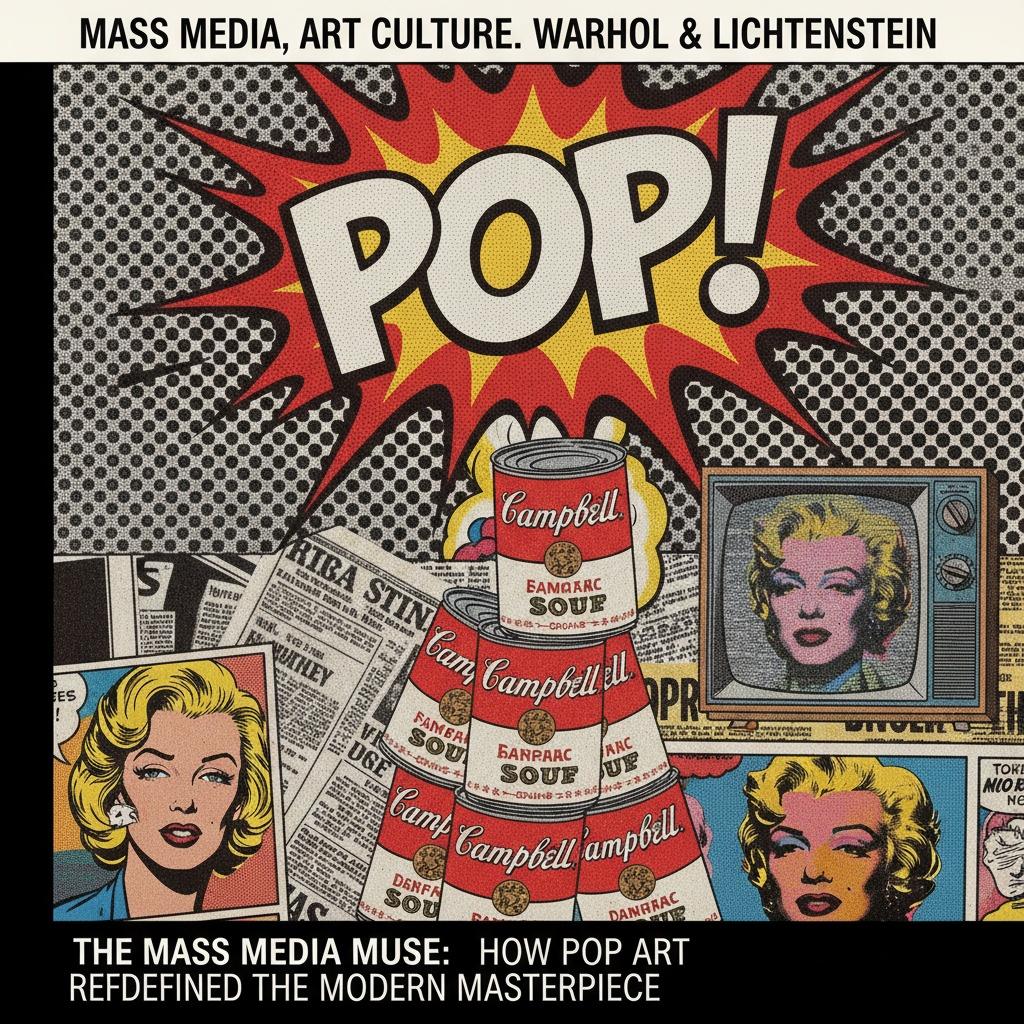
 The Mass Media Muse: How Pop Art Redefined the Modern Masterpiece
The Postwar Canvas: Economic Prosperity and the Rise of Consumerism To understand the seismic shift brought about by Pop Art, one must first look to the landscape of the post-World War II era, a period defined by an unprecedented surge in economic vi...
To truly grasp the vibrant eruption of Pop Art, one must first look back at the quiet, transformative years following the Second World War. As the shadows of global conflict receded, they were replaced by a neon glow of unprecedented economic expansion. In America and parts of Europe, a new landscape emerged—one defined by the steady rise of the middle class and the blossoming of the suburban dream. This was an era where mass-produced homes provided a newfound sense of stability, and the hum of the television began to replace the crackle of the radio as the heartbeat of the household.
This period of prosperity was about more than just material wealth; it was about the democratization of experience. The accessibility of inexpensive, mass-produced goods created a new social fabric woven with threads of convenience and abundance. As the airwaves filled with the rhythmic sounds of rock and roll, the objects of daily life—from the humble soup can to the glossy magazine cover—became universal touchstones. This shared visual language provided the fertile soil for a cultural revolution, where the boundaries between the private home and the public marketplace began to dissolve into something entirely new.
The Mass Media Muse: Finding Divinity in the Mundane
--- title: Consumer goods, mass media, and popular culture | MoMA author: Starr Figura url: https://www.moma.org/collection/terms/pop-art/consumer-goods-mass-media-and-popular-culture hostname: moma.org sitename: The Museum of Modern Art date: 2024-0...
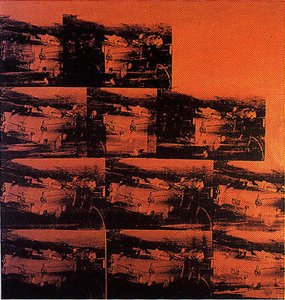
In this landscape of abundance, a new generation of artists realized that the true subject of modern life was no, in fact, found in grand historical narratives, but in the very items sitting on their kitchen tables and the flickering images on their screens. This was the birth of the mass media muse. Artists began to look for inspiration in their immediate environment, finding a strange, hypnotic beauty in the repetitive nature of advertising and celebrity culture.
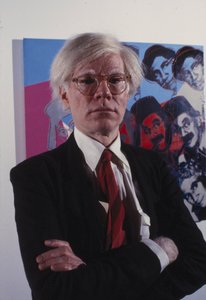
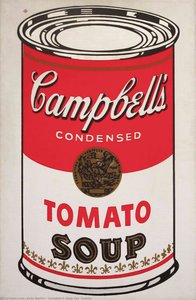
Consider the work of Andy Warhol, perhaps the most luminous star of this movement. He possessed an uncanny ability to find the divine within the mundane, using his signature silkscreen techniques to transform everyday commodities like Campbell’s Soup Cans into icons of high art. By repeating these images, he mirrored the way we consume media—layer upon layer, until the object becomes part of our collective visual DNA. There is a profound, almost spiritual quality in this recognition of the ordinary; it invites us to pause and find meaning in the fleeting, much like how we at ArtsDot.com encourage our collectors to find beauty in the personal moments captured in their own custom portraits.
Blurring the Boundaries: The Great Collapse of High and Low Culture
Highbrow/Lowbrow: The Emergence of Cultural Hierarchy in America is a nonfiction book by Lawrence W. Levine. It was originally published by Harvard University Press in 1988. == Synopsis == Levine's argument is that during the first half of the 19th c...
Before the Pop Art revolution, the art world was often divided by a rigid hierarchy between "high" fine art and "low" popular culture. There was a clear distinction between the museum-worthy oil painting and the "kitsch" of comic strips or advertisements. Pop Art arrived like a seismic shift, intentionally challenging these traditions by elevating the banal and the mass-produced to the status of a masterpiece.
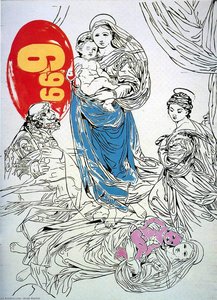
By incorporating imagery from advertising, product packaging, and even the most ephemeral celebrity news, Pop artists effectively collapsed the boundaries between elite and popular culture. This movement embraced irony and ambiguity, forcing the viewer to question what truly deserves our attention. It was a rebellion against the stifling conformity of the era, a way to celebrate the vibrant, often chaotic energy of modern life. This spirit of "remixing" history is something we hold dear at ArtsDot.com, where we allow our clients to transform a modern selfie into a 17
Technique of the Masses: Mechanical Reproduction and the New Aesthetic
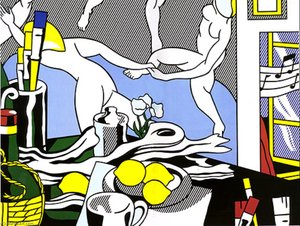 Studio the dance
The Electric Energy of Pop Iconography To stand before a piece channeling the spirit of Roy Lichtenstein’s "Studio the dance" is to be enveloped in a vibrant, almost comic-book explosion of color and narrative energy. This work is not merely a depict...
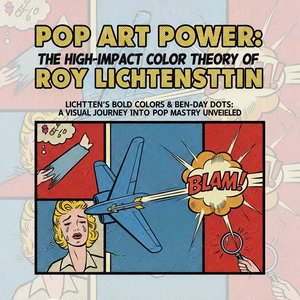
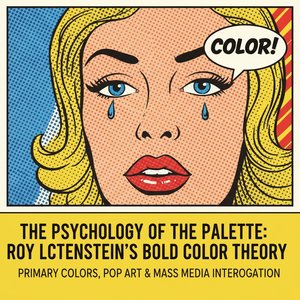
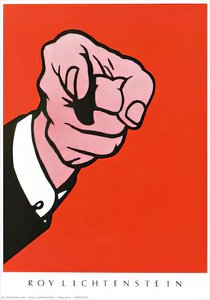
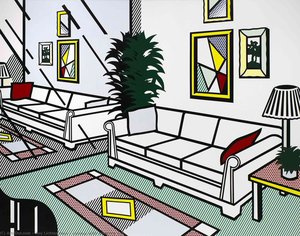
The aesthetic of Pop Art is inextricably linked to the technology of its time. Artists like Roy Lichtenstein masterfully utilized the visual language of mass media, most notably through his use of Ben-Day dots. By meticulously simulating the mechanical printing processes found in comic books, Lichtenstein created works that felt both intensely graphic and strikingly modern. His pieces, such as Studio the dance, capture an electric energy, using bold outlines and saturated color fields to transform a stylized interaction into a monumental artistic statement.
This fascination with mechanical precision creates a fascinating tension for the modern collector. While Pop Art celebrated the look of mass production, there is a unique soul found in the hand-made version of these aesthetics. At ArtsDot.com, our artists take this inspiration and elevate it through Handmade Oil Reproductions. Rather than a flat, computer-printed look, our specialists use thick, visible brushstrokes and a deep tonal range to recreate the essence of Pop icons on 100% cotton canvas. We bring the texture and the "impasto" feel back to the movement, ensuring that even when we celebrate the mechanical, the final piece remains a tactile, one-of-a-kind treasure.
The Vibrant Legacy: Infusing Modern Interiors with Pop Energy
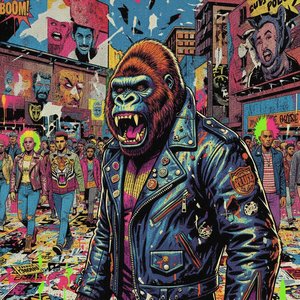 Aggressive Pop Art: The High-Impact Movement Redefining Street Style and Urban Design
The Death of Minimalism: Why Aggressive Pop is Reclaiming Modern Interiors Modern Remix: How Classical Icons Fuel Today's Boldest Street & Pop Art Trend Forecast The Death of Minimalism: Why Bold Pop Aesthetics are Reclaiming Modern Interiors Pop Art...
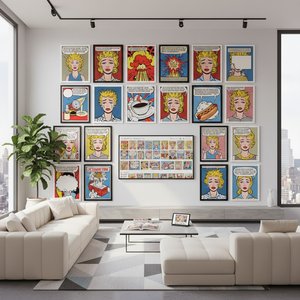
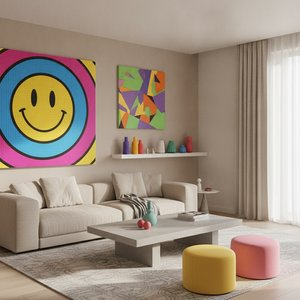
Today, the legacy of the Pop Art revolution lives on in our homes and our design choices. The movement’s bold use of primary colors and its embrace of playful, recognizable imagery continue to inspire those looking to add personality and "vibe" to their living spaces. For the modern decorator—the person looking to move away from sterile, beige minimalism—Pop Art offers a way to inject joy, color, and conversation into any room.
Whether it is a large-scale multi-panel set spanning a wide wall or a custom-painted portrait of a beloved pet in a bold, graphic style, the principles of Pop Art allow for endless creativity. You can browse our collections by color palette or mood, finding pieces that resonate with your unique aesthetic. At ArtsDot.com, we believe that art should be a personal journey of discovery. From our professional digital mockups that let you see a piece on your wall before it is even painted, to our ability to transform your most cherished photos into museum-quality oil paintings, we are here to help you build a collection that is as vibrant and dynamic as the Pop Art movement itself. For more inspiration and to explore the intersection of history and modern living, visit ArtsDot.com.