The Theater of Light: Understanding Chiaroscuro and Emotional Depth
 Chiaroscuro
In art, chiaroscuro (English: kee-AR-ə-SKOOR-oh, -SKURE-, Italian: [ˌkjaroˈskuːro]; lit. 'light-dark') is the use of strong contrasts between light and dark, usually bold contrasts affecting a whole composition. It is also a technical term used by a...
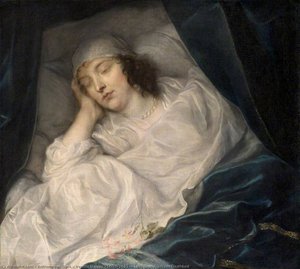
To step into the world of Baroque painting is to surrender to a theater of light and shadow, where every brushstroke breathes with an intensity that refuses to be ignored. Unlike the serene, balanced stillness of the Renaissance, the Flemish Baroque era introduced a profound sense of movement, tension, and emotional urgency. At the heart of this transformation lies
chiaroscuro—the breathtaking interplay between deep, swallowing darkness and piercing, divine light. This technique does more than merely illuminate a subject; it sculpts volume and directs the viewer's gaze with cinematic precision. Imagine walking through a darkened cathedral where a single, concentrated beam of sunlight cuts through the gloom to reveal a weeping face or a muscular, twisting form. This deliberate mastery of contrast was designed to bridge the gap between the earthly and the divine, making the spiritual experience feel visceral and tactile.
In the hands of the masters, light becomes a storyteller. It is not merely an environmental factor but a tool used to evoke the very essence of human struggle and religious ecstasy. When we observe these works today, we are witnessing the pulse of a transformative age that sought to overwhelm the senses and stir the soul. This dramatic use of shadow creates a sense of mystery, inviting us to peer into the obscured corners of the canvas, much like discovering a hidden truth within our own lives. By embracing this interplay of light and dark, one can bring a sense of profound depth and contemplative weight to any modern setting, turning a simple room into a space of dramatic resonance.
Masters of Motion: The Dynamic Legacies of Rubens and Van Dyck
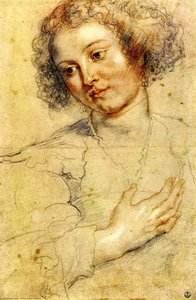
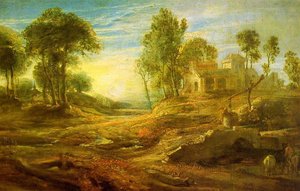
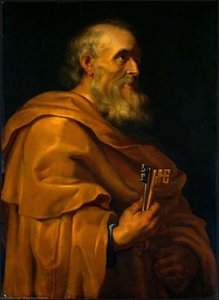
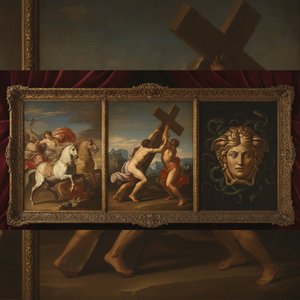 Masterpieces of Motion: The Top 25 Greatest Artworks by Peter Paul Rubens
Introduction Imagine stepping into a space where the air feels heavy with drama, where every shadow pulses with life, and where color doesn't just sit on a canvas—it breathes. This is the world of Peter Paul Rubens , the undisputed heavyweight champi...
The Flemish Baroque was anchored by the artistic nexus of Antwerp, a city that flourished under the influence of titans like
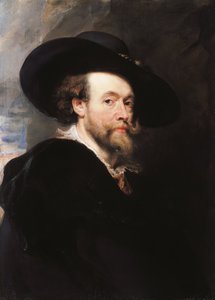
Peter Paul Rubens and
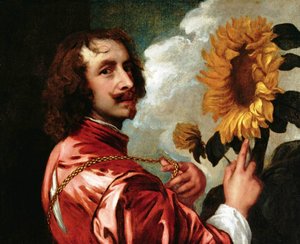
Sir Anthony van Dyck. To look upon a Rubens masterpiece is to witness a sensory explosion; it is an experience defined by muscular movement, swirling fabrics, and skin tones that seem to glow with an inner warmth. Rubens was the undisputed heavyweight of the era, engineering spectacles on canvas that captured the raw energy of mythological battles and religious triumphs. His work does not simply sit upon the surface; it breathes with a vitality that makes color feel as though it is pulsing through the very fibers of the cloth.
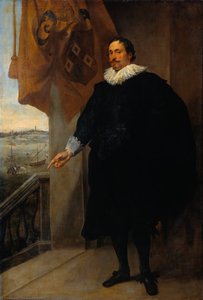
In contrast, his student Van Dyck refined this muscular energy into something much more sophisticated—a sleek, effortless elegance that defined the concept of prestige for the European aristocracy. If Rubens provided the heartbeat, Van Dyck provided the soul of portraiture. He did not merely paint faces; he engineered icons. In works such as his
Portrait of Sir Thomas Chaloner, one can sense the quiet power of the elite through the meticulous rendering of velvet, lace, and posture. His ability to capture
sprezzatura—that studied nonchalance where power appears entirely natural—created an aesthetic of "cool" that has endured for centuries. Together, these masters established a visual language of grandeur, where every texture, from the crispness of a lace collar to the heavy drape of a silk sleeve, whispers of status, intellect, and refined taste.
Designing with Drama: Integrating Baroque Grandeur into Modern Interiors
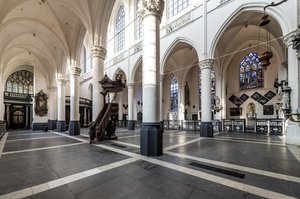 Sint-Jacobskerk
Sint-Jacobskerk: Antwerp’s Baroque Masterpiece – A Symphony of Faith and Art Sint-Jacobskerk, nestled in the heart of Antwerp’s historic center, stands as an unparalleled example of architectural fusion—a Gothic cathedral magnificently transformed by...
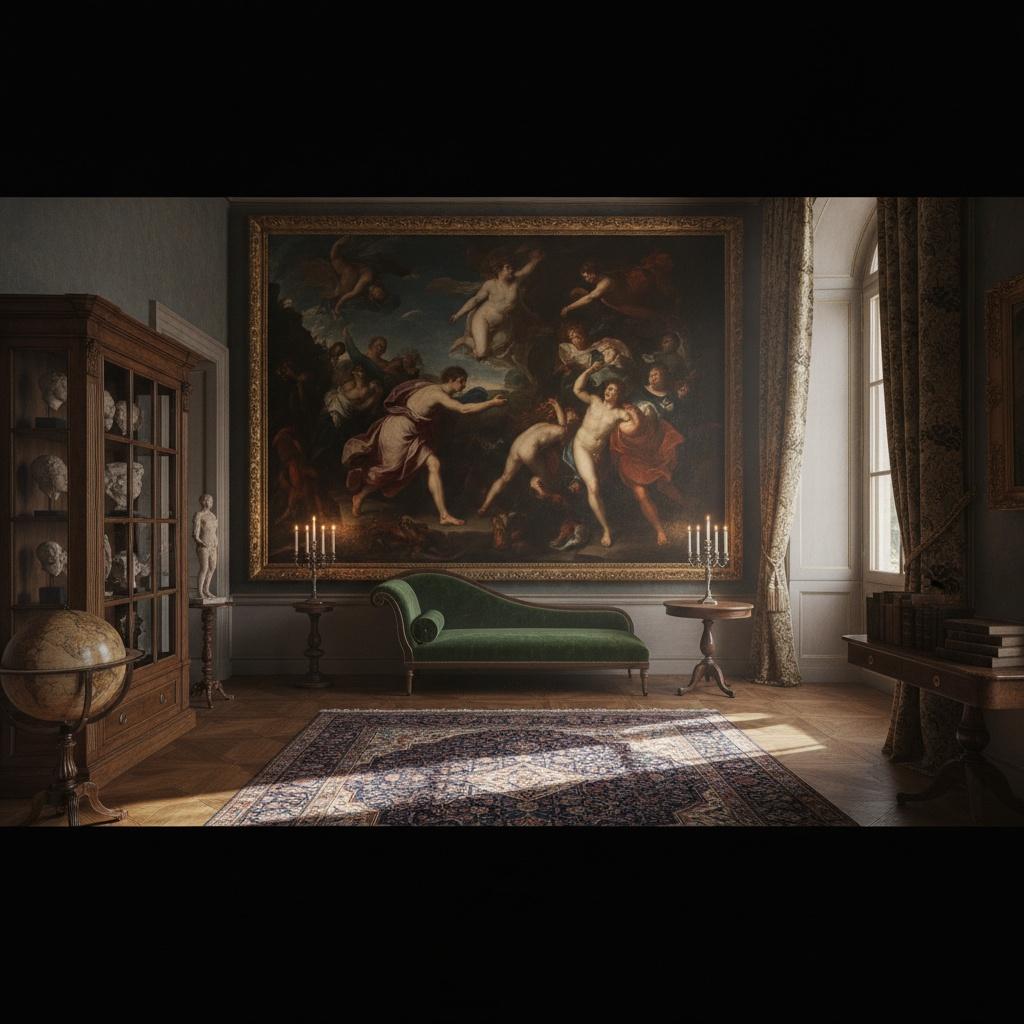
Bringing the grandeur of the Flemish Baroque into a contemporary home is an exercise in curated drama. For the modern enthusiast, this does not necessitate a complete transformation into a museum-like state, but rather the thoughtful integration of high-impact elements that command attention. The key lies in using art as an anchor for the room's emotional atmosphere. A large-scale reproduction featuring the dynamic compositions of Rubens can serve as a breathtaking focal point in a dining room or a grand hallway, providing a sense of movement that prevents a minimalist space from feeling static.
When decorating, consider the power of
multi-panel layouts to create architectural interest. Splitting a dramatic scene across three or even five panels can transform a wide wall into a modern installation, allowing the brushstrokes and colors to flow seamlessly across the architecture of your home. Furthermore, playing with texture is essential. The tactile quality of hand-painted oils—with their visible, impasto brushstrokes and deeper tonal ranges—complements the clean lines of modern furniture by adding much-needed warmth and history. Whether it is a subtle nod through a small, intimate portrait or a bold statement with a large-format canvas, the goal is to create a sanctuary where light and shadow can dance, evoking the same awe that once captivated the great palaces of Europe.
From Canvas to Soul: The Art of Customizing Historical Masterpieces
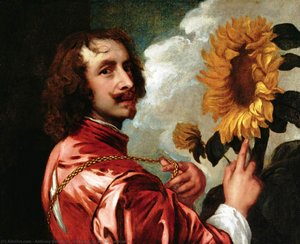
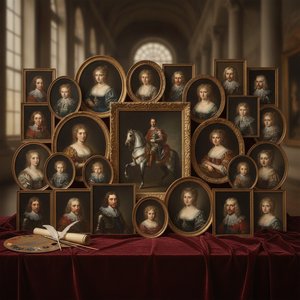 25 Masterpieces by Sir Anthony van Dyck: The King of Baroque Portraiture
Introduction Imagine stepping into a space where the air feels heavy with prestige, where every brushstroke whispers of velvet, lace, and the quiet power of the elite. To look upon the works of Sir Anthony van Dyck is not just to view portraits; it i...
One of the most enchanting aspects of modern art appreciation is the ability to "remix" history to suit your personal narrative. At ArtsDot.com, we believe that art should be a reflection of your unique journey, which is why we offer the opportunity to go beyond mere reproduction. Our
Custom Reproduction Project allows you to transform personal milestones into timeless masterpieces. Imagine the profound emotion of having a wedding portrait or a family photograph reimagined in the light-drenched, dramatic style of the Baroque masters.
This process is far more than a simple copy; it is a creative collaboration. Through our Professional Digital Mockup Service, you can see your vision take shape before a single drop of oil touches the canvas. You might request a "Period Shift," where a modern portrait is reimagined with the regal textures and prestigious aura of a Van Dyck commission, or perhaps you wish to adjust the color palette to perfectly match your existing decor. We even specialize in unique transformations, such as turning a cherished pet portrait into something as grand as a historical general. This level of customization ensures that the final piece is not just a beautiful object, but a deeply personal heirloom that carries the weight and elegance of the seventeenth century into your modern life.
Preserving the Splendor: Caring for Your Hand-Painted Oil Reproductions
 Baroque
The Baroque (UK: bə-ROK, US: bə-ROHK, French: [baʁɔk]) is a Western style of architecture, music, dance, painting, sculpture, poetry, and other arts that flourished from the early 1600s until the 1750s. It followed Renaissance art and Mannerism and p...
Investing in a hand-painted oil reproduction is an investment in a legacy. Unlike mass-produced prints, these works are created with meticulous care using 100% cotton canvas, flexible gesso to prevent cracking, and specific oils—such as safflower for whites—to ensure they never yellow with age. To protect this artistry for generations, proper preservation is paramount. We recommend avoiding direct, harsh sunlight, which can cause pigments to fade over decades, and maintaining a stable environment to protect the delicate varnish.
To further enhance the longevity and aesthetic of your piece, we offer an optional
Aged & Cracked (craquelure) finish, which provides that sought-after antique character found in museum originals. For those seeking a truly finished look, our custom framing services utilize solid wood frames in gold leaf, espresso, or natural finishes, with reinforced stretcher bars designed to prevent warping over time. Every painting is finished with a protective coat of Damar varnish, shielding the surface from dust and atmospheric pollutants. By following these simple care guidelines, you ensure that the vibrant colors and dramatic shadows of your Flemish-inspired masterpiece remain as breathtaking for your grandchildren as they are the day they arrive at your door.