The Silent Language of Line: An Introduction to Hatching and Cross-Hatching
 Hatching
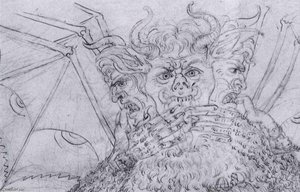
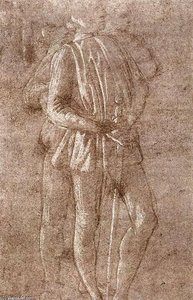
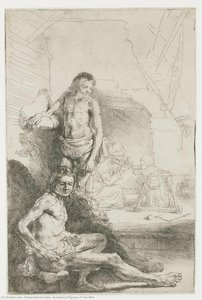
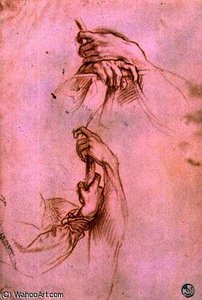
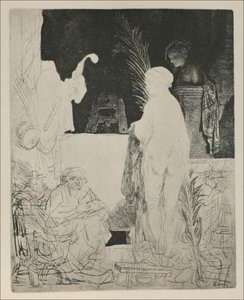
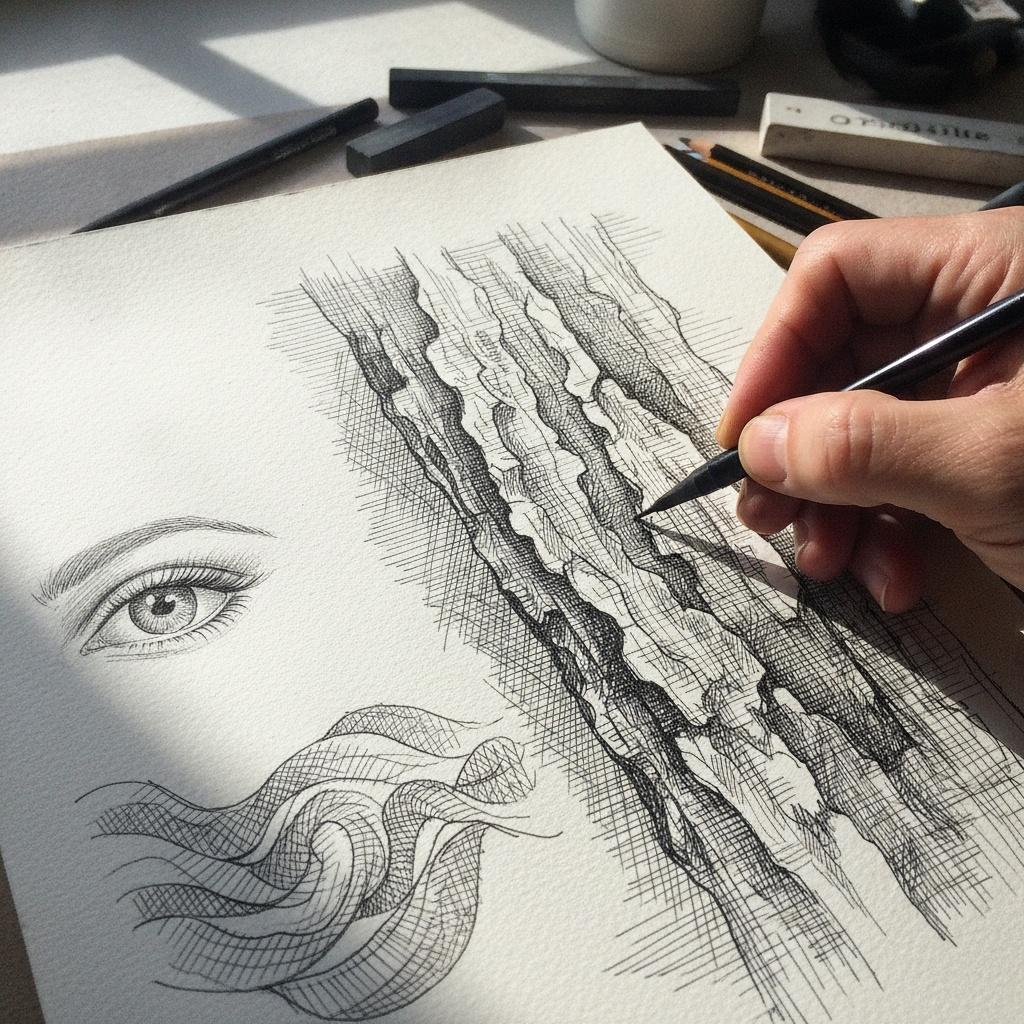
Hatching (French: hachure) is an artistic technique used to create tonal or shading effects by drawing, painting, or scribing closely spaced parallel lines. When lines are placed at an angle to one another, it is called cross-hatching. Hatching is al...
Every profound masterpiece begins with a single, deliberate mark upon a void. Before the vibrant hues of oil paint command our attention in the grand halls of museums, there is the raw, intimate dialogue between an artist’s hand and a blank surface. This dialogue is often written in the silent language of the line. At its most fundamental level, hatching serves as a rhythmic tool used to create tonal effects through closely spaced parallel lines. It is a technique that breathes life into two-dimensional surfaces, allowing a simple stroke to suggest a fleeting shadow or a structural boundary.
When these parallel lines are layered at opposing angles, we encounter the more complex cross-hatching. This method does not merely decorate; it constructs. By manipulating the frequency and direction of these marks, an artist can guide the viewer's eye, creating a sense of movement and rhythm. A line can be as light as a whisper, suggesting the softest glow of dawn, or as heavy and assertive as a deep, architectural shadow. Understanding this technique is akin to learning a new vocabulary, where each stroke contributes to a larger, more meaningful narrative of form and light.
From Medieval Origins to Renaissance Mastery: A Brief Art History of the Stroke
 The Art of the Line: A Masterclass in Drawing Techniques and the Evolution of Graphic Expression
The Primordial Mark: Tracing the Ancient Roots of Line and Form The Enduring Power of Line: Exploring Themes & Techniques in Drawing Across Art History The Primordial Mark: Drawing’s Ancient Roots & Early Functions Before the vibrant hues of paint an...
The history of hatching is woven into the very fabric of Western art. Its origins can be traced back to the Middle Ages, emerging as a necessity in linear media such as drawing, engraving, and woodcut. In an era where color was often a luxury reserved for the most precious illuminations, artists relied on hachure—the French term for hatching—to encode colors and tones within monochromatic representations. This was particularly vital in heraldry, where specific patterns of lines and dots were used to denote different tinctures on shields and seals.
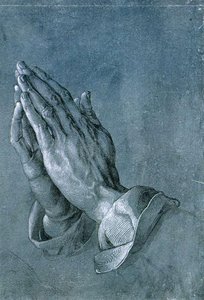
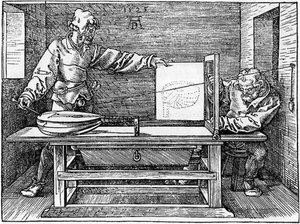
As we moved into the Renaissance, this technique underwent a magnificent evolution. The masters of printmaking, such as Albrecht Dürer, perfected the art of cross-hatching, transforming the medium from simple notation into a sophisticated tool for realism. In the hands of pioneers like Master ES and Martin Schongauer, hatching allowed for an unprecedented level of detail in engravings, enabling them to capture the intricate textures of fabric, the ruggedness of stone, and the delicate anatomy of the human form. This era proved that through the disciplined application of line, one could achieve a complexity that rivaled the most expensive pigments.
Building Dimension: How Varying Line Weight and Density Create Optical Volume
 Mastering the Line: A Comprehensive Expert Guide to Technical Precision and Expressive Depth in Drawing
The Fundamentals of Line: Understanding Weight, Direction, and Contour The genesis of every profound masterpiece begins with a single, deliberate mark upon a void. For the aspiring artist, understanding the line is not merely about tracing edges, but...
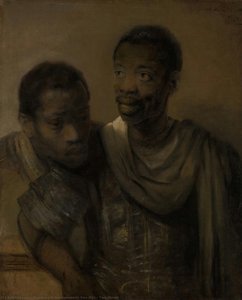
To the untrained eye, a drawing may appear as a flat arrangement of marks, but to the enthusiast, it is a three-dimensional world waiting to be discovered. The true magic of hatching lies in its ability to create the illusion of volume on a flat plane. This is achieved through the strategic manipulation of line weight and density. By increasing the thickness and closeness of the lines, an artist creates darker, heavier areas that appear to recede or provide structural weight. Conversely, lighter, more widely spaced lines allow the brightness of the paper to shine through, creating highlights that seem to push forward toward the viewer.
This interplay is what gives a subject its mass and presence. When hatching lines follow the contour of an object—wrapping around a sphere or curving along the musculature of an arm—they define the object's shape in space. This technique, known as contour hatching, ensures that we perceive form not as a flat silhouette, but as a tangible entity occupying a real environment. It is this careful management of density that allows a simple sketch to possess the gravity and depth of a much more complex composition.
Texture and Tone: Using Layered Lines to Mimic Light, Shadow, and Materiality
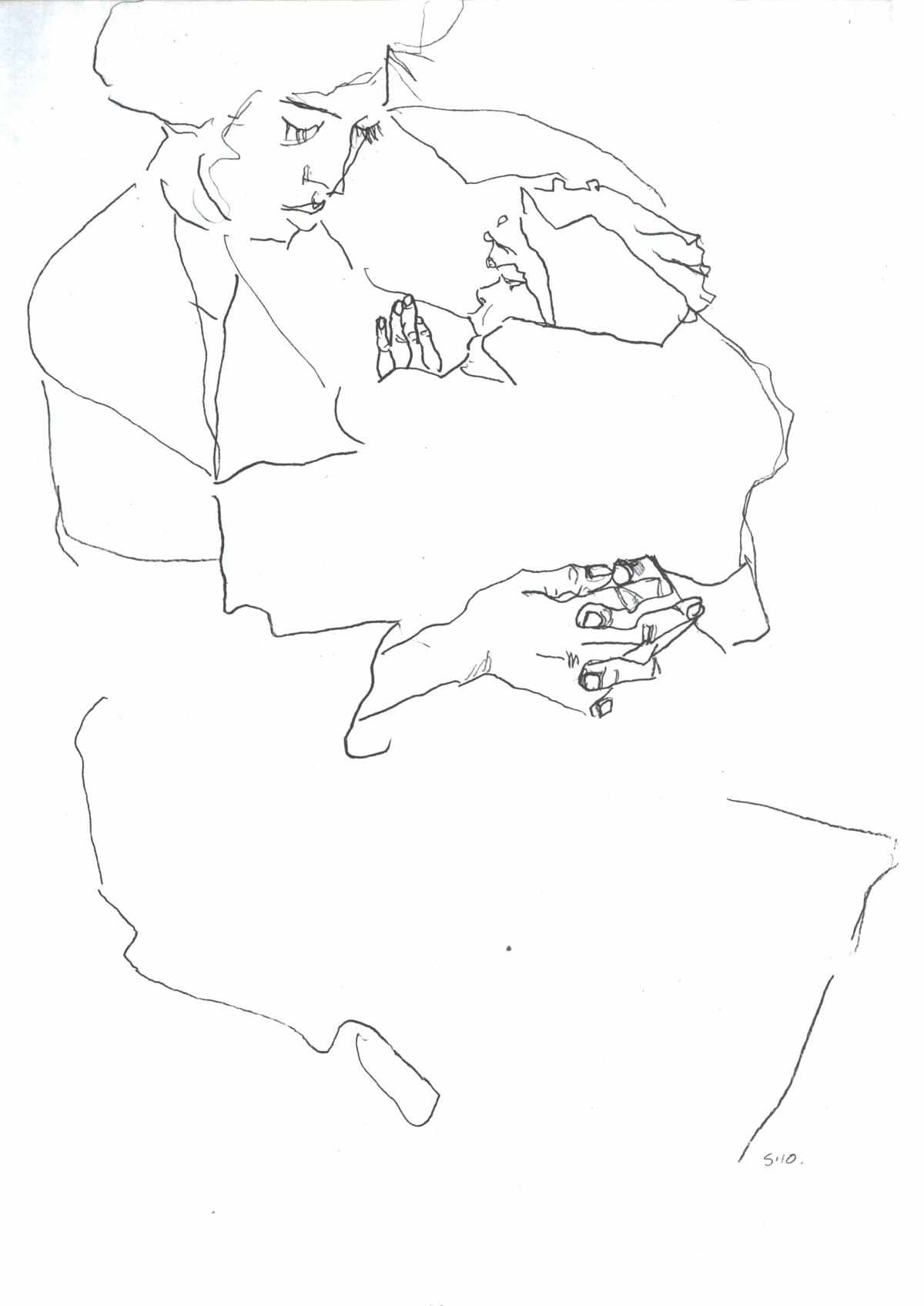 Contour drawing
Contour drawing is an art technique in which the artist sketches the style of the subject by drawing lines that result in a drawing that is essentially an outline (the French word contour meaning "outline"). The purpose of contour drawing is to empha...
Beyond mere shape, hatching is the primary tool for simulating the tactile world. An artist uses varying line qualities to mimic the specific textures of different materials. Imagine the difference between the smooth, reflective surface of polished marble and the rough, absorbent quality of heavy wool; through the subtle variation of line length, angle, and pressure, an artist can communicate these sensations to the viewer without ever using a drop of color. This is where the technique becomes truly expressive, moving beyond technical precision into the realm of sensory experience.
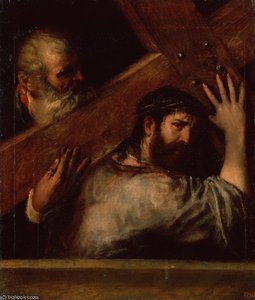
The interplay of light and shadow—the chiaroscuro effect—is also heavily dependent on these layered marks. By layering different directions of hatching, artists create deep, velvety shadows that provide a dramatic contrast to brightly lit areas. This creates a sense of atmosphere and mood, whether it be the soft, diffused light of a landscape or the sharp, theatrical lighting of a portrait. The ability to control tone through line density allows for a sophisticated rendering of light that feels organic and alive.
The Modern Legacy: From Classical Engravings to Contemporary Expressive Depth
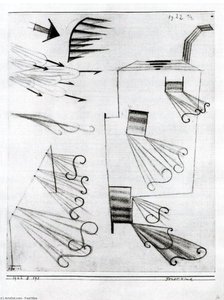 Fire Wind 1
A Dance of Flame and Form: Unveiling “Fire Wind 1” Paul Klee’s “Fire Wind 1,” a captivating black and white drawing, isn't merely an image; it’s a meticulously constructed exploration of energy, movement, and the very essence of mechanical process. C...
While the strict rules of hatching were perfected in the classical era, their influence remains profound in modern and contemporary art. We see echoes of this technique in the works of 20th-century masters like Wassily Kandinsky and Paul Klee. While they often moved toward abstraction, they continued to use the line as a fundamental building block of composition. In Klee’s work, for instance, hatching and cross-hatching are used to create remarkable textural depth, lending weight to seemingly abstract forms and suggesting movement within a mechanical or organic process.
Even in contemporary digital and graphic arts, the principles of hatching remain essential. The way we perceive depth in modern illustration or the rhythmic energy in an expressive sketch all stem from these ancient foundations. The technique has transitioned from a practical necessity for printmakers to a deliberate stylistic choice for artists seeking to imbue their work with character, texture, and a sense of historical continuity.
Bringing Technique Home: Choosing Textured Reproductions for Your Interior Space
For those looking to bring the sophistication of art history into their own homes, understanding these techniques offers a new way to appreciate decor. When selecting artwork, consider the tactile quality of the piece. At ArtsDot.com, we celebrate the soul of the artwork through our Handmade Oil Reproductions. Unlike flat, computer-printed posters, our hand-painted pieces on cotton canvas feature visible brushstrokes and a deeper tonal range that honors the original artist's use of texture and light.
Whether you are drawn to the dramatic shadows of a Renaissance-style portrait or the energetic lines of a modern sketch, choosing a piece with physical depth can transform a room. If you are looking to customize your space, our artists can even "remix" history, applying techniques like impasto or classical hatching to your personal photos. We invite you to explore our collections by color or mood, and if you ever feel uncertain, our Free Expert Art Consultations are here to help you find a masterpiece that resonates with your unique style.