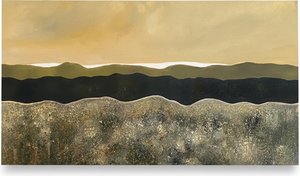
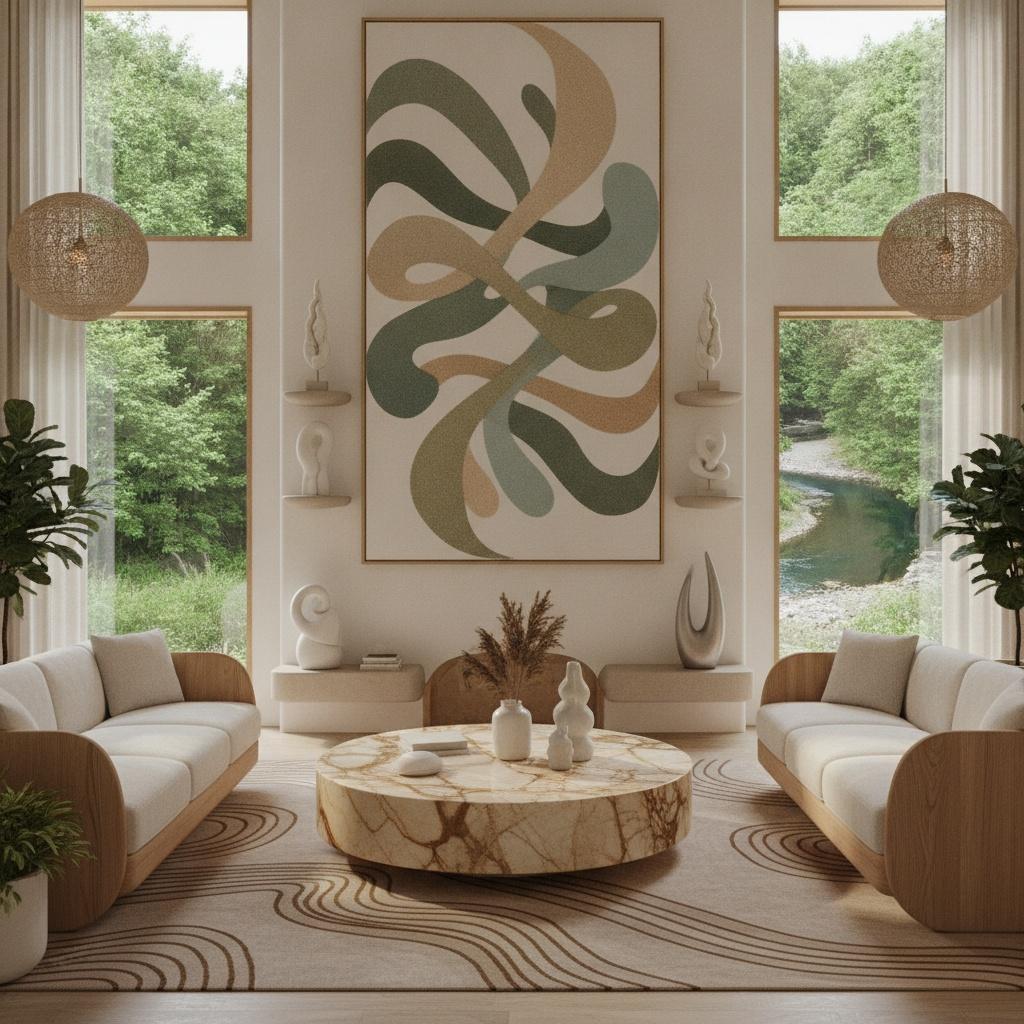
The Poetry of Curves: Understanding Organic Abstraction in the Home
 Organic Abstraction
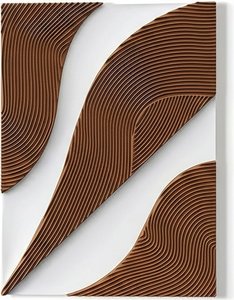
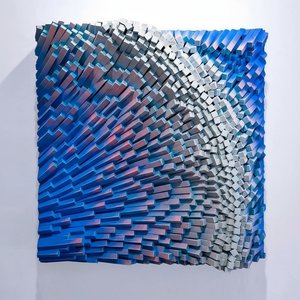
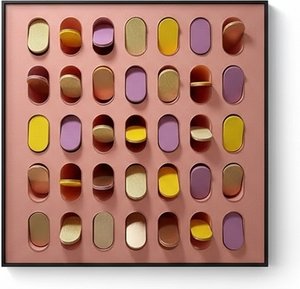
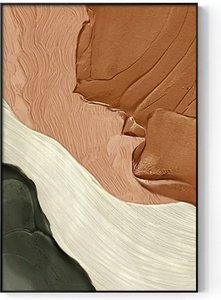
Organic Abstraction is an artistic style characterized by "the use of rounded or wavy abstract forms based on what one finds in nature." It takes its cues from rhythmic forms found in nature, both small scale, as in the structures of small-growth lea...
To step into a room adorned with organic abstraction is to experience a profound shift in atmosphere, moving away from the rigid, often taxing geometry of modern life toward something far more primal and soothing. At its heart, this style celebrates the rhythmic, undulating forms found throughout the natural world—the soft curve of a nautilus shell, the delicate veins of a leaf, or the sweeping movement of wind across a dune. Unlike the sharp, uncompromising edges of traditional minimalism, organic abstraction invites the eye to wander, tracing paths that feel as intuitive as breathing. It is an art of connection, bridging the gap between our structured indoor environments and the wild, flowing energy of the earth.
This movement finds its strength in what artists call biomorphic shapes—forms that suggest life without strictly mimicking it. When we introduce these rounded, wavy elements into a living space, we are not merely decorating; we are composing a visual dialogue with nature itself. For the decorator seeking to infuse a home with soul, understanding this fluidity is the first step toward creating a sanctuary that feels both sophisticated and deeply grounded. It is about finding beauty in the imperfect, the asymmetrical, and the continuous flow of life.
Biomorphic Beauty: How Soft Shapes Create Visual Serenity
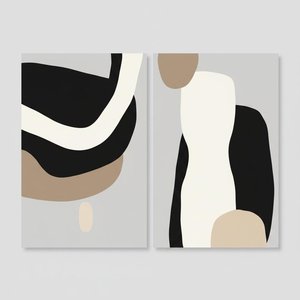 Monolithic Serenity: A Biomorphic Diptych of Fluid Charcoal and Ethereal Cream Forms
A Vision of Neo-Abstract Serenity Experience the profound stillness of Monolithic Serenity: A Biomorphic Diptych of Fluid Charcoal and Ethereal Cream Forms . This breathtaking Neo-Abstract composition offers a fresh, modern perspective on organic abs...
There is a silent, restorative power in the way biomorphic shapes interact with light and space. In an era where our digital lives are often defined by pixels and sharp-edged screens, the presence of soft, cellular, or topographical forms offers a much-needed visual respite. Consider the impact of a piece like Laurent Fabre’s Ethereal Flow; through its rhythmic interplay of charcoal masses and sweeping white strokes, it creates a hypnotic calm that settles the mind. These shapes do not demand attention with loud, jarring interruptions; instead, they whisper, inviting a meditative state of being.
In interior design, these forms act as visual anchors of peace. By utilizing shapes that evoke the musculature of the body or the structural elegance of honeycombs, we tap into a collective psychological comfort. This is why biomorphic abstraction is so effective in bedrooms, reading nooks, or quiet lounges. The absence of harsh angles reduces visual tension, allowing the inhabitant to surrender to the atmosphere. It is a design philosophy that prioritizes emotional well-being, using the language of nature to foster an environment of unparalleled serenity.
Earth & Ether: Curating Color Palettes Inspired by Natural Landscapes
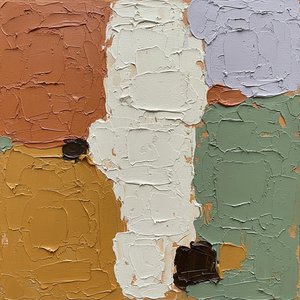 Monolithic Earth Tones: A Sculptural Study in Tactile Organic Abstraction and Stability
A Vision of Grounded Abstraction Monolithic Earth Tones: A Sculptural Study in Tactile Organic Abstraction and Stability is a profound exploration of weight, texture, and primordial balance. This Neo-Abstract masterpiece emerges as a fresh, modern vi...
The true magic of organic decor lies in the marriage of form and color. To achieve true harmony, one must look toward the palettes that define our most tranquil landscapes. We often find ourselves drawn to the "monolithic earth tones"—the deep ochres, warm terracottas, and muted sages that evoke the monumental stillness of a canyon or a forest floor. These colors provide a sense of stability and weight, acting as a foundation upon which more ethereal elements can dance. When paired with the "ether" of the palette—soft creams, misty blues, or translucent whites—the result is a balanced composition that feels both grounded and airy.
A masterfully curated space might feature a heavy, impasto-style painting where thick ridges of pigment create a literal topography of color. Imagine a room where a large-scale canvas utilizes the deep, velvety shadows of charcoal alongside the warmth of medium-brown tones, much like the works of Robert Organ. This interplay creates depth and dimension, preventing a room from feeling flat or sterile. By selecting colors that mirror the subtle poetry of everyday existence—the dappified sunlight through trees or the shifting mists of a morning landscape—we bring the outdoors in, creating a seamless transition between our dwellings and the natural world.
From Canvas to Living Space: Integrating Multi-Panel Art for Architectural Flow
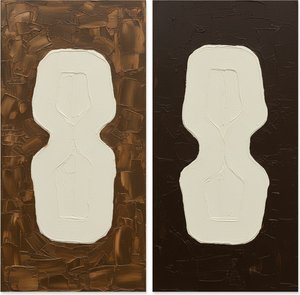 Dualities of Earth and Shadow: A Monumental Impasto Biomorphic Diptych
A Vision of Primal Balance Dualities of Earth and Shadow: A Monumental Impasto Biomorphic Diptych is a breathtaking exploration of contrast, stability, and organic form. This Neo-Abstract masterpiece presents a profound dialogue between light and dep...
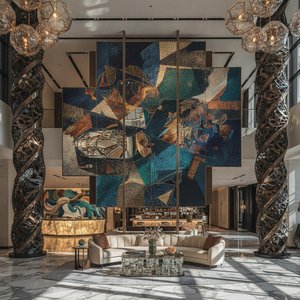
For the professional decorator tackling expansive walls or grand staircases, the "multi-panel" trend offers an extraordinary opportunity to manipulate the perceived architecture of a room. Splitting a single organic composition across three, four, or even five panels allows the artwork to breathe and expand, much like a mural. This technique is particularly effective for maintaining the continuous flow of biomorphic shapes across a wide surface, ensuring that the eye perceives a unified, rhythmic movement rather than fragmented segments.
When these panels are installed with precision, they create a sense of structural intention. The artwork becomes part of the room's very bones, guiding the viewer’s gaze through the space. This is not merely about filling a void; it is about using art to define the boundaries and the energy of an architectural feature. Whether it is a triptych that wraps around a corner or a large-scale set that anchors a dining hall, the seamless flow of color and brushstroke across every panel ensures a cohesive, modern look that feels both monumental and intimately connected to the room's design.
Tactile Tranquility: The Emotional Impact of Impasto and Texture
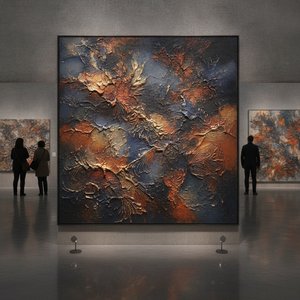 Top 25 Masterpieces by Christian Noiret: A Journey Through Abstract Texture and Light
Introduction To step into the world of Christian Noiret is to abandon the safety of recognizable forms and surrender to a profound, silent dialogue between light and matter. As one wanders through his most significant works, one does not merely obser...
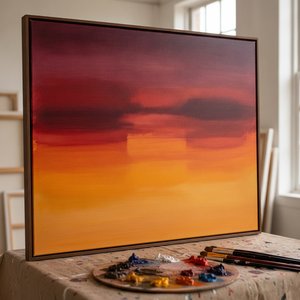
Beyond what we see, there is the profound importance of what we feel through our eyes. In the realm of organic abstraction, texture is a primary protagonist. The use of heavy impasto—where paint is applied in thick, sculptural layers—transforms a flat canvas into a living, breathing entity. When light catches the raised ridges of a palette knife stroke or disappears into a deep, velvety shadow, it creates a visceral encounter with the essence of matter. This tactile quality is essential for achieving "tactile tranquility," as it adds a layer of sensory richness that smooth prints simply cannot replicate.
This physical depth invites touch and contemplation. A painting with visible, energetic brushstrokes or thick, interlocking organic shapes provides a sense of permanence and craftsmanship. It reminds us of the human hand behind the art, adding a soulful warmth to even the most modern, minimalist interiors. By choosing works that celebrate texture—where the pigment itself becomes a landscape of peaks and valleys—we introduce a sense of "monolithic" stability and primordial balance into our homes, making the space feel more substantial and enduring.
Designing with Intention: Expert Tips for Balancing Organic Art in Modern Interiors
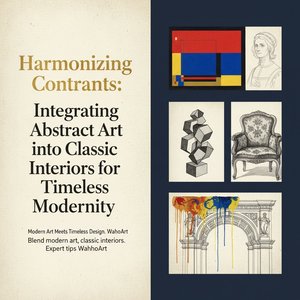 Harmonizing Contrasts: Integrating Abstract Art into Classic Interiors for Timeless Modernity
The Enduring Appeal of Classic Interiors: Why Abstract Art Complements Timeless Design Harmonizing Eras: Classical & Modern Art for Timeless Interiors Explore the art of blending classical & modern aesthetics for timeless interiors. Discover key arti...
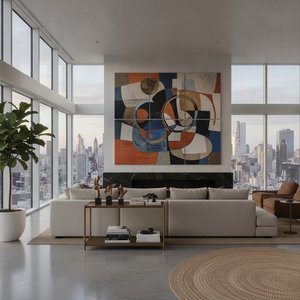
Achieving a perfect balance between organic fluidity and modern structure requires a thoughtful approach to design elements like line, shape, and space. To avoid overwhelming a room, consider using organic art as a focal point rather than an all-encompassing theme. A single, large-scale biomorphic piece can command the atmosphere of a room, acting as a "window" into another world, while more subtle, smaller pieces can be used to echo those curves in secondary areas.
When working with clients or decorating your own sanctuary, remember these guiding principles:
- Contrast with Structure: Use the softness of organic forms to balance out the straight lines of modern furniture and architectural features.
- Layer Your Textures: Pair a heavy impasto painting with smooth materials like glass or polished stone to highlight the artwork's tactile depth.
- Coordinate via Color: Use the earth tones within your art to inform your textile choices, such as rugs, cushions, and drapery, for a cohesive "vibe."
- Embrace Scale: Don't be afraid of large-format works; a significant piece can create a sense of "monumental stillness" that anchors an entire room.
Ultimately, decorating with nature’s flow is about creating a space that breathes. It is an invitation to slow down, to observe the subtle dance of light and shadow, and to find harmony in the beautiful, unscripted rhythms of the natural world.
Discover more inspiration and transform your space with our curated collections at ArtsDot.com. Whether you are seeking a hand-painted oil reproduction or a custom commission that turns your personal memories into masterpieces, we are here to help you find art that speaks to your soul.