The Soul of the Tesserae: Defining the Ancient Art of Mosaic
 Mosaic
A mosaic () is a pattern or image made of small regular or irregular pieces of colored stone, glass or ceramic, held in place by plaster/mortar, and covering a surface. Mosaics are often used as floor and wall decoration, and were particularly popula...
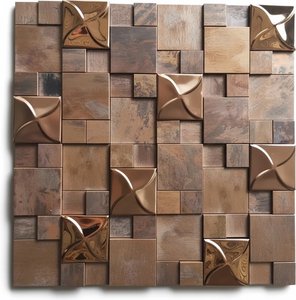
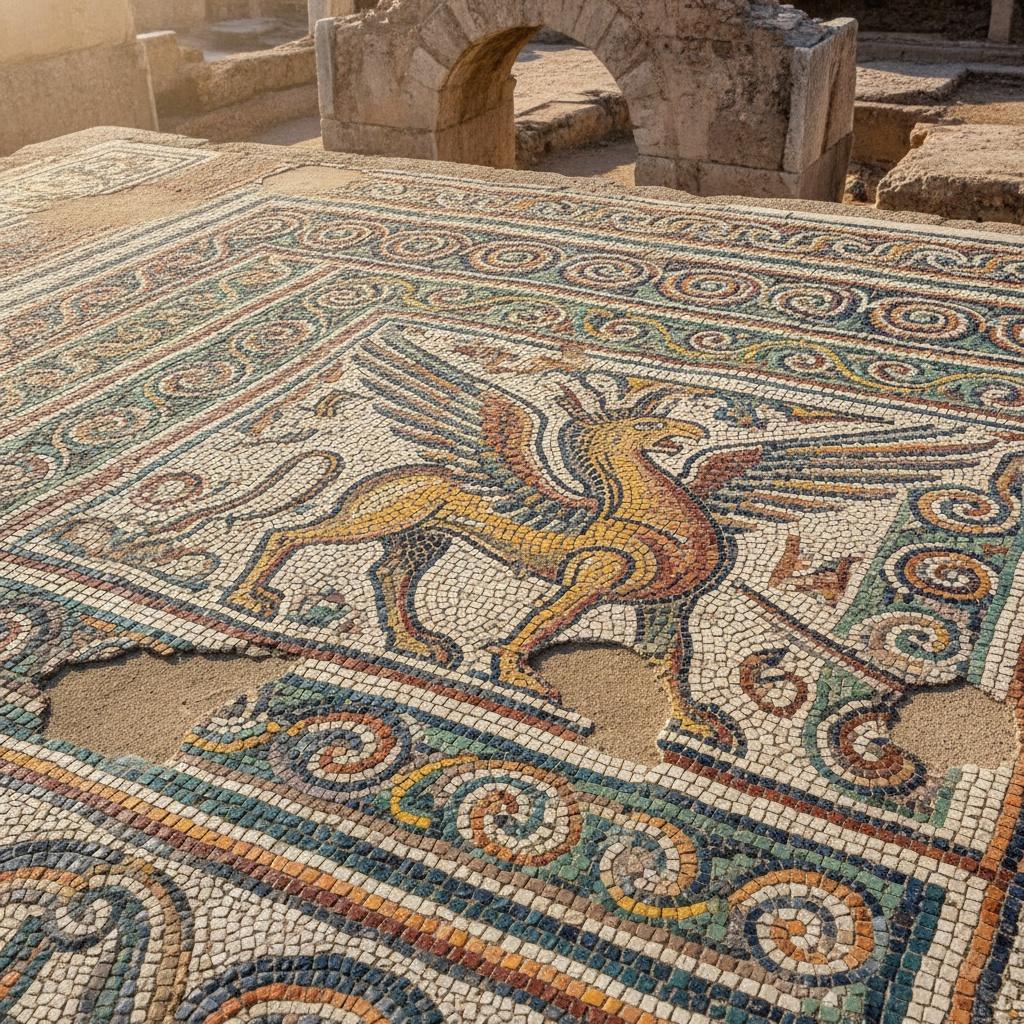
To understand a mosaic is to appreciate the profound beauty found in fragmentation. At its most fundamental level, a mosaic is a rhythmic pattern or a breathtaking image composed of small, regular, or irregular pieces known as
tesserae. These tiny fragments—whether they be colored stone, shimmering glass, or earthy ceramic—are held in place by plaster or mortar to create a surface that breathes with texture and light. Unlike the smooth, singular plane of a fresco, a mosaic possesses a tactile soul; it is an art form built piece by piece, where every individual element contributes to a larger, cohesive narrative.
This medium has long been celebrated for its durability and its ability to transform ordinary surfaces into extraordinary windows of storytelling. Whether adorning a grand floor in a Roman villa or decorating the soaring walls of a sacred basilica, mosaics offer a depth that transcends mere decoration. They invite the viewer to linger, to trace the edges of each stone, and to marvel at how disparate fragments can coalesce into a singular, breathtaking vision of reality or myth.
A Journey Through Time: From Mesopotamian Origins to Roman Grandeur
 Alexander Mosaic
The Alexander Mosaic, also known as the Battle of Issus Mosaic, is a Roman floor mosaic originally from the House of the Faun in Pompeii, Italy. It is typically dated between c. 120 and 100 BC and depicts a battle between the armies of Alexander the ...
The history of mosaic is as enduring as the stones from which it is crafted. Its lineage stretches back to the third millennium BC in Mesopotamia, where the earliest iterations began to take shape. In the ancient world of Mycenaean Greece, we find the charming simplicity of pebble mosaics, such as those found in Tiryns, which utilized natural river stones to create primitive yet striking patterns. As civilization progressed, so too did the complexity of the craft.
The Roman era marked a golden age for mosaic artistry, particularly in the realm of floor decoration. These works were not merely functional pavements but grand canvases of historical and mythological importance. A quintessential example is the
Alexander Mosaic, discovered in the House of the
Faun in Pompeii. This masterpiece, depicting the intense battle between Alexander the Great and Darius III, showcases a sophisticated blend of Italic, Hellenistic, and Roman traditions. Through meticulous detail and a masterful use of color, Roman artisans could capture the raw emotion of combat and the intricate textures of armor, proving that even a floor could serve as a profound medium for epic storytelling. Similarly, works like the
Nile Mosaic of Palestrina reveal the Roman fascination with exoticism, bringing the lush, distant landscapes of Egypt into the heart of the Italian home.
Divine Radiance: The Golden Splendor of Byzantine Masterpieces
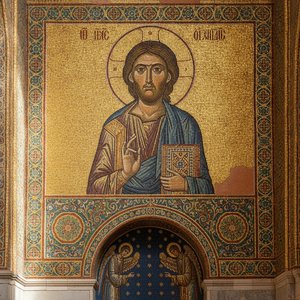 Byzantine Art Unveiled: The Divine Radiance of Golden Mosaics and Sacred Iconography
A Portal to the Divine: Entering the Luminous World of Byzantium Byzantine Art: The Golden Era of Bold Icons, Divine Mosaics, and Imperial Grandeur The Golden Standard: Gold, Light, and the Visual Power of Byzantine Mosaics To step into a Byzantine s...
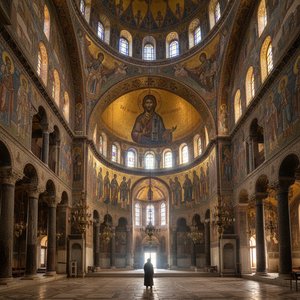
As we transition from the classical era to the Byzantine Empire, the mosaic undergoes a spiritual metamorphosis. In the hands of Byzantine artisans, the medium moved from the floor to the walls and ceilings, reaching toward the heavens. To step into a Byzantine space is to perform an act of transcendence; it is to leave the heavy, mundane world behind and enter a realm of pure, unadulterated radiance. This was achieved through the masterful use of gold—a material that functioned not merely as a luxury pigment but as a medium of light itself.
The Byzantine aesthetic was fundamentally preoccupied with the metaphysical. By setting glass
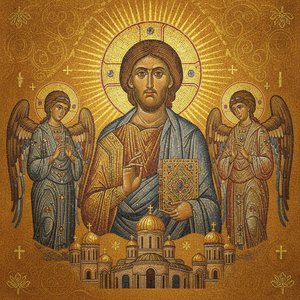
tesserae at slight angles, artisans ensured that when candlelight or sunlight hit the uneven surfaces, the walls would appear to shimmer and pulse with divine energy. This "alchemy of light" is most evident in the sacred iconography of the era, such as the
Deesis by Jacopo Torriti, where intricate gold and blue tesserae create a window into the eternal. In cities like Ravenna, the legacy of this golden era remains palpable. Within the
Galleria dell'Accademia, one can witness how these luminous mosaics were designed to overwhelm the senses, creating a visual language of power, devotion, and imperial grandeur that continues to inspire awe centuries later.
Innovation in Detail: The Technical Evolution from Pebble to Pre-fabrication
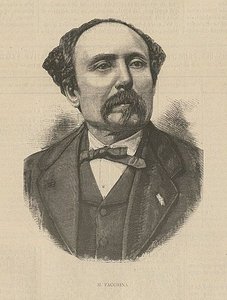 Giandomenico Facchina
A Legacy in Tesserae: The Life and Innovations of Giandomenico Facchina Giandomenico Facchina, born in 1826 in the small Italian town of Sequals, nestled within what was then the Lombard-Venetian Kingdom, emerged as a pivotal figure in the world of m...
While the essence of mosaic remained rooted in tradition, the technique behind its creation has been marked by brilliant periods of innovation. For much of history, the process was incredibly labor-intensive, requiring artisans to work directly on-site, piece by piece, under challenging conditions. However, the 19th century brought a revolutionary shift through the work of figures like
Giandomenico Facchina.
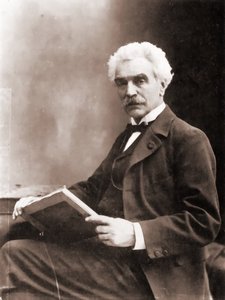
Born in the Lombard-Venetian Kingdom, Facchina was a pioneer who sought to democratize this revered medium. His profound understanding of mosaic construction, honed through the restoration of iconic sites like St. Mark’s Basilica in Venice, led him to develop a groundbreaking method of
prefabrication. By adhering tesserae onto flexible cardboard backings in a controlled workshop environment, entire sections of a mosaic could be created and then transported for rapid installation on freshly mortared walls. This innovation significantly reduced on-site labor and production costs, allowing the splendor of mosaic to reach new heights of accessibility without sacrificing the exquisite detail that defines the craft.
Modern Echoes: Bringing the Texture and Light of Mosaics into Contemporary Interiors
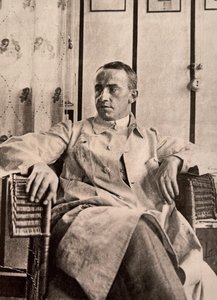 leopold forstner
A Luminary of Light: The Mosaic Art of Leopold Forstner Leopold Forstner, a name perhaps less immediately recognizable than some of his Viennese Secession contemporaries, nevertheless occupies a pivotal position in the development of early 20th-centu...
In our modern era, the spirit of the mosaic lives on, not just in ancient ruins but in the very fabric of contemporary interior design. We see its influence in the works of artists like
Leopold Forstner, who, during the Viennese Secession, elevated mosaic from a traditional technique to a sophisticated art form capable of expressing modern aesthetic ideals. The movement’s emphasis on geometric abstraction and the integration of art into everyday life has paved the way for us to reimagine these ancient textures in our own homes.
Today, the allure of the mosaic lies in its ability to provide tactile depth and visual interest in an increasingly digital world. Whether through large-scale murals that mimic the grandeur of a Byzantine ceiling or smaller, curated accents that play with light and color, the mosaic aesthetic offers a way to ground a room in history. At
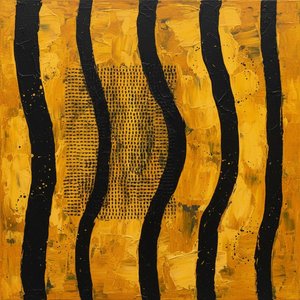
ArtsDot.com, we celebrate this enduring passion for texture. We invite you to explore how the "remixed" elements of art history—from the impasto brushstrokes of an oil painting to the fragmented beauty of a mosaic-inspired design—can transform a contemporary space into a meaningful sanctuary of discovery and timeless elegance.