
The Eternal Canvas: Art as a Living Archive of Human History
 Art history
Art history is an academic discipline devoted to the study of artistic production and visual culture throughout human history. Art historians use a historical method or a philosophy, such as historical materialism or critical theory, to analyze artwo...
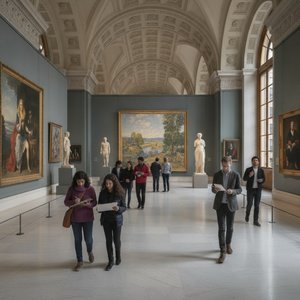
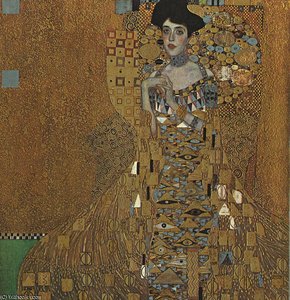
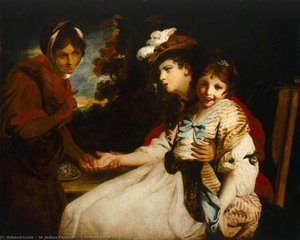
To walk through the halls of history is to move through a gallery of silent witnesses. Long before the invention of the camera, humanity sought ways to arrest the fleeting nature of time, grasping at the ephemeral threads of existence to weave them into something permanent. This impulse—to capture the essence of an era—is what transforms mere pigment and canvas into a living archive. When we look upon a masterpiece, we are not simply observing a scene; we and we are engaging in a profound dialogue with the past. Art serves as the ultimate vessel for collective memory, preserving the textures, the light, and the very soul of moments that would otherwise dissolve into the shadows of antiquity.
Every brushstroke carries the weight of its era’s consciousness. Whether it is the delicate, translucent glazes of a Renaissance oil painting or the bold, textured impasto of a modern landscape, these techniques provide a sensory bridge to bygone days. For the history lover, an artwork is more than decoration; it is a portal. It allows us to inhabit the atmosphere of a century long gone, feeling the tension of a political upheaval or the serene stillness of a forgotten afternoon. Through the meticulous preservation of visual culture, art ensures that the triumphs and tragedies of our ancestors remain vibrant, breathing, and accessible to every generation that follows.
From Portraits to Power: Capturing Identity and Political Legacy
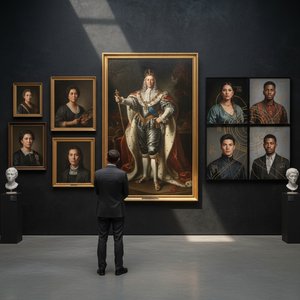 The Enduring Legacy of Formal Portraiture: Power, Identity & Artistic Exploration
The Genesis of Likeness: Portraiture in Antiquity and the Renaissance Wikipedia: Portrait painting Portrait painting is a genre in painting, where the intent is to represent a specific human subject. The term 'portrait painting' can also describe the...
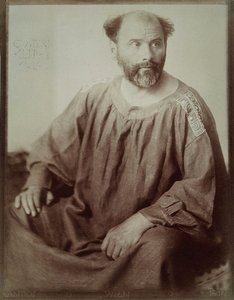
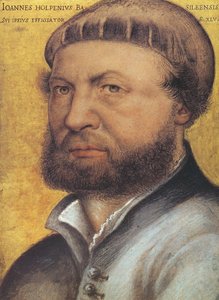
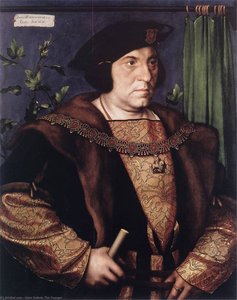
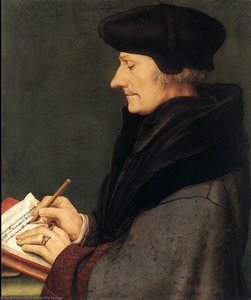
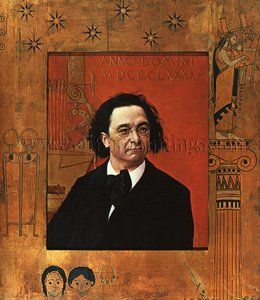
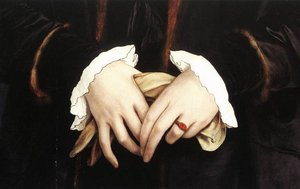
Throughout the ages, portraiture has functioned as much more than a simple record of facial features; it has been the original high-definition capture of power and identity. In the ancient world, from the idealized sculpted heads of Egypt to the realistic Roman busts, the intent was often to immortalize a lineage or assert an unshakeable authority. As we transitioned into the Renaissance, this practice underwent a breathtaking revolution. Driven by Humanist ideals, artists began to move beyond purely religious symbolism to celebrate the unique, individual agency of their subjects. A portrait became a complex language of status, where the heavy velvet of a sleeve or the inclusion of a specific book whispered tales of wealth, intellect, and social standing.
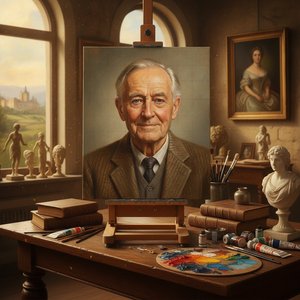
This era of portraiture was never just about vanity; it was a strategic tool for broadcasting presence. Consider the way a formal portrait can command a room, using light and shadow to sculpt an aura of dignity and command. Even in more recent centuries, artists like Joseph Bridge utilized subtle psychological insight to capture the quiet intensity of the Victorian era, proving that a face can hold an entire world of unspoken narrative. Today, we see this same desire for legacy reflected in our passion for custom commissions. The ability to transform a personal photograph into a 17th-century masterpiece in the style of Rembrandt allows us to participate in this ancient tradition, reclaiming our own place within the grand tapestry of human identity.
Commemorative Masterpieces: Translating Great Battles and Treaties into Visual Narratives
 Napoleonic War Dutch Plateelbakkerij Delft commemorative plate I
A Royal Chronicle in Blue and Red In the delicate dance of light upon glazed ceramic, one finds not merely an object of utility, but a profound historical narrative captured in clay. The Napoleonic War Dutch Plateelbakkerij Delft commemorative plate ...
There are moments in history so monumental that they demand a medium more enduring than words. Great battles, the signing of peace treaties, and the crowning of monarchs require a visual grandeur that can communicate the sheer scale of their impact. We see this beautifully realized in the exquisite Dutch Plateelbakkerij Delft commemorative plates. These are not merely objects of utility; they are royal chronicles rendered in cobalt blue and vibrant red. One such piece commemorates the Battle of Waterloo, meticulously detailing the roles of legendary figures like the Duke of Wellington and Prince Blücher. Through the delicate dance of light upon glazed ceramic, a moment of profound geopolitical shift is frozen in time, accessible to anyone who gazcepts its artistry.
Such commemorations often extend beyond the battlefield to celebrate the establishment of lasting peace and diplomacy. The artistry found in pieces celebrating the opening of the Peace Palace in The Hague demonstrates how art can anchor a sense of national resilience and international cooperation. These works serve as much more than historical records; they are emotional anchors that remind us of the human cost and the eventual triumph of stability. When we surround ourselves with such imagery, we are not just decorating a space; we are surrounding ourselves with the very milestones that have shaped our modern world.
The Texture of Time: How Artistic Mediums Preserve the Atmosphere of an Era
 Painting
Painting is a visual art, characterized by the practice of applying paint, pigment, color, or other medium to a solid surface. The medium is commonly applied to the base with a brush. Other implements, such as palette knives, sponges, airbrushes, the...
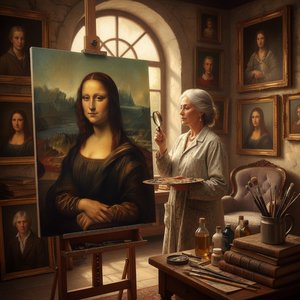
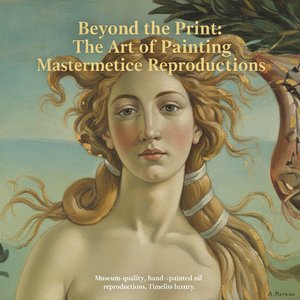
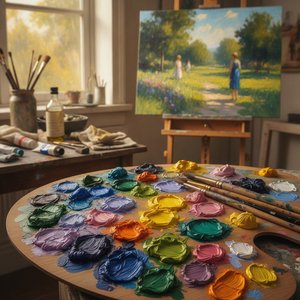
The true magic of historical art lies in its tactile reality—the way the medium itself contributes to the storytelling. To study the evolution of art is to witness a shift in how we perceive the physical world. In the hands of a master, the medium becomes an extension of the subject's emotion. The heavy, dramatic shadows of the Old Masters create a sense of gravity and mystery, while the light-drenched, impressionistic strokes of later periods evoke a sense of movement and fleeting beauty. This is why a hand-painted oil reproduction holds such a different resonance than a digital print; it is the visible brushstroke, the physical depth of the paint on 100% cotton canvas, that provides the "soul" of the piece.
Even the choice of materials speaks to the era's technological and cultural landscape. The use of flexible gesso and specific oils like safflower to prevent yellowing ensures that the vibrancy of a painting can endure for generations. When we encounter works that feature an optional aged or cracked finish, known as craquelure, we are seeing a deliberate nod to the passage of time itself. This texture allows us to feel the age of the piece, adding a layer of authenticity and reverence. By preserving these physical characteristics—the way light hits a raised ridge of paint or how deep tones settle into the canvas—we ensure that the atmosphere of the past remains as palpable today as it was when the artist first laid down their brush.
Modern Remixed: Reimagining Historical Grandeur for the Contemporary Home
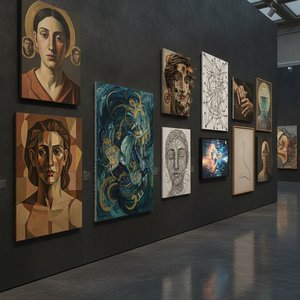 Beyond the Face: 10 Iconic Masterpieces That Redefine Portraiture
Introduction Step into the frame. Portraiture has never been just about capturing a likeness; it is about the raw, unfiltered energy of human identity. It is the original high-definition capture, long before pixels and sensors existed. From the heavy...
In our modern, fast-paced world, the challenge is often how to integrate this profound sense of history into a contemporary lifestyle without feeling overwhelmed by the weight of the past. This is where the concept of "remixing" art history becomes so incredibly exciting. We no longer have to choose between the sleekness of modern interior design and the soulful depth of classical art. Through innovative techniques, we can bring the grandeur of the Renaissance or the energy of the Impressionists into a modern living room, tailoring the aesthetic to fit our personal color palettes and room types.
Imagine transforming a contemporary family portrait into a sweeping, large-scale multi-panel work that flows across a wide wall, or requesting a "Period Shift" where a modern photograph is reimagined with the dramatic chiaroscuro of a Rembrandt. We can even utilize AI tools to reconstruct personal memories in the styles of Cubism or Surrealism, before having a human artist breathe life into them on real canvas. This intersection of technology and tradition allows us to curate spaces that are deeply personal yet historically resonant. By embracing these creative possibilities, we don't just decorate our homes; we build meaningful environments that celebrate both our unique present and the timeless beauty of our shared human history.
Discover your next historical connection at ArtsDot.com — where we help you bring the masterpieces of the past into the heart of your modern home.